From the “Holy Land of Folk” to the “Birthplace of Blues,” the legends who built the foundation of Korean popular music are returning. These are artists whose names alone represent entire genres of an era.
According to music industry sources on the 13th, the concert scene for May and June will see a succession of master musicians who shaped the golden age of Korean pop music. Leading the charge are Shinchon Blues, C’est Si Bon, and Han Young-ae.
Their return isn’t just a one-time event riding the retro wave. It is a testament to musical achievements honed over 40 to 50 years, setting a milestone as the “voice of an era” in today’s fragmented music market.
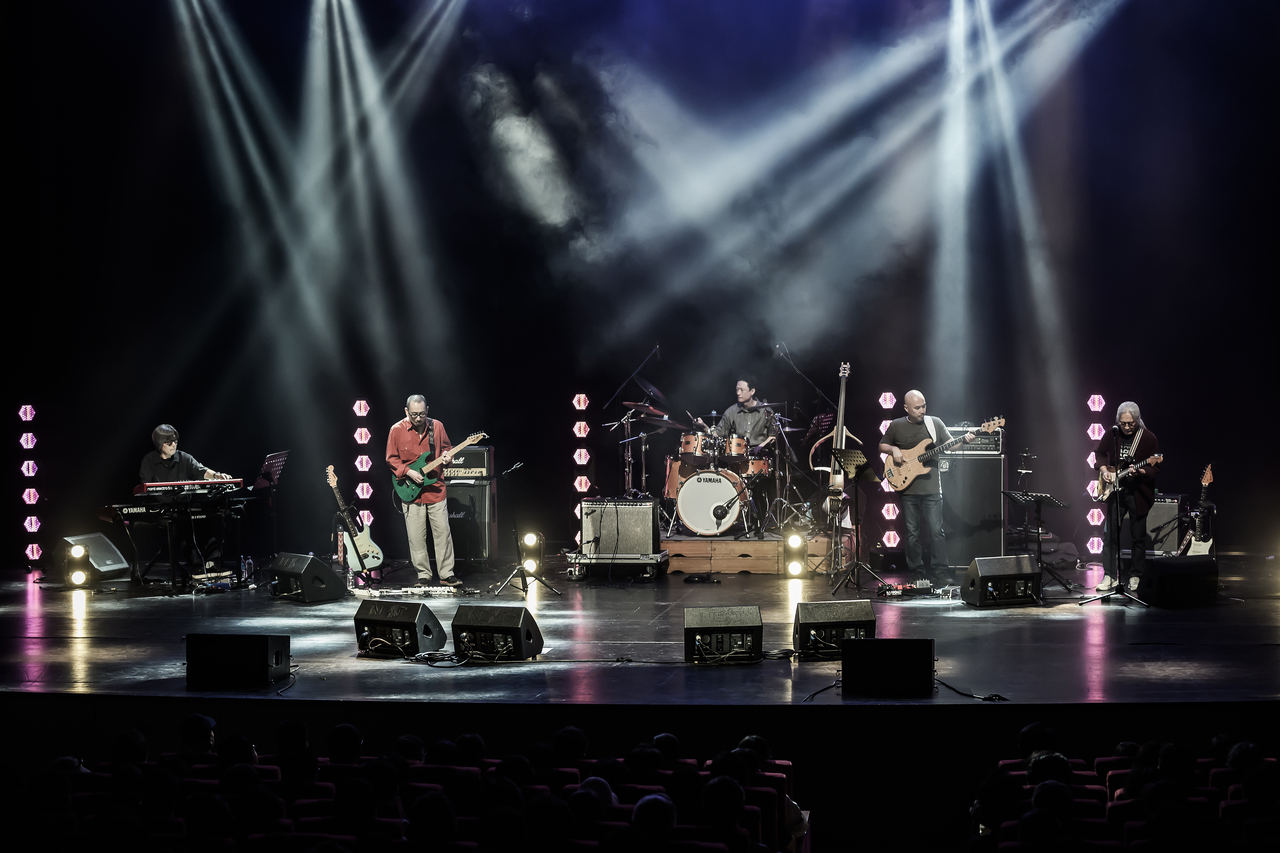
Shinchon Blues, which began in a small club in Shinchon in 1986, celebrates its 40th anniversary this year. This performance marks a new leap forward, serving as the starting point for the so-called “40+1” project.
The band started with the meeting of two giants, Um In-ho and Lee Jung-sun. They planted the seeds of a unique style called “Gayo Blues” in a land where the genre was previously nonexistent.
This band served as a “singer’s academy,” producing some of the most treasured voices in the industry, including Kim Hyun-sik, Han Young-ae, Lee Eun-mi, and Kang Huh-dal-lim. The small theater concert held on the 14th and 15th at Hongdae Space Brick will recreate that glory. Shinchon Blues’ ability to survive and bring the non-mainstream genre of blues into the mainstream over 40 years is a testament to the strength of Korean popular music.
A highlight is the addition of “Blues Diva” Kang Huh-dal-lim. She will showcase the essence of blues across generations through the duet “The Song You Gave Me,” released late last year with her mentor Um In-ho.
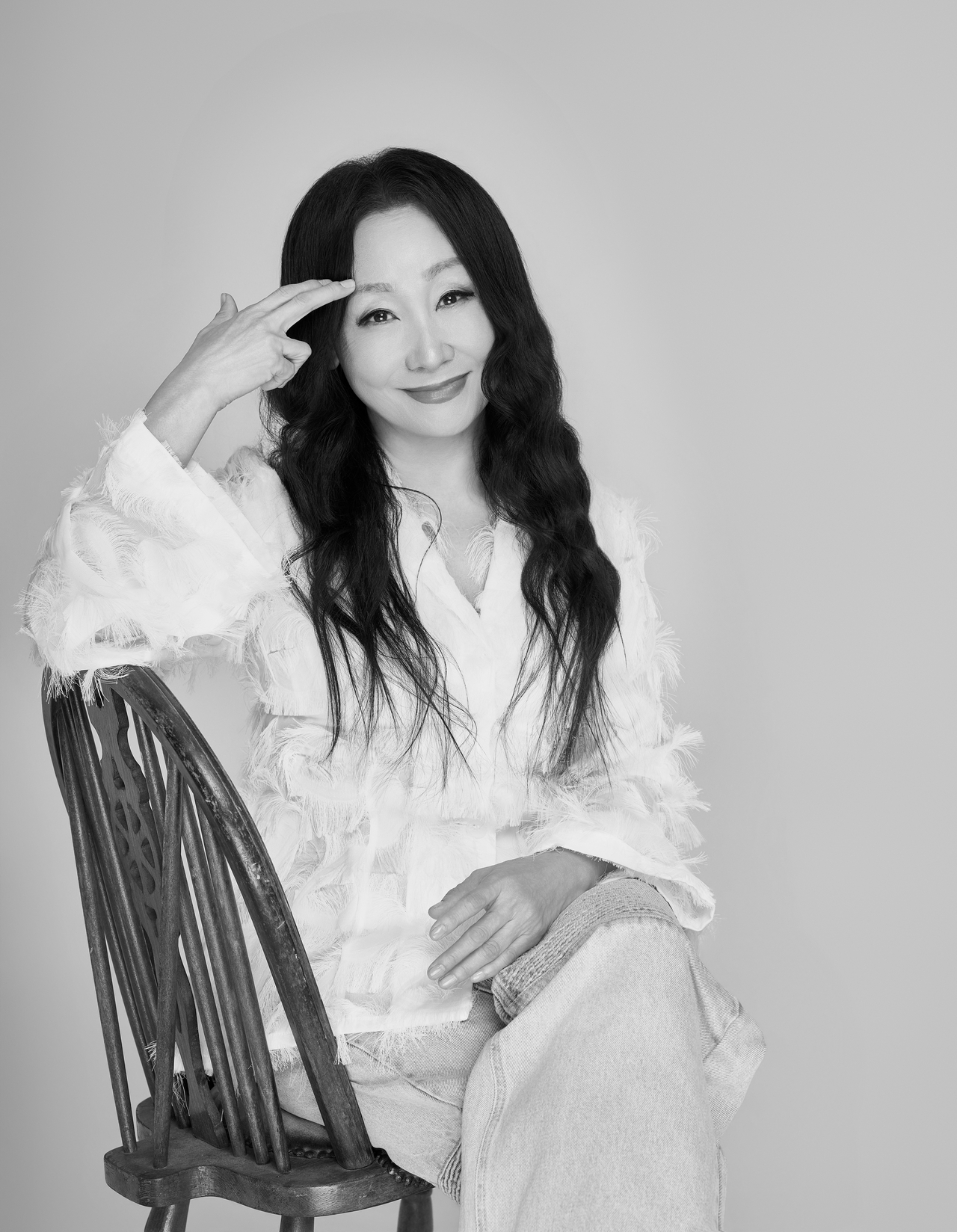
“I want to be a goblin-like witch full of mistakes.”
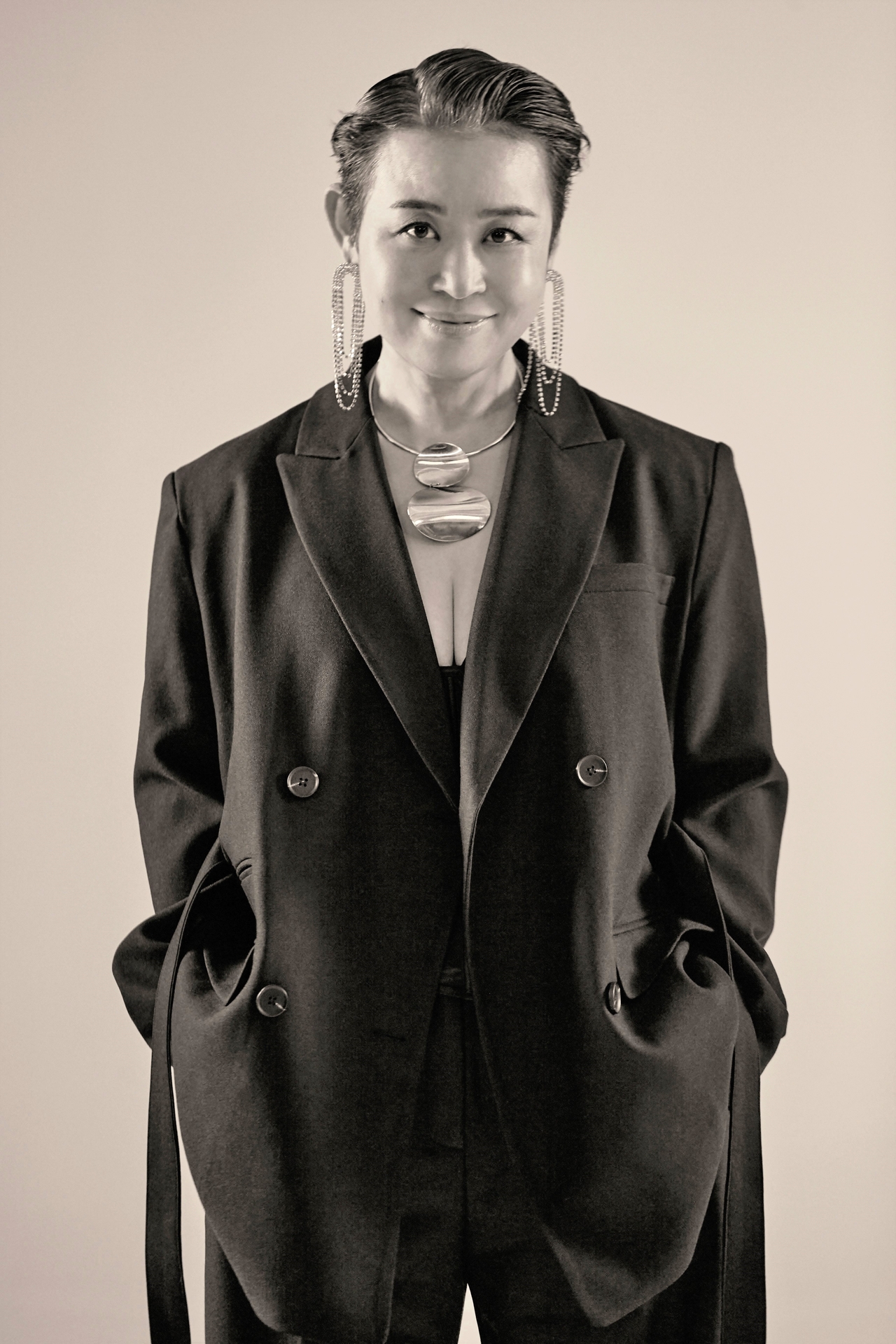
Starting with the folk group Haebaragi in 1976, then passing through Shinchon Blues to become an unrivaled solo artist, Han Young-ae is the “Witch of Sound” who pioneered Korean avant-garde by crossing genres like blues, rock, and electronica over the last half-century.
Starting June 13th at the Olympic Park Woori Financial Art Hall in Seoul, Han Young-ae will encompass 50 years of musical assets through a national tour.
Along with timeless hits like “Who’s There” and “Tuning,” she will boldly reinterpret songs by junior K-pop artists. This attempt proves why she is a “wizard of the present” who does not dwell in the past.
The core of this 50th-anniversary concert is the new song “SnowRain,” created in collaboration with Kim Tae-won of Boohwal. Kim Tae-won, who kept a promise made 10 years ago to provide a song, praised Han Young-ae as a “true artist.”
In a previous meeting with reporters, Han Young-ae confessed, “I’m still hungry for songs.” Saying she cannot yet answer the question, “Han Young-ae, have you sung to your heart’s content?” she continues her intense self-exploration as a vocalist, stating, “The stage is my only salvation.”
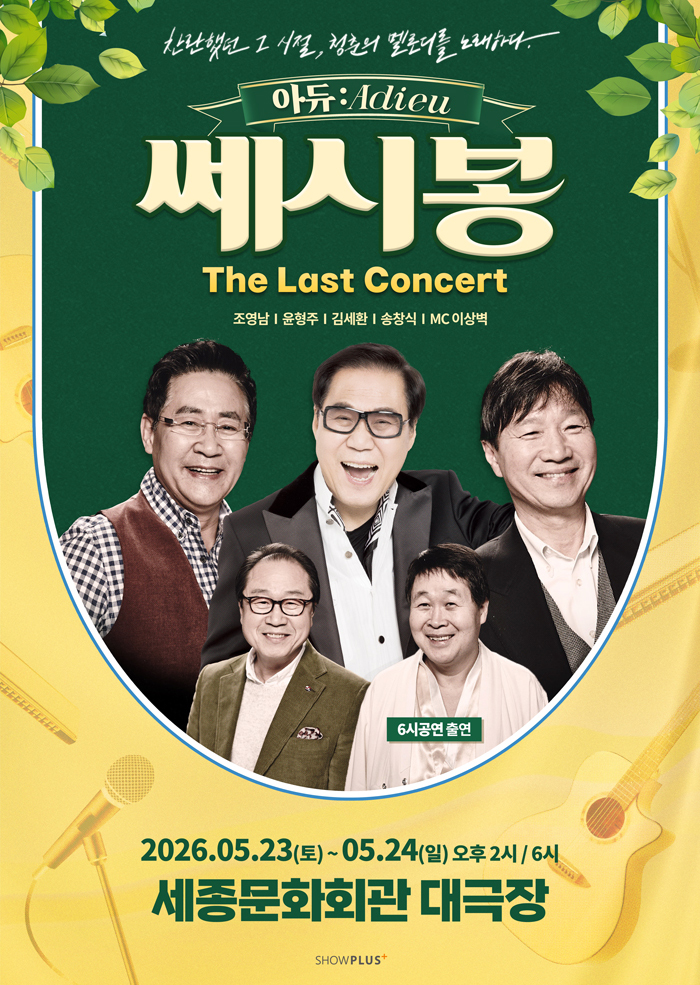
The key figures of C’est Si Bon, the birthplace of Korean folk music, are also arriving. This stage is a journey to find the “roots” of our popular music.
Cho Young-nam, Yoon Hyung-joo, Kim Se-hwan, and Song Chang-sik, who led the youth culture of the 1960s and 70s, were more than just singers; they were icons of an era who sang of freedom and romance.
Their musical achievement lies in grafting the aesthetics of “creation” and “harmony” into a music scene that relied heavily on cover songs. With just an acoustic guitar and sophisticated harmonies, they touched the hearts of the public. They pose a question about what “essential resonance” is to today’s music market, which is often buried in provocative sounds and flashy performances.
The members of C’est Si Bon plan to showcase their timeless harmony and talk-show style banter on stage. The performance on the 23rd and 24th will feature five original members: Cho Young-nam, Yoon Hyung-joo, Kim Se-hwan, Song Chang-sik, and Lee Sang-byeok.
A concert official hinted, “For the first time in C’est Si Bon’s performance history, all five original members, including official MC Lee Sang-byeok, will be on stage together for the last time. This is a farewell performance where the leaders of 1960s and 70s folk music join their fans.”