Recently, a promising rookie pitcher in Korean professional baseball struggled with control, leading to a series of walks that flipped the game. The fans’ reactions were split. While some were critical, others offered unconditional protection, saying things like, “Don’t bring our player down” or “Why are you doing this to such a young player?”
This trend of creating a “morale-boosting” atmosphere that rejects criticism is happening even in the professional world where performance is everything. And in the entertainment industry, it is even more intense.
Modern fandoms have evolved beyond simple supporters. They have become shields that “wash” a star’s moral failings and pressure groups that even make government administration difficult. Experts warn that this overprotection is actually becoming a “poison” that isolates the artists.
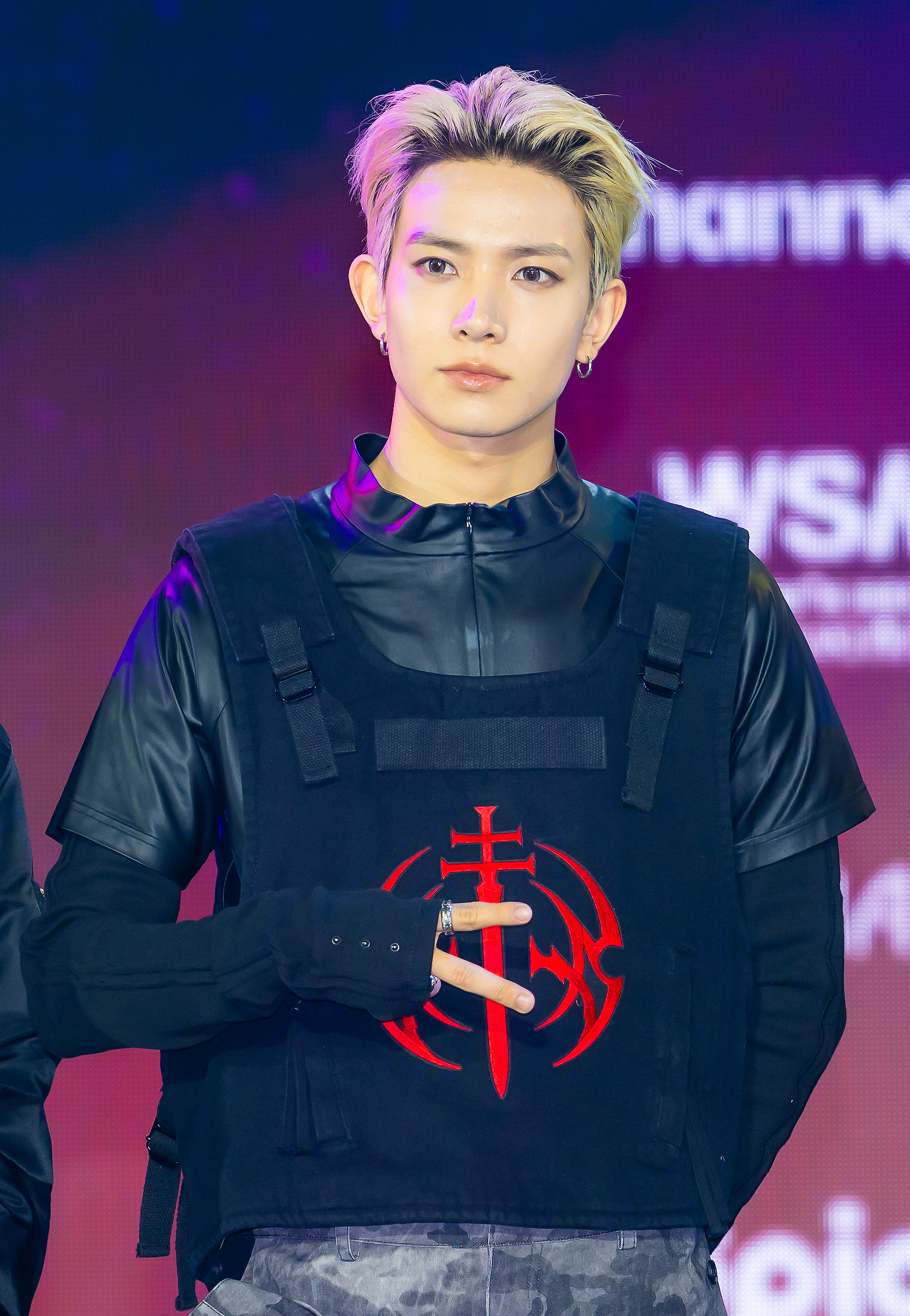
A unique example occurred last February involving the ENHYPEN fandom and the National Pension Service (NPS). After news broke about a specific member leaving the team for solo activities, some overseas fans unexpectedly directed their anger toward the NPS.
The situation became so intense that Kim Sung-joo, the Chairman of the NPS, had to step in. He expressed his bewilderment on social media, stating, “The International Pension Support Center was temporarily paralyzed due to a flood of overseas protest calls, and about 1,500 emails poured in within just two hours.”
The fandom used the fact that the NPS is a major shareholder of HYBE, the parent company, to argue that pressuring the pension service could prevent the member’s departure or influence management. However, the NPS does not interfere in the management or personnel issues of individual companies. Ultimately, this incident remains a prime example of wasting national administrative resources to express fan sentiment.
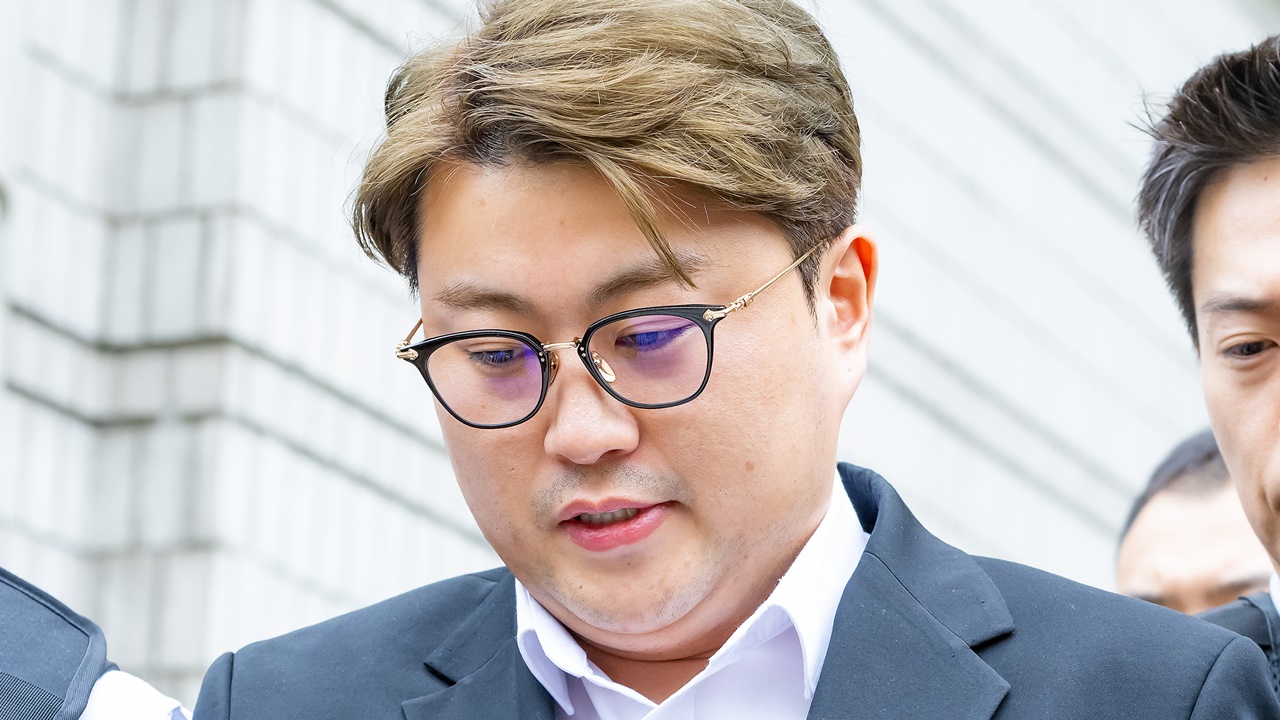
Fans of Kim Ho-joong reacted by saying, “He must have been so exhausted to act that way” or “Let’s overlook it because his talent is too precious.” Some even suggested he might be a “victim of political motives.” Furthermore, attempting to use Kim Ho-joong’s past donations as a “get-out-of-jail-free card” sparked a strong backlash from the general public.
The numerous petitions for leniency submitted to the court are criticized for acting as a “blind shield” for an artist who shows no remorse, robbing the star of the opportunity to objectively face their mistakes and reflect.
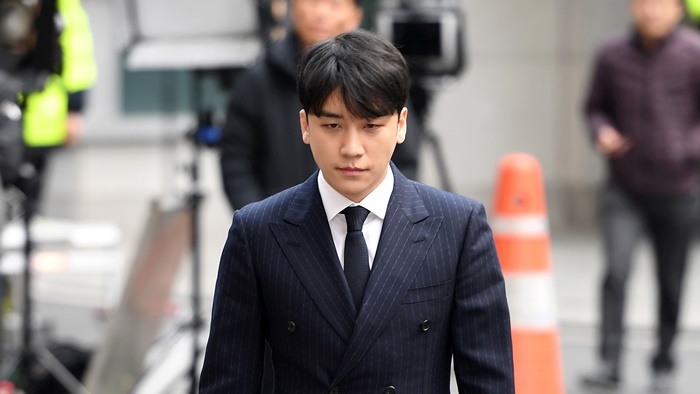
This behavior directly denies the universal ethical standards and legal rulings shared by our society. It shows that within the closed world of a fandom, a star’s mistakes are viewed as “trials” and public criticism is dismissed as “forced hate.” Stars growing up in this environment naturally become “spoiled” celebrities who are distanced from the general public.
Behind this overprotection lies a strange compensatory psychology, a desire to directly control the star’s private life and career. For instance, a member of a famous girl group was forced to post a handwritten apology after being pressured by angry fans’ truck protests.
Similarly, a member of a long-running famous boy group faced intense demands for removal and boycotts after announcing their marriage, which some fans labeled as “deceiving the fans.” This led to the member being effectively excluded from group activities for a long period. In other words, a fandom is a shield that protects the star, but it can also be a weapon that harms them. The industry saying, “A fan who turns their back is scarier than a hardcore anti,” clearly reveals the contradiction of fandoms. A healthy fandom should be an honest mirror reflecting the star, not a sycophant blocking their eyes and ears. Blind support intended to make a star the property of the fandom only results in public cynicism.
Stars should be social beings who grow and breathe alongside the public. The best way to truly care for a favorite artist is to remove the unconditional “yes-man” shield and help them evolve into a public figure who exerts a positive influence. Only when a healthy distance is maintained, where mistakes are pointed out and achievements are sincerely applauded, can a star truly stand tall as an artist.