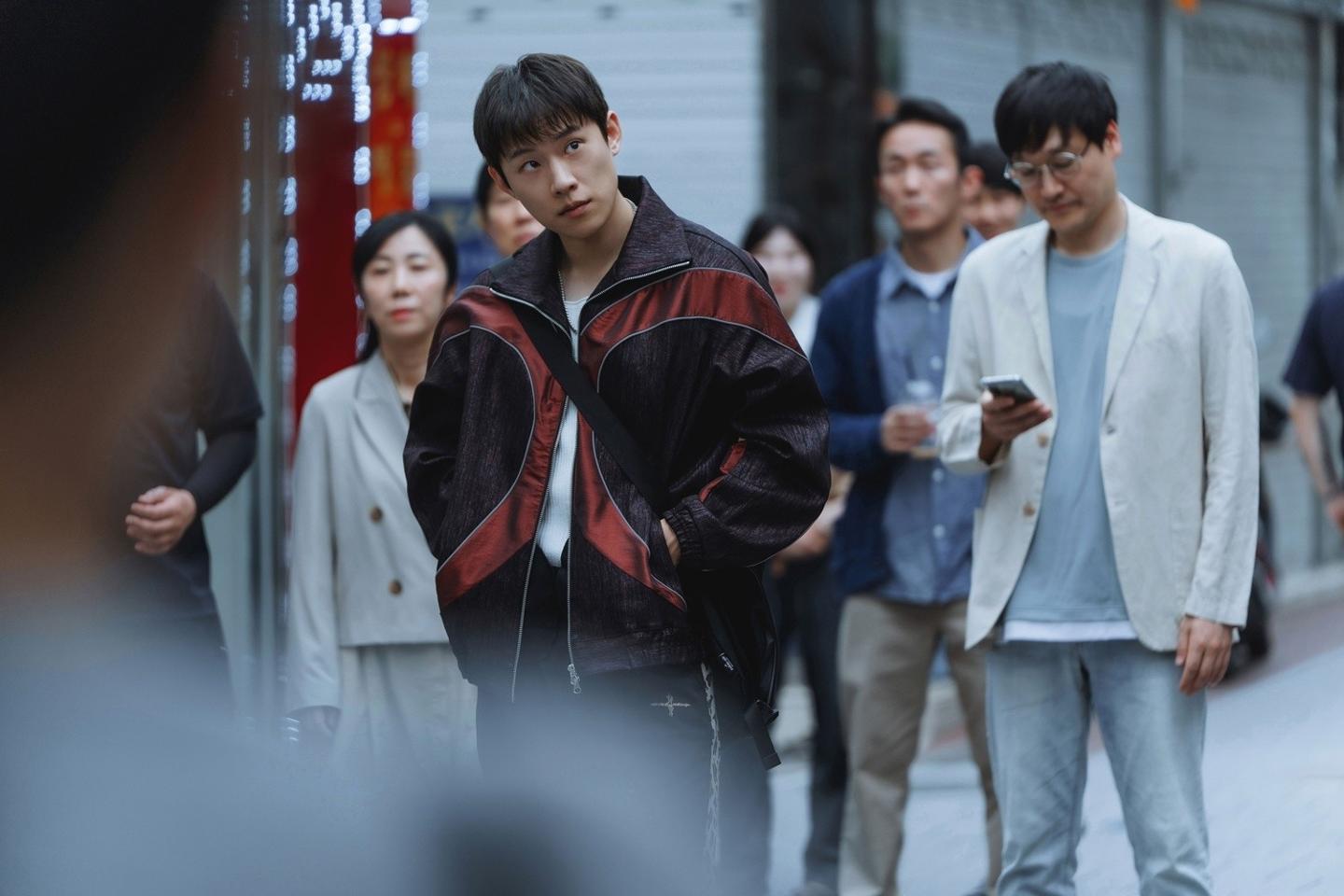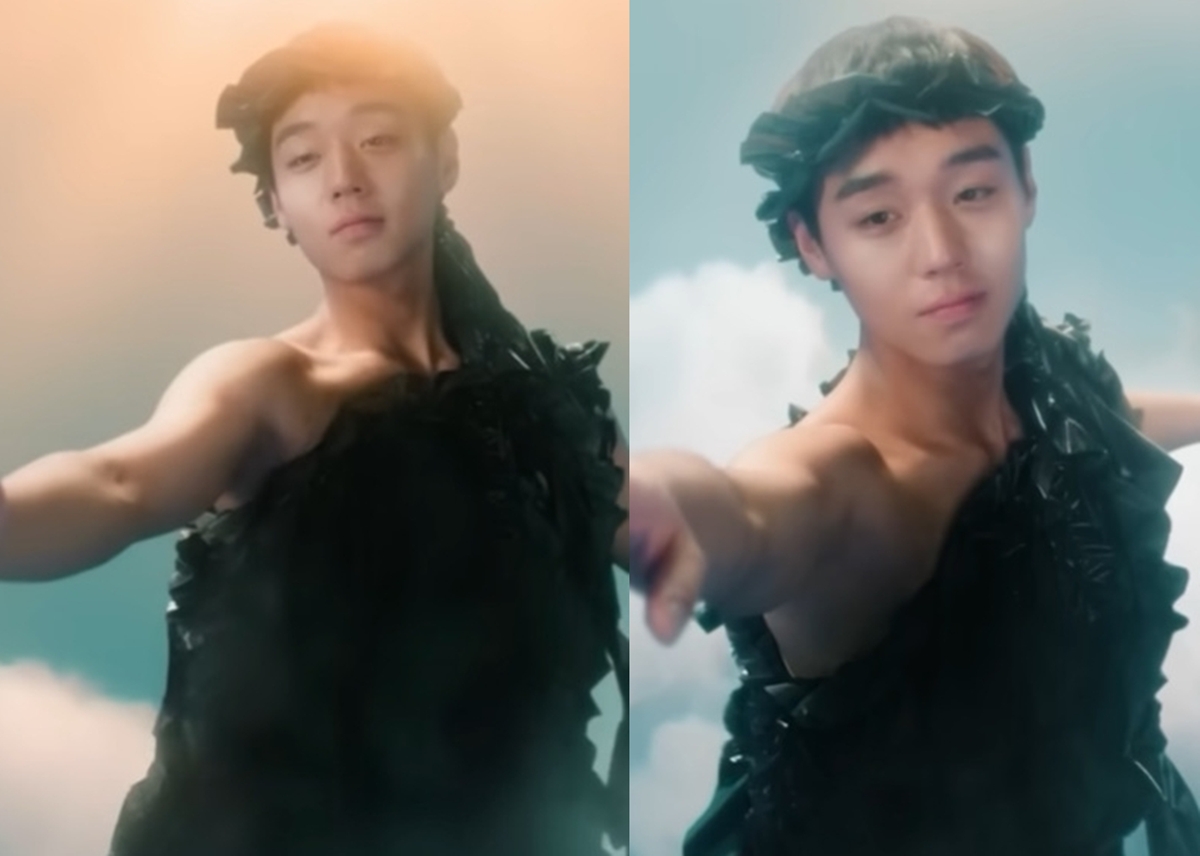
When May arrives, campuses buzz with excitement. As soon as the tension of midterms fades, conversations about this year’s Daedongje (University Festival) lineups fill the classrooms. Performance stages have now evolved beyond simple school events to become major public talking points.
However, many view these flashy stages with cynicism. Students, who should be the protagonists of the festival, lament that they cannot enjoy their own school’s event. Meanwhile, fans shake their heads, questioning why idols are sent to events where fans are actively discouraged from attending. The black market for tickets grows every year, and conflicts between student councils and outside fans continue to repeat.
From Indie Vibes to Idol Cheers: The Changing Face of May on Campus
University festival stages were once a gateway for indie bands and rookie singers. Bands that dominated the Hongdae indie scene would perform at open air theaters, mingling with students, and it was common for unknown singers to gain fans on these stages. However, after the 2010s, the landscape changed. Today, university festival lineups are packed with top tier idols who dominate music show charts.
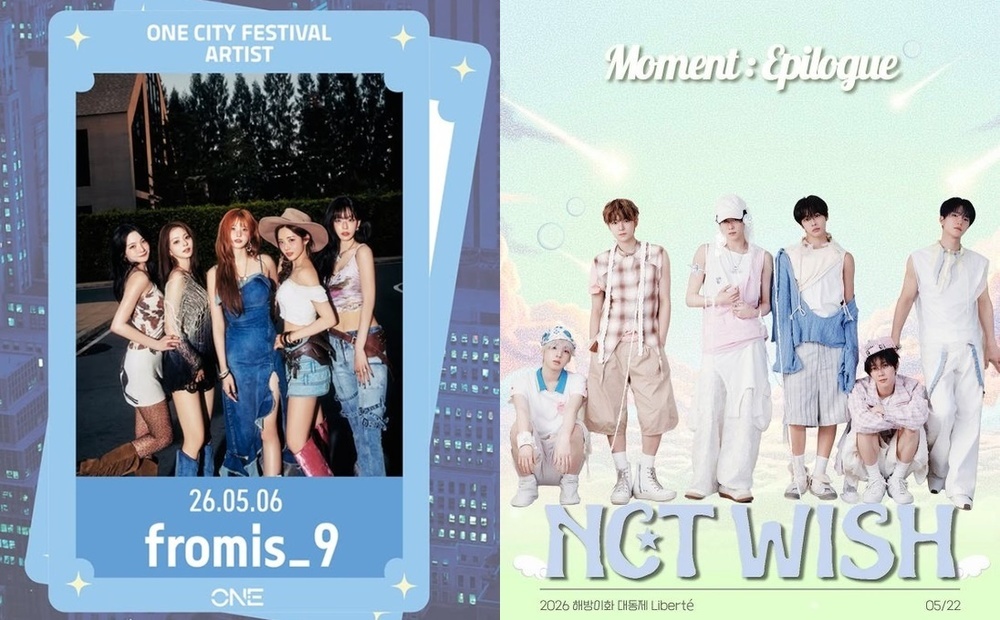
The 2026 university festival season is a prime example. On May 13, ILLIT and RIIZE performed at Soongsil University, and on the 22nd, NCT WISH was added to the lineup for Ewha Womans University’s Haebang Ewha Daedongje. RIIZE and triple S also graced the stage at Sogang University. RIIZE alone has been pulling off a virtual University Festival Tour, visiting multiple schools including Incheon University, Sogang University, and Hongik University. Psy is also expected to maintain his spot as the top requested artist, conducting his 26th May university festival tour this year.
Agencies no longer view university festivals as simple performances. They actively promote them by having idols wear the school’s varsity jackets on stage or by editing on site videos for YouTube and official SNS. University festival stages have begun to function as both content and a marketing tool.
Idols on Campus: Meeting New Fans in Varsity Jackets
Why do agencies want to send their idols to university festivals? The key is reaching a new audience. Concerts and general K pop events mostly attract existing fandoms or people already interested in K pop. In contrast, the primary audience at university festivals is the student body. Students who had little interest in idols may attend because it is a school event and end up becoming fans after seeing a performance. For agencies, this is a way to attract new fans at a much lower cost than a full concert.
In fact, EXO’s 2015 performance at Yonsei University’s Akaraka is still talked about today. Since then, aespa, NMIXX, and ILLIT have also created massive buzz whenever they hit the university stage. A fancam of ILLIT performing at Korea University’s Seoktap Daedongje last year flooded numerous online communities. As such, university festivals have become stages that bring significant visibility to both agencies and artists.
From the school’s perspective, recruiting famous idols is a clear incentive. In May, the Everytime community is abuzz with posts asking about this year’s lineup. Arguments break out over which school has the flashier lineup, and the result affects the school’s image. Becoming a school with a great lineup has become a promotional tool in itself.
The problem is that this competition has turned into a battle of money. Kyungpook National University and Pusan National University spent nearly half of their 300 million won festival budgets on the appearance fees of just four celebrity teams. Some student councils even listed the recruitment of S class celebrities as a condition in their planning notices, and it has been revealed that internal requests were made to recruit performers on the level of Waterbomb goddesses.
Students do not view this favorably. There are complaints that student budgets, which include tuition, are ultimately flowing into celebrity appearance fees. Voices calling for investment in welfare or education programs first are repeated every year. While more students are demanding transparent disclosure of recruitment costs and budgets, specific figures are often not revealed under the pretext of student council autonomy.
Is a Festival Ticket Power? The Bitter Reality of Student ID Rentals
Flashy lineups have led to the side effect of ticket scalping. A representative case is the 2015 Yonsei Akaraka. When it was announced that EXO would participate in a university festival for the first time, a massive crowd of fans caused a commotion. Tickets that originally cost 11,000 won soared to 300,000 won on the black market, a 2,727 percent increase, and the operator of Joonggonara had to manually delete about 300 posts selling scalped tickets. This problem continues today without a proper solution.
This May, dozens to hundreds of posts offering student ID rentals flooded SNS. Transaction prices varied from 50,000 to 300,000 won per day, and some posts offered a two day rental for 500,000 won. Prices varied depending on which school and which idol was visiting. A person claiming to be a student at Seoul National University posted that they would rent their ID for 200,000 won, and a Hongik University student B posted that they would transfer their ID for 3 days and asked for price offers.
At Incheon University, it was confirmed through reporting that student IDs for the third day of the Daedongje on May 8, when RIIZE was scheduled to perform, were traded for about 150,000 won. Previously, at a university festival in Seoul where RIIZE was scheduled to perform, student IDs were sold for 40,000 to 100,000 won, and fans created a spectacle by pitching tents on campus from dawn.
Transaction methods are becoming more sophisticated. Some transfer posts include school app logins, Everytime account sharing, and even a service of providing the names of mandatory general education courses that only students would know. They are essentially selling identity disguise packages.
There are also serious legal issues. Identification cards such as resident registration cards are official documents issued by the state for individual identification, and the unauthorized use of another person’s ID may constitute a violation of the Resident Registration Act. Entering by pretending to be a student using a student ID may also be considered obstruction of business. Soongsil University already detected cases of unauthorized ID use during last year’s festival and pursued criminal punishment for the students and outsiders involved.
Confiscate if Caught vs. Why Promote It? The Fence War Escalates
As the influx of outsiders grows, student councils are increasing regulations. More schools are banning the entry of professional cameras (high performance cameras with telephoto lenses) and dividing the venue into student only zones and outsider zones. This is because when fandoms swarm and attempt to film with professional cameras, students cannot properly watch the performance, and the movement of people becomes chaotic due to lines forming to secure spots before the event starts.
The direction itself is understandable. However, some criticize that the method of control has gone too far. An incident at the Hanyang University ERICA festival in 2025 quickly ignited this criticism. Content from a festival planning team group chat was leaked on SNS, stating that if filming equipment was found, it would be confiscated and not returned. Even if an item is prohibited, permanently seizing another person’s property is clearly illegal. The school also faced controversy last year when a video spread showing staff unauthorizedly searching through prohibited items left behind by fans.
There is also a core contradiction. Schools and agencies openly promote idols’ participation in university festivals through official SNS. They release information in a way that naturally attracts the interest of idol fans. Yet, when fans try to participate in those events, they are effectively excluded through various regulations. This duality has led to growing voices among fandoms asking, If you are going to block fan participation, why send idols to university festivals in the first place?
Before Blaming Outsiders… The Truth About the Scalping Market
Ironically, the most direct cause of all this chaos is not the outside fans, but the students themselves. The ones selling student IDs and profiting from scalping are the students of those schools. However, schools and student councils either cannot or do not take action against them, targeting only outsiders for crackdowns. In this structure, strengthening regulations on outsiders is futile as long as student IDs and information continue to leak from the inside.
They block outsiders from entering, but then effectively induce them to enter by selling student IDs, and only the outsiders are punished if caught. The school lures the fandom in and then blames the fandom. Unless this structural contradiction is resolved, the same problems will repeat every year.
Can the Daedongje Recover from the Logic of Capital?
Daedongje means becoming one. Since Korea University first used this name in 1984, it has become a place symbolizing student solidarity and communication. However, today’s Daedongje has become an event that neither students nor outside fans can fully enjoy.
The clue to a solution must be found in changing the structure. It seems necessary to transparently disclose recruitment costs and festival budgets, establish reasonable guidelines for fandom participation, and create actual accountability guidelines for students who illegally trade student IDs. Above all, university festivals need to be redesigned so that students are the protagonists, not just a place to watch celebrity performances. This is because the original value of Daedongje is a culture of enjoying together, not a flashy lineup.
![Mortal Kombat 2: The Ultimate Fan-Service Movie for Game Geeks! [Cine Preview]](https://t1.daumcdn.net/news/202605/06/weeklykh/20260506060642045oubx.jpg "Mortal Kombat 2: The Ultimate Fan-Service Movie for Game Geeks! [Cine Preview] 2")