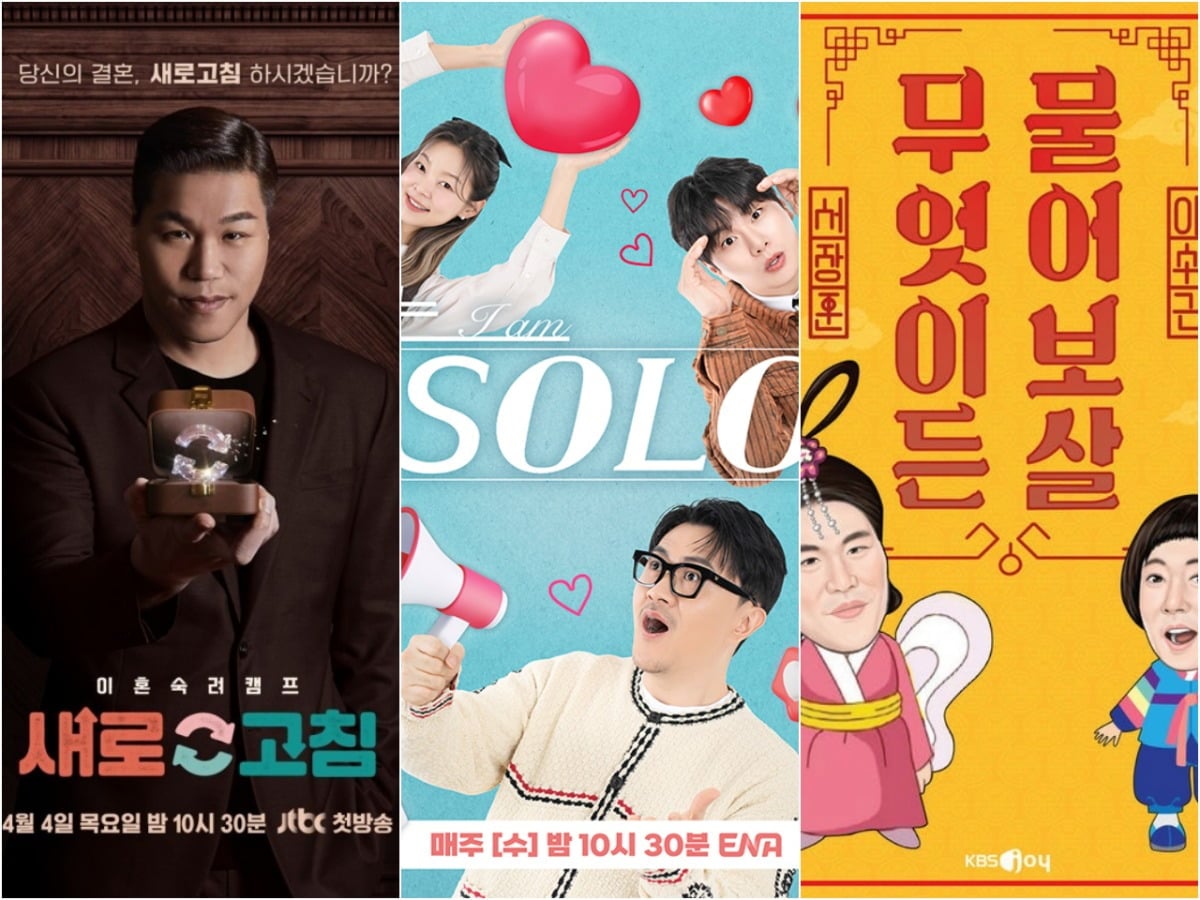
Variety shows like ‘I Am Solo’, ‘Divorce Meditation Camp’, and ‘Ask Anything’ have recently been pushing provocative themes to trigger so-called “dopamine.” While this is a strategy to create strong buzz, some viewers are reacting by saying the discomfort outweighs the entertainment. Since these programs all feature non-celebrity participants, questions are being raised about whether these individuals are being sufficiently protected amidst the fierce competition for views.
Season 31 of SBS Plus and ENA’s ‘I Am Solo’ recently sparked huge conversation. The episode aired on the 13th featured scenes reminiscent of conflict and bullying among cast members, as well as Sun-ja visiting the emergency room due to stomach cramps. As these extreme emotional moments were broadcast, viewers reacted with a mix of high immersion and deep discomfort.
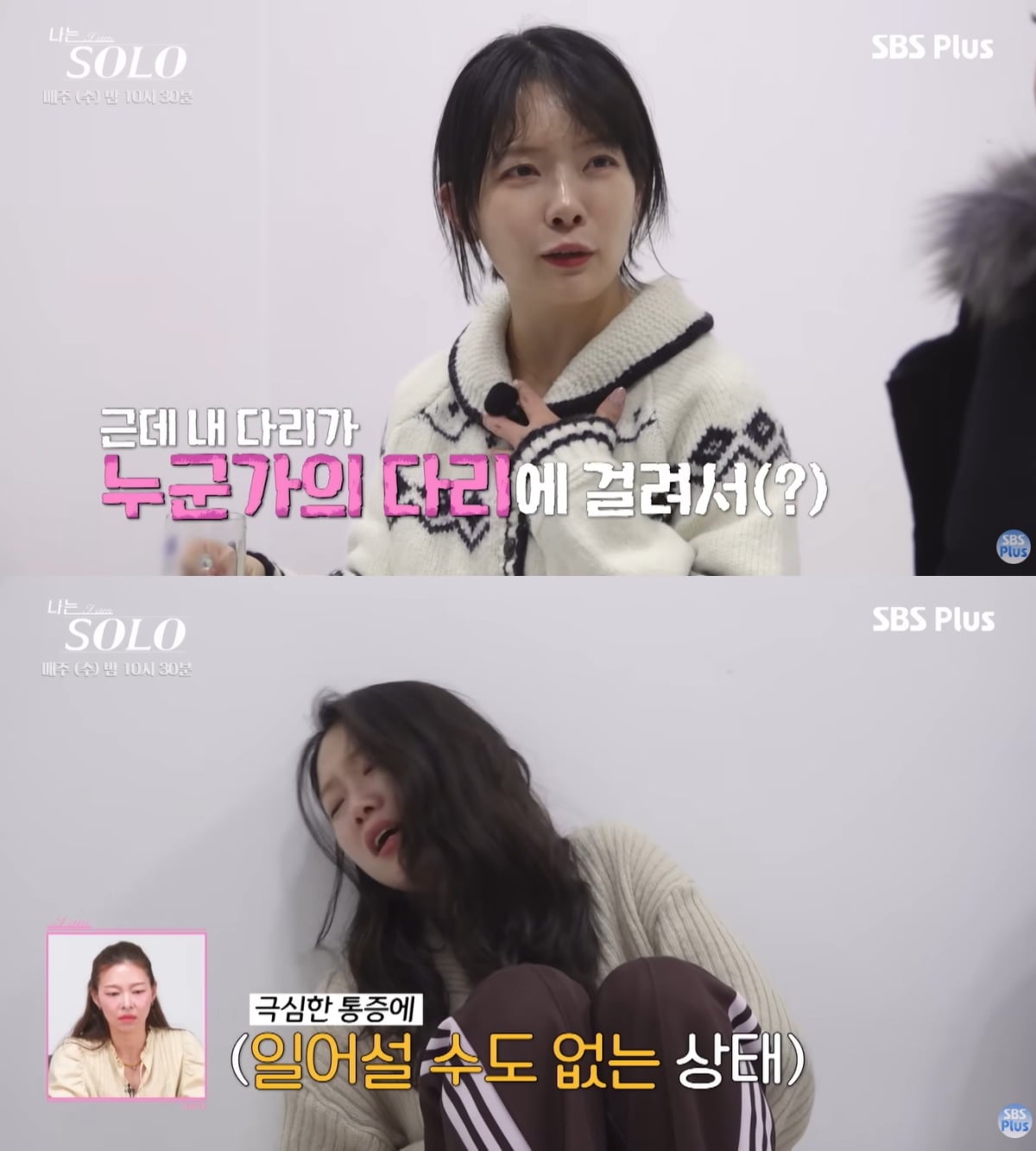
‘I Am Solo’ has long used so-called “villain narratives” and complex human relationships as key success factors for each season. Raw emotions and unpredictable relationship shifts are the show’s strengths. However, as conflicts are repeatedly highlighted and certain participants are consumed as overly negative characters, some viewers are reacting with fatigue, stating that it feels more uncomfortable than fun.
Similar controversies have repeated in other non-celebrity variety shows. In the JTBC show ‘Divorce Meditation Camp’ aired on the 23rd of last month, it was revealed that a couple had previously been in a staff-student relationship at a high school. The story of the husband, who was a staff member in his 30s, and the wife, who was 19 at the time, leading to pregnancy and marriage, caused an uproar. Immediately after the broadcast, some viewers criticized the show, asking if an inappropriate relationship between an adult and a minor was being consumed as entertainment material.

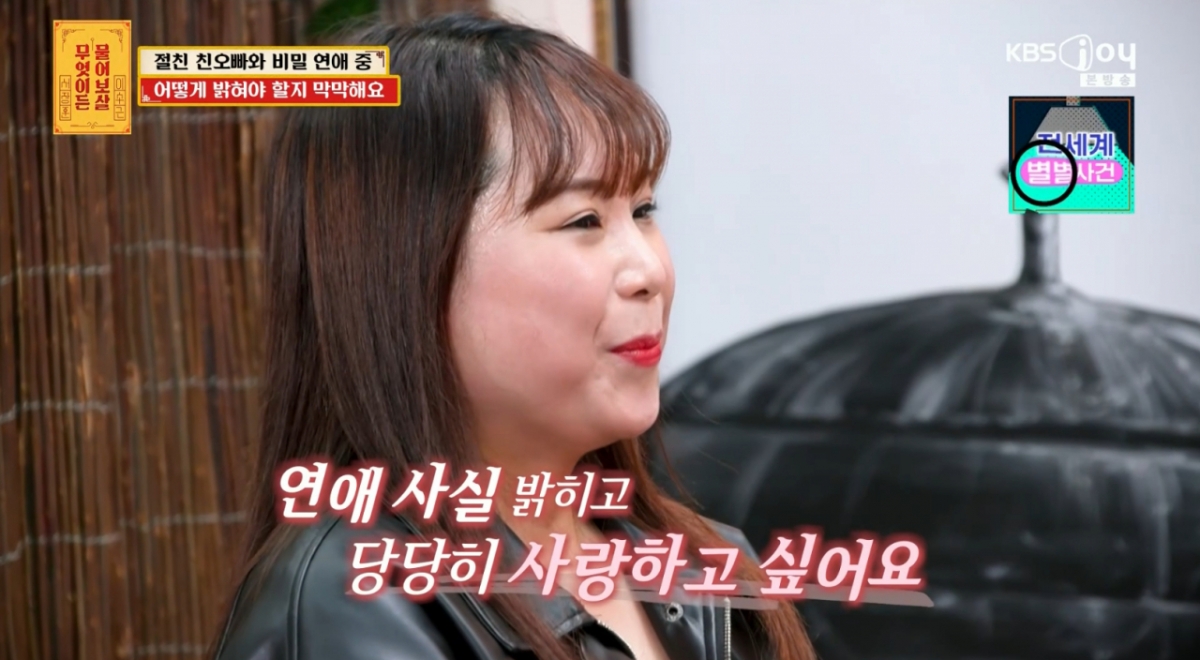
KBS Joy’s ‘Ask Anything’ also came under fire for its choice of subject. In a March episode, a man in his 20s appeared to discuss his dilemma about working in the adult entertainment industry. While MCs Seo Jang-hoon and Lee Soo-geun provided realistic advice and expressed concern, critics pointed out that the detailed mention of hiring procedures and income structures in the industry was inappropriate for broadcast.
The problem is that this trend is even more sensitive in non-celebrity variety shows. Unlike celebrity shows, non-celebrity reality programs have gained popularity by showing unscripted emotions and realistic lives. However, the burden participants must carry after airing is significant, as they often face secondary damage online, including hate comments, mockery, and doxxing.
In fact, some participants from ‘I Am Solo’ Season 31 reportedly suffered from hate comments and online attacks after the show. Ok-sun closed her personal Instagram account due to the hate, and Kyung-soo experienced “rating terror” at the glasses shop he operates. While the conflict scenes boosted the show’s popularity, the aftermath has bled into the participants’ daily lives.
“Dopamine variety shows” that stimulate a viewer’s “guilty pleasure” have been consumed as a formula for success for some time. Conflict, revelations, and shocking stories quickly create buzz and are reproduced online. However, as competition between programs intensifies, the stimulation becomes stronger, and the burden on individual participants grows.
Variety shows are a genre that pursues fun. However, fun does not necessarily have to be created through discomfort and provocation. Especially for programs centered on non-celebrities, production ethics that consider the aftermath of the broadcast are necessary. Now, as direction that crosses the line continues under the name of “dopamine,” it is time to prioritize healthy entertainment and protection mechanisms for participants over mere buzz.