From its roots as Hyun Planning in 1996 to 2026, YG Entertainment and its subsidiaries have debuted a massive roster of talent over the last 30 years. Including recruited artists like Stony Skunk, 45RPM, PSY, Epik High, and SECHSKIES, the list of artists who have been part of YG is even longer, making their musical history even richer.
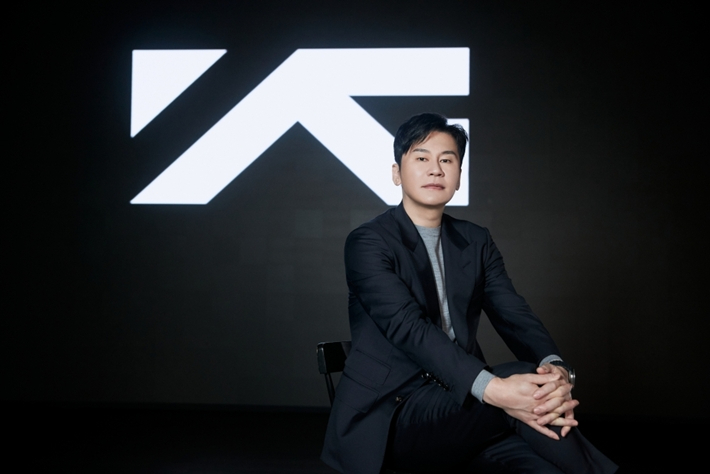
Yang Hyun-suk, who gained immense love as a member of the groundbreaking group Seo Taiji and Boys, transitioned into a producer early on. He established Yanggoon Planning, which became a corporation in 1998 and was renamed YG Entertainment in 2001.
You can’t talk about the early days of YG without mentioning their active embrace of “Black music” (a term used for hip-hop and R&B). Experts agree that by focusing on hip-hop and R&B rather than the ballads and dance-pop that dominated the industry at the time, YG created a distinct identity that set them apart from other agencies.
Music critic Kang Il-kwon noted, “At a time when Black music was still considered a minor genre in Korea, YG played a significant role in popularizing hip-hop and R&B.” Cha Woo-jin, CEO of the Enter Culture Research Institute, added, “YG’s most important legacy in Korean popular music is grafting the language of hip-hop and Black music into the idol system. Avoiding the mainstream ballad and dance-pop formulas of the time was a very meaningful decision in hindsight.”
Music critic Jung Min-jae pointed out the “hybridization of Black music, Korean pop, and K-pop.” He explained, “While R&B and hip-hop artists existed before and outside of YG, YG’s music allowed these genres to take root in K-pop more systematically and commercially. By combining the sensibilities of Korean pop with Black music-style vocals and dance performances, they successfully landed in the mainstream.”
Music critic Kim Yun-ha stated, “YG took Black music, which was unfamiliar to the Korean public in the 90s, and polished it into high-quality, trendy idol pop.” Critic Choi Seung-in also viewed YG’s “most important achievement” as consistently introducing hip-hop and R&B through various teams and establishing a distinct “YG Production” sound by recruiting internal producers and members capable of composing.
Choi added, “From the start with Teddy and Perry to BABYMONSTER, YG didn’t just influence the Korean hip-hop/R&B scene; they created an entire aesthetic and attitude. The most meaningful part is that this influence flowed beyond the mainstream into sub-genres, creating its own unique culture.”

Music critic Hwang Sun-up commented, “Early YG was a company that played a decisive role in bringing Black music, including hip-hop, into a realm familiar to the public.” He noted that under the “YG umbrella,” various genres coexisted, from direct lineups like Jinusean and 1TYM to M-Boat (which saw artists like Wheesung, Gummy, Big Mama, and Wanted) and YG Underground (which housed 45RPM and Stony Skunk). He emphasized that their active support for “genre music” outside the commercial safe zone significantly expanded the horizons of Korean popular music.
“I view the smooth transition from a hip-hop label to today’s K-pop agency positively,” said music critic Randy Seo. “While hip-hop wasn’t mainstream in the late 90s, its ‘cool’ attitude was highly attractive to the younger generation, especially those interested in rap, dance, and nightlife. The return of Korean-Americans who enjoyed hip-hop in the US was also a significant trend.”
Randy Seo added, “They made many great attempts through subsidiary labels. In the early 2000s, by absorbing the vocalist-focused M-Boat label, YG’s palette expanded from rap-centric music to Black music in general.” He diagnosed that YG “coolly” dominated the music scene before K-pop fully took off with hits from R&B artists like 1TYM, Wheesung, Gummy, Seven, and Big Mama, as well as the impactful Lexy. He also highlighted the establishment of labels like Highground and THEBLACKLABEL, centered around Tablo and Teddy.
Cultural critic Sung Sang-min called the act of “pulling Black music into the popular music system” YG’s “innovation.” He analyzed, “This likely played a huge role in creating an idol culture different from Japan’s. While there were idols and groups like Seo Taiji and Boys and Deux who tried hip-hop styles, YG didn’t stop at just introducing it to idols; they adopted it as the overall operational philosophy of the agency.”
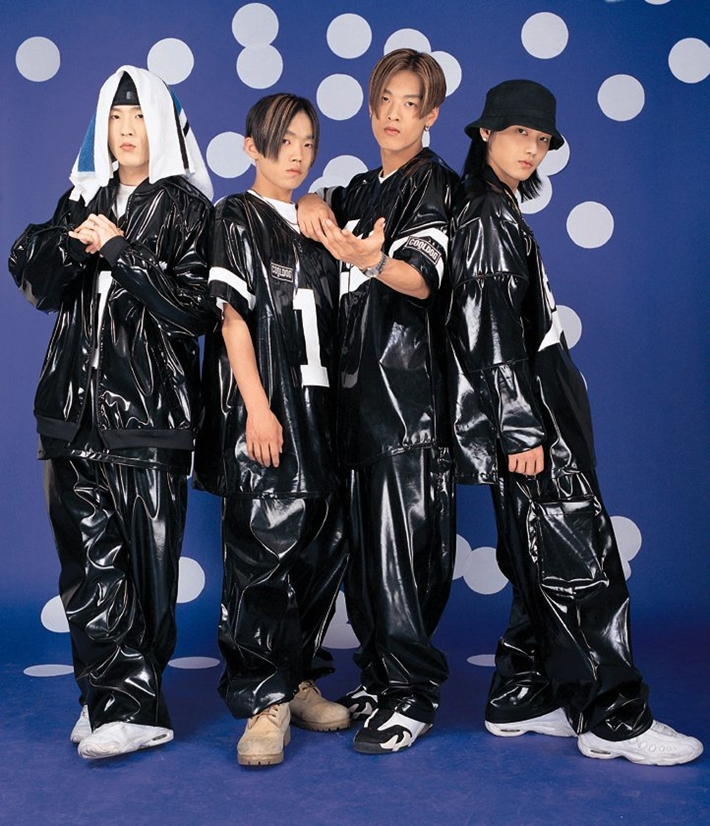
Sung explained, “It was as if they wanted to make the entire company feel like a hub for Black music. While that concept has evolved, early YG’s aim to be a ‘hip-hop crew’ was symbolic.” He cited examples such as releasing collaborative albums as the “YG Family,” publishing the Black music magazine ‘Bounce,’ planning hip-hop idols and singers capable of authentic R&B, and actively recruiting artists in hip-hop and reggae.
Sung believes this early focus on Black music linked to later artist planning. He noted, “Compared to Jinusean and 1TYM, the concentration of hip-hop at the group level may have decreased, but the sense of applying Black music sensibilities to idol dance and pop created a difference from competitors. G-Dragon explored hip-hop more deeply in his solo work, and the recruitment of Epik High showed a continued commitment to Black music at the core.”
With the massive hit of BIGBANG’s debut in 2006, YG’s image as a “K-pop agency” became clearer. Critic Jung stated, “We cannot overlook how they elevated the level of rap within K-pop through BIGBANG in 2006 and 2NE1 in 2009.”
Critic Jang added, “They caused a seismic shift by crashing the ‘asteroid’ of EDM into their existing identity of Black music. This was the moment the concept of ‘alternative’ was brought into the K-pop mainstream.”

Critic Choi explained, “Starting from hip-hop/R&B, they quickly absorbed electro-pop and EDM starting with BIGBANG, creating a clear distinction within K-pop. This flow continued with 2NE1, playing a decisive role in establishing the image of a talented group with a distinct color, and became a turning point in engraving in the public’s mind what kind of groups YG makes and how.” He also mentioned that constant exchange with the US hip-hop/R&B scene is another part of YG’s identity, from the participation of Mobb Deep’s Prodigy, Cypress Hill’s B-Real, and Chino XL in Jinusean’s 3rd album to collaborations with masters like Pharrell, Diplo, and Missy Elliott to expand their artists’ aura and open paths to overseas markets.
Their success in blurring the line between “artist” and “idol” within the K-pop system was also frequently mentioned. Critic Kang noted, “Especially with BIGBANG, centered around G-Dragon and Taeyang, the consistent release of high-quality songs by various artists blurred the boundary between idols and genre artists, which is one of the most notable achievements.”
Critic Jang also viewed this as a new paradigm, stating, “While mainstream idols of the time pursued the ‘perfected idol’ born from a company’s sophisticated process system, YG put forward ‘artist-type idols’ armed with their own color and individuality. The turning point for this was the appearance of BIGBANG and 2NE1.”
CEO Cha mentioned that the way members directly participated in songwriting and composition to carry their own narratives through albums was rare in idol culture at the time, citing BIGBANG as a prime example. Critic Hwang added, “Through an operational method that prioritized member individuality, they created irreplaceable teams like BIGBANG and 2NE1, and with BLACKPINK, they rewrote the global standards of K-pop with cutting-edge sound and performance.”
Music critic Park Hee-ah diagnosed, “YG broke the prejudice that idol groups consist of typically pretty girls and handsome boys. BIGBANG and 2NE1 moved away from conventional beauty and polished music styles, creating the concept of ‘public-friendly idols’ by emphasizing styling that highlighted their individuality and performances with a free-spirited atmosphere.”
Park added, “BIGBANG attracted men, who were far from the primary consumers of idol groups, as fans who listened to their music and followed their styling. By creating a concept of idol music that anyone could enjoy beyond a relatively small, tight-knit fandom, they established a reference for popular idols. Thanks to the YG-style idol image created then, teams like WINNER, iKON, and BLACKPINK were also able to succeed.”
Music critic Miyo analyzed, “YG has an alchemy of branding. They make things that are relatively ‘outdated’ feel hip, and things that seem ‘old-fashioned’ feel like confidence. This is a completely different circuit from many agencies that create K-pop by severing ties with the past through a bleaching and controlling system. The ‘spiciness’ that K-pop could not have reached if it were only made in a sterile room was created at YG.”

Critic Jung introduced the effective use of synergy between music and fashion as another differentiator. He commented, “From Seven’s Heelys to the numerous fashion items of BIGBANG and 2NE1 that quickly captured and introduced Anglo-American trends, and the collaborations between BLACKPINK and various luxury houses, they have a sense in this field that no other agency can match.”
CEO Cha also noted, “2NE1 practiced ‘Girl Crush’ through music and style before the concept became a marketing term. BLACKPINK is the K-pop group that most sophisticatedly executed a strategy linked with global luxury brands. This is the result of YG’s unique ‘style & identity first’ strategy.”
Critic Sung mentioned that even after the 2010s, when the hip-hop color faded, maintaining a ‘crew’ sensibility and opening doors to artists other than internally trained idols created a unique color. He stated, “While other companies focus strictly on internally planned idols, YG’s willingness to accept artists like Master Wu, Epik High, and AKMU is a differentiator in their effort to keep a ‘vibrant feeling’.”
Some responded that YG expanded the scale of the K-pop industry by producing ‘world-class idols.’ Critic Jang said, “Through an outstanding group like BLACKPINK, they raised the industrial scale that K-pop could embrace and laid the groundwork for growth.” Critic Choi added, “It is also worth noting that they are a company that expanded the recognition of Korean music within the K-pop brand by naturally entering global stages like Coachella, which previously seemed vague in Korea.”

Although most have now left, YG was also eager to recruit artists with diverse musical styles. Critic Hwang explained, “It is impressive that they housed artists with different vibes, from PSY and AKMU to Epik High and SECHSKIES. YG has clearly fulfilled its role as a pillar and strategic point of Korean popular music, willingly extending a hand to those in need of support.”
Critic Randy Seo noted, “In the 2010s, when TV audition programs became important, they adapted to the times by recruiting Kang Seung-yoon from ‘Superstar K2’ and Lee Hi and AKMU through ‘K-pop Star.’ Later, the trainee audition program ‘WIN,’ which debuted WINNER and iKON, was also a hit.”
Critic Jang pointed out, “They didn’t settle for the consecutive success of their own idols but tried to breathe diversity into the company by recruiting artists active in various fields. At the same time, respecting the autonomy of their artists was effective. The fact that many people think of the names of artists who passed through YG rather than a single image of the company shows a free creative atmosphere.”