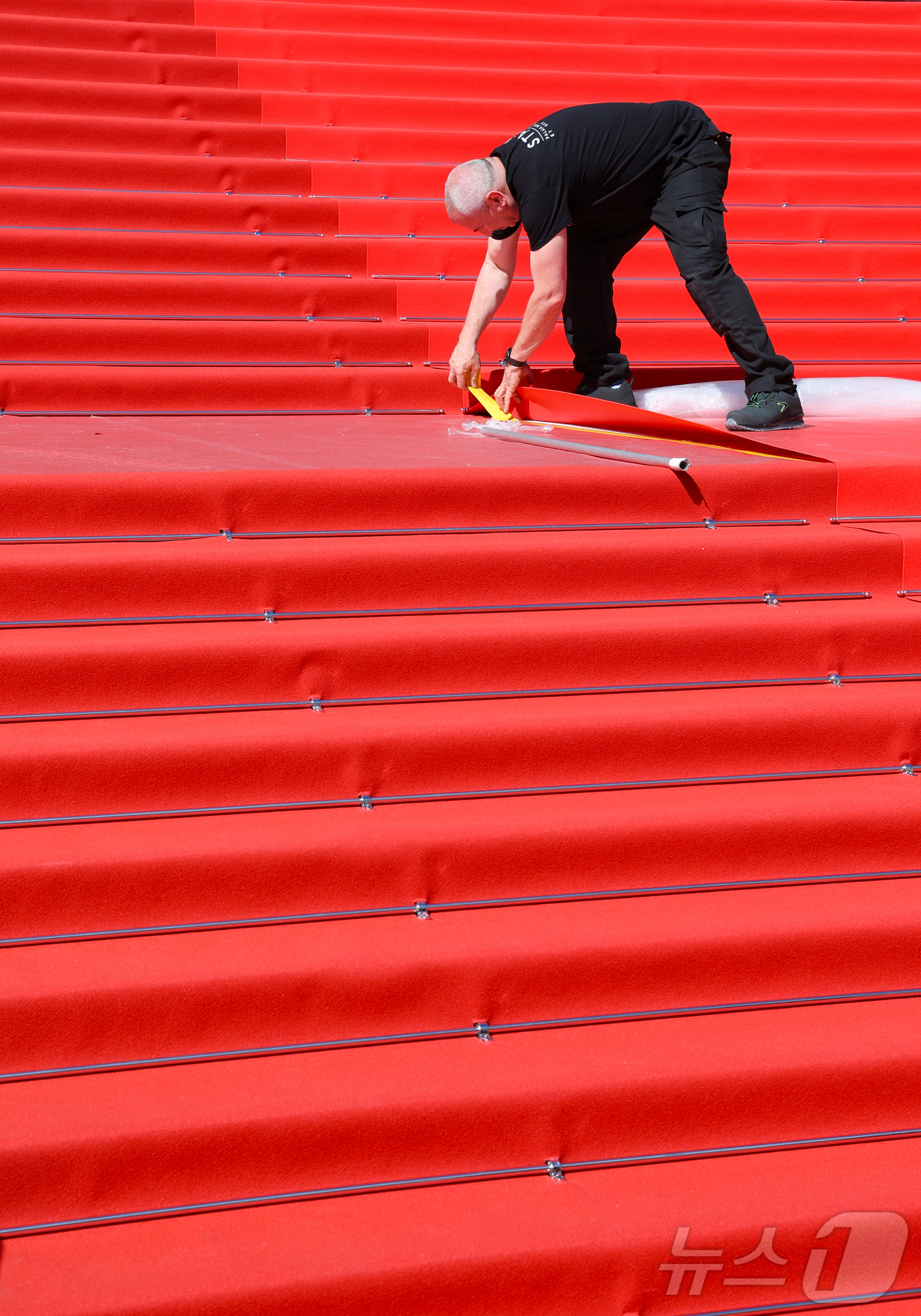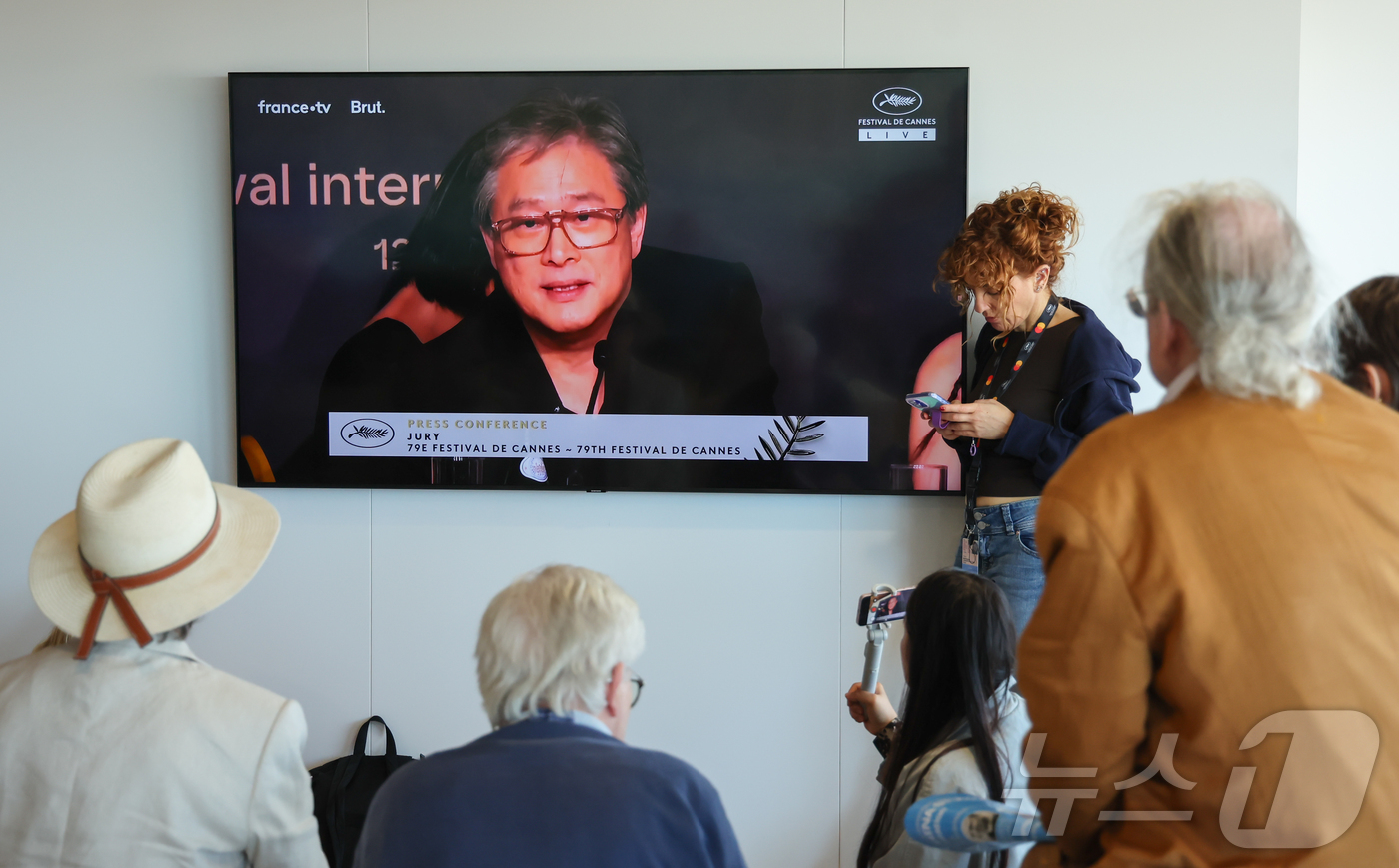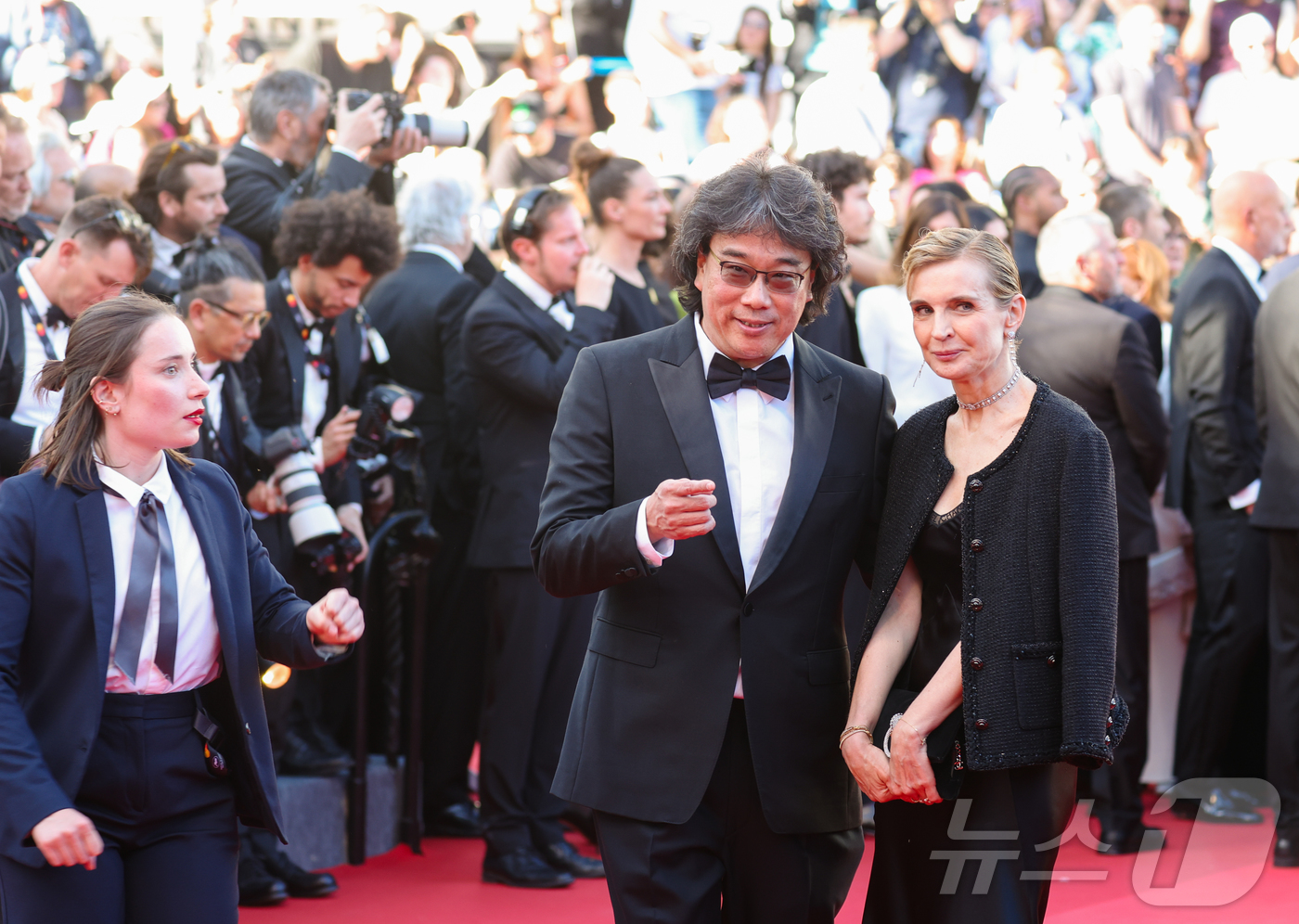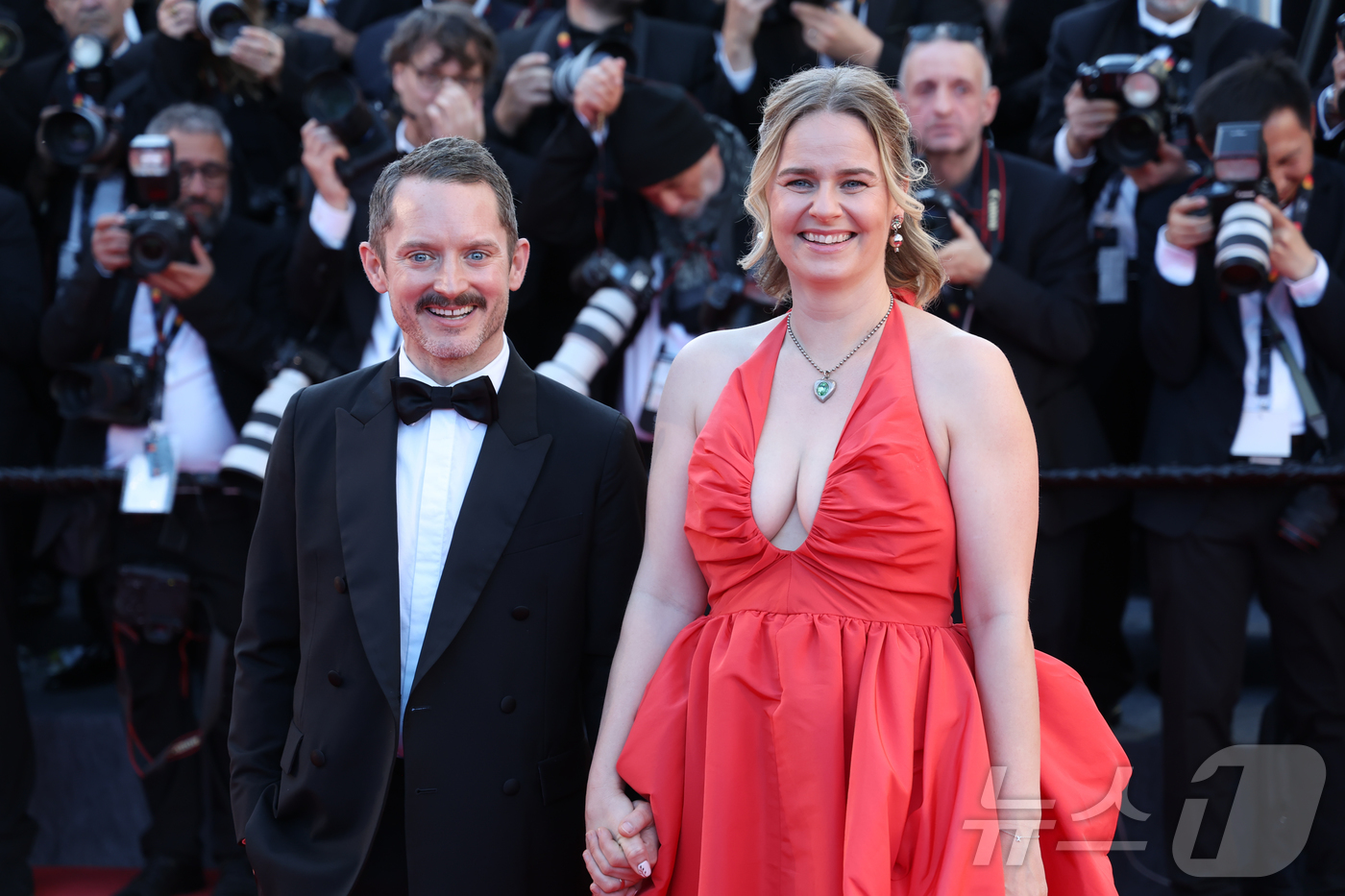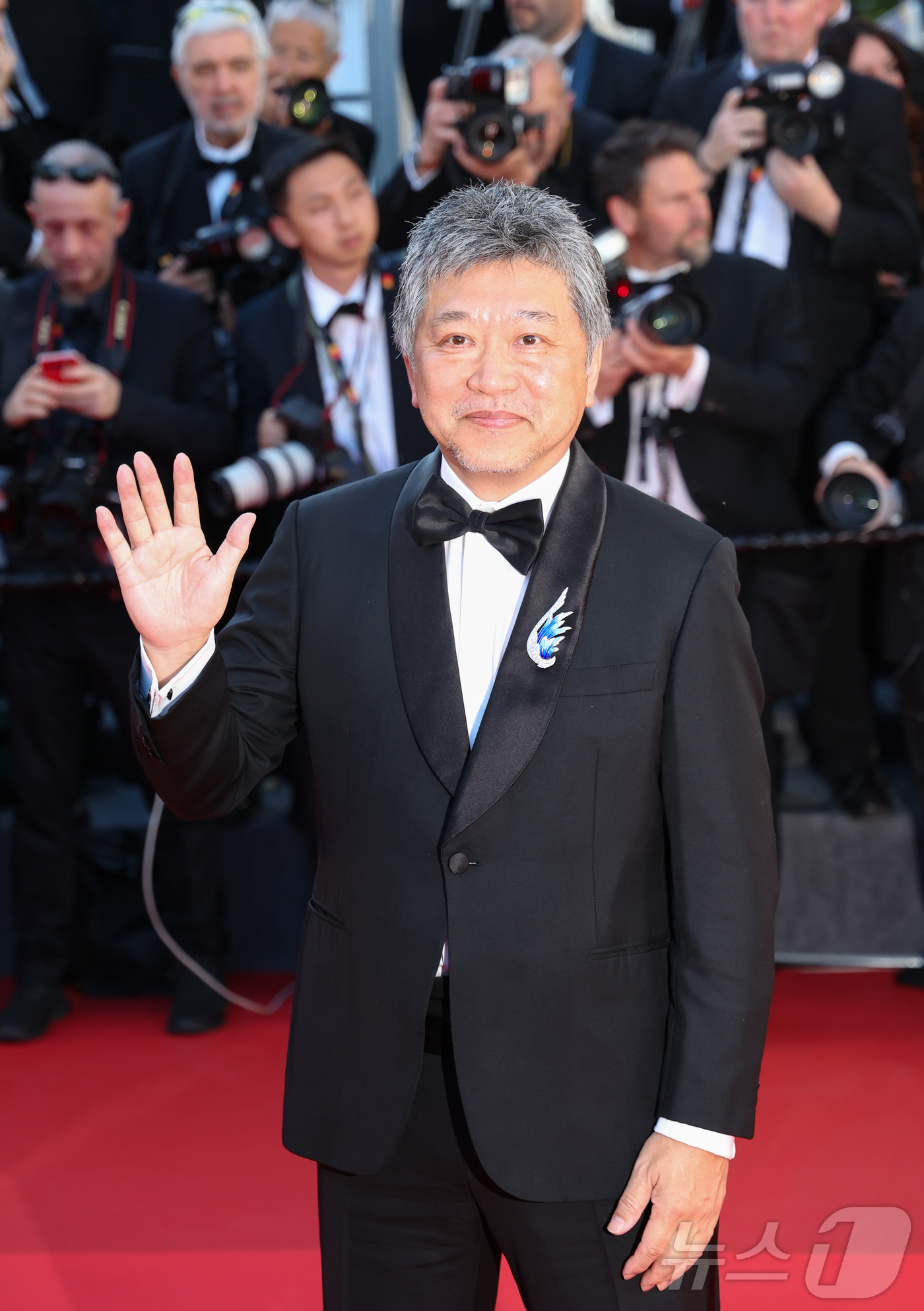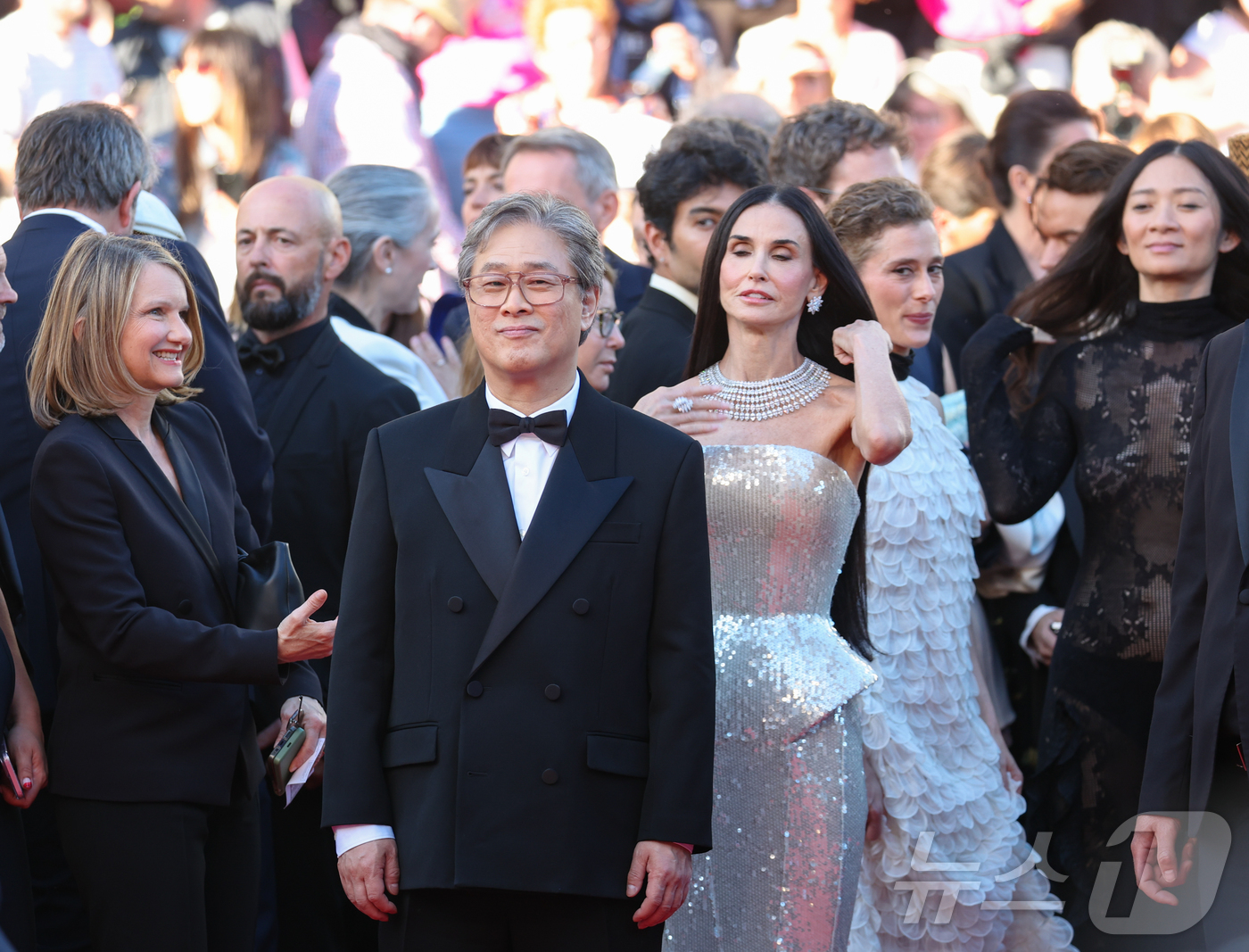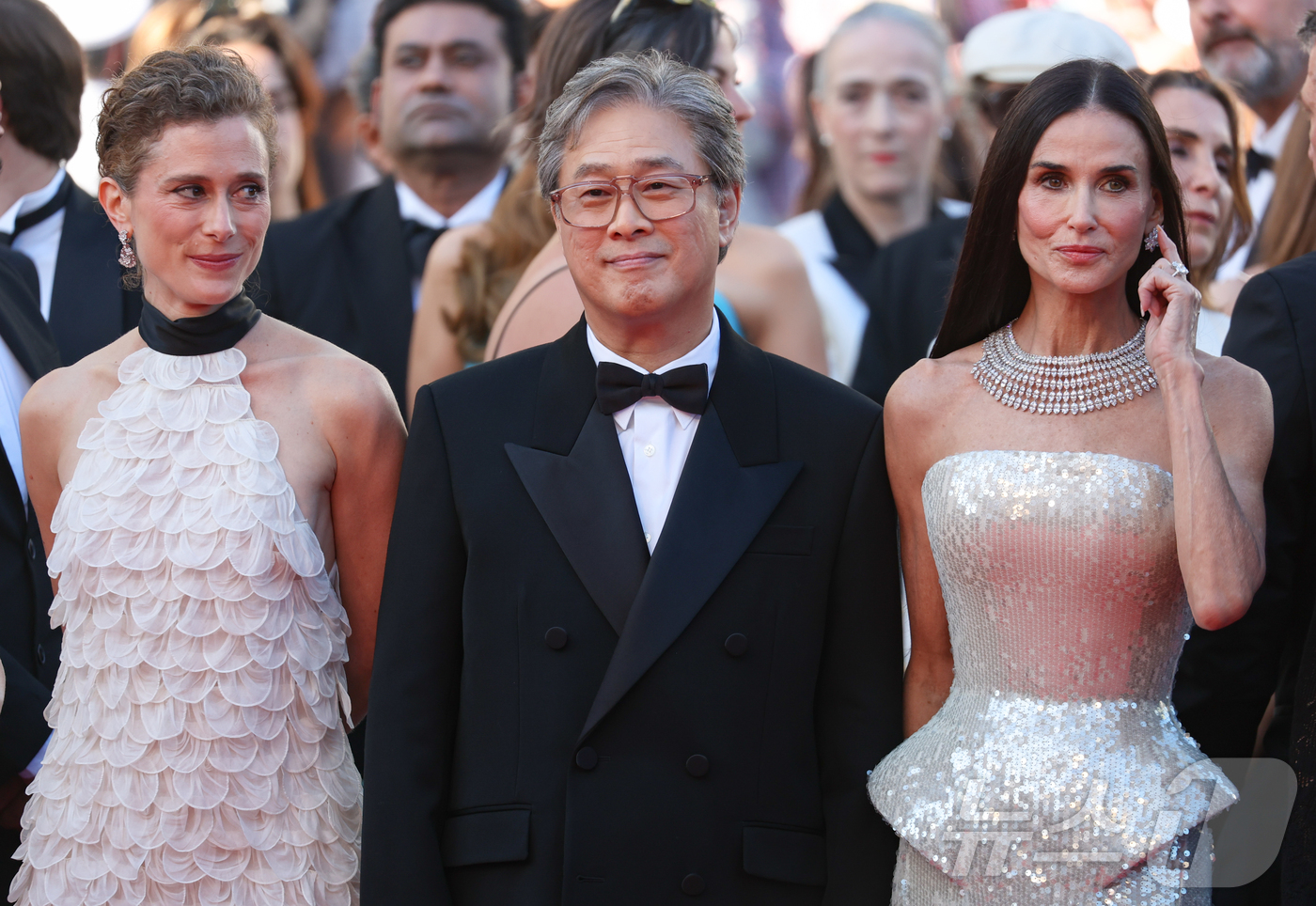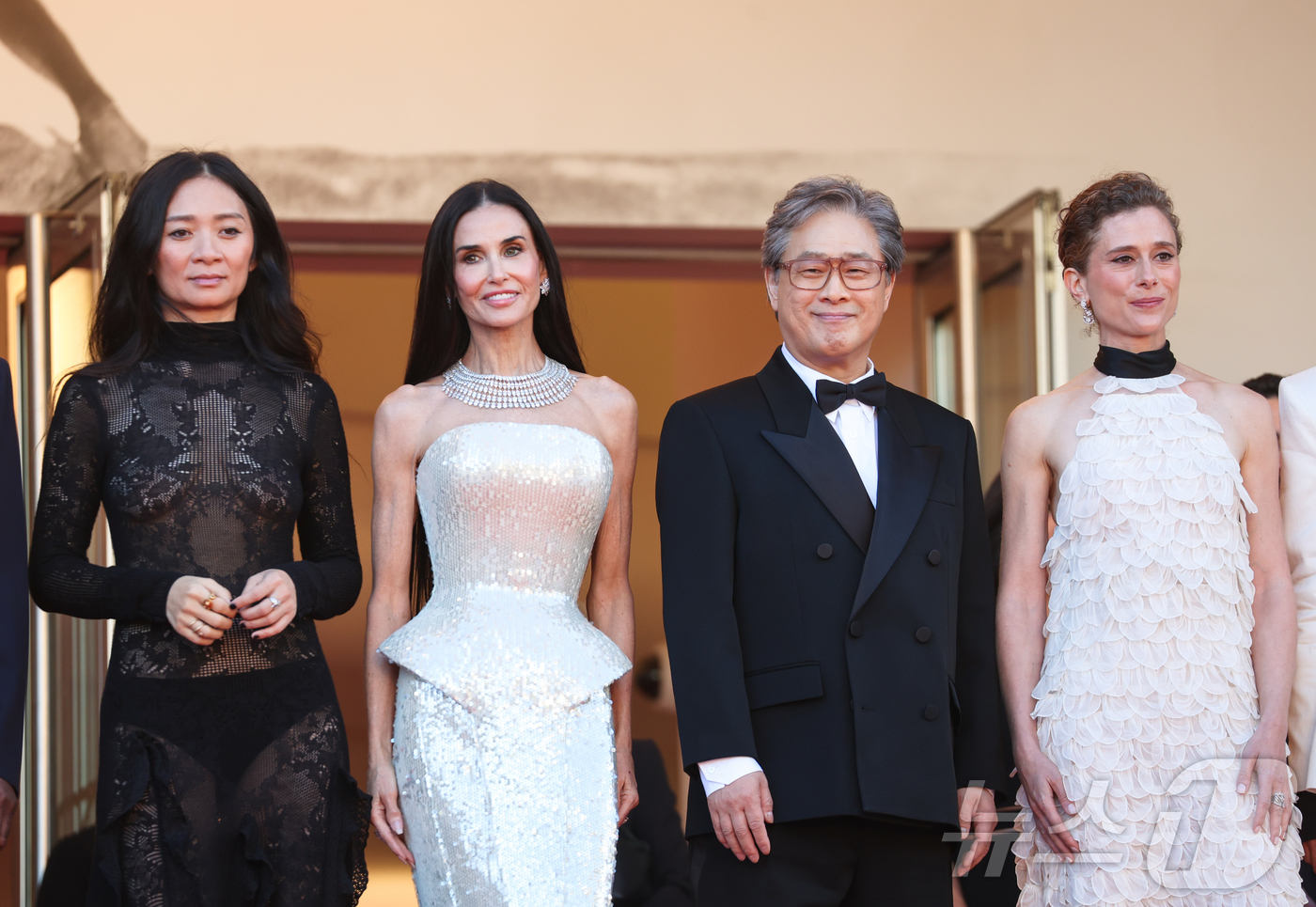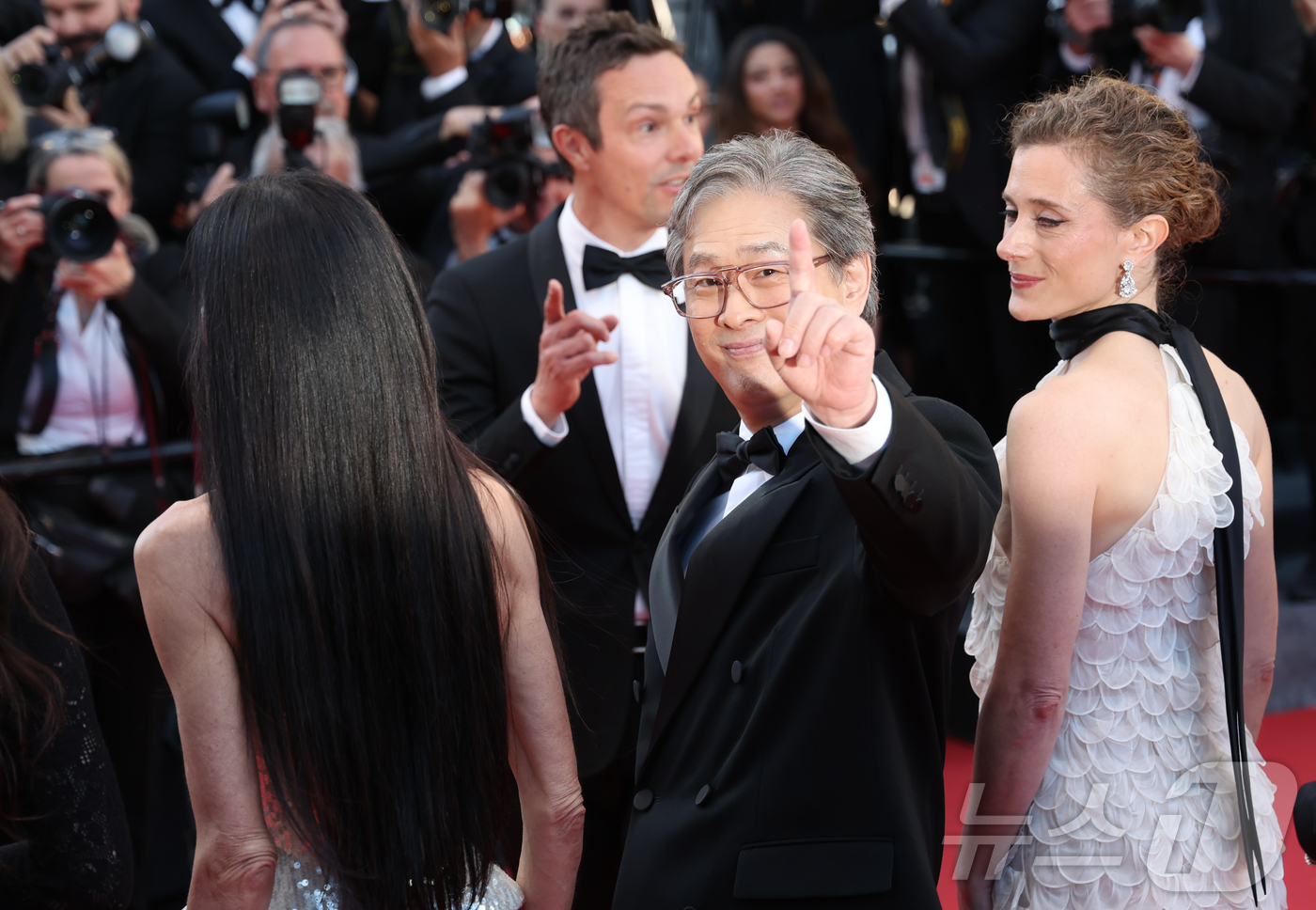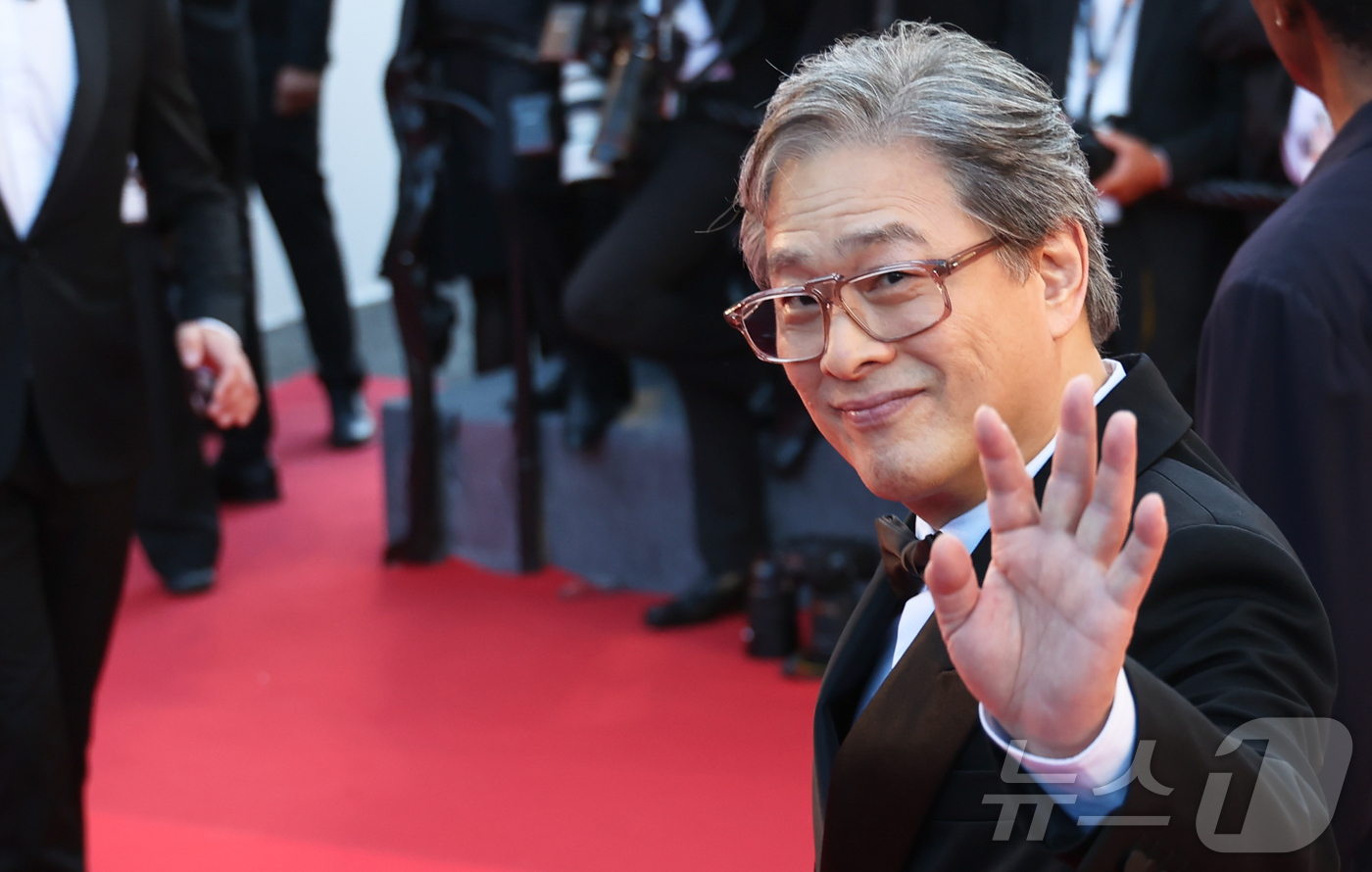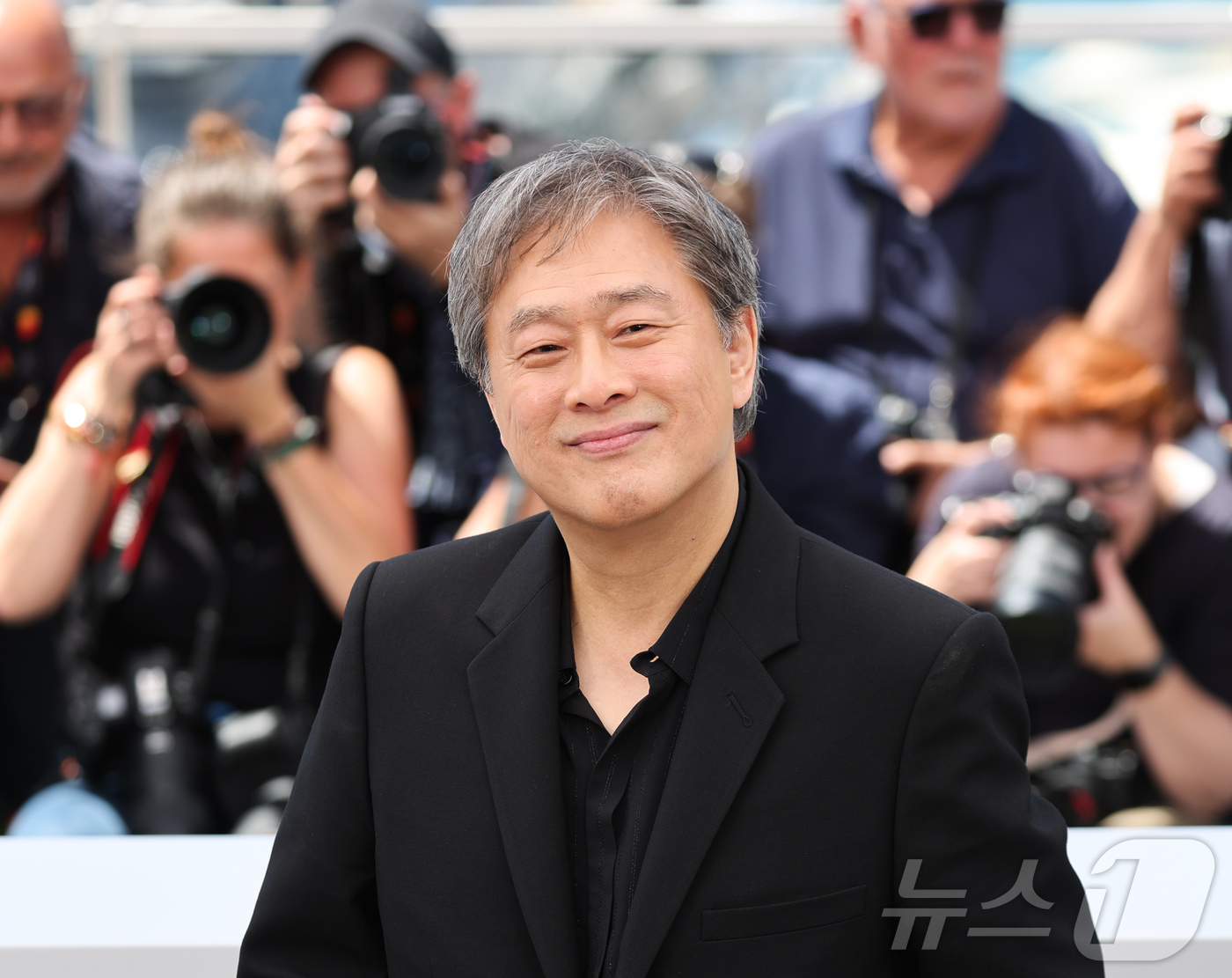
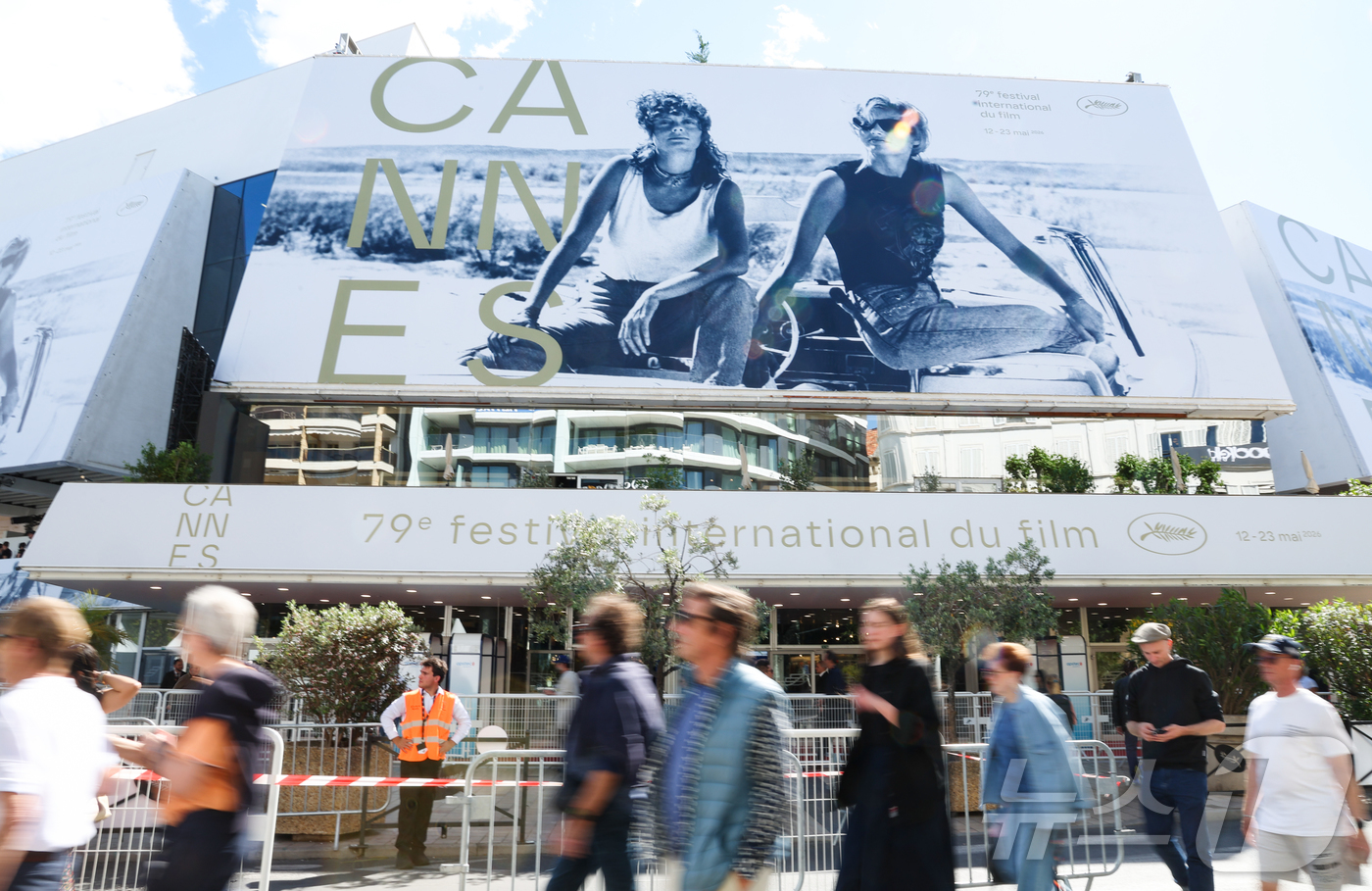
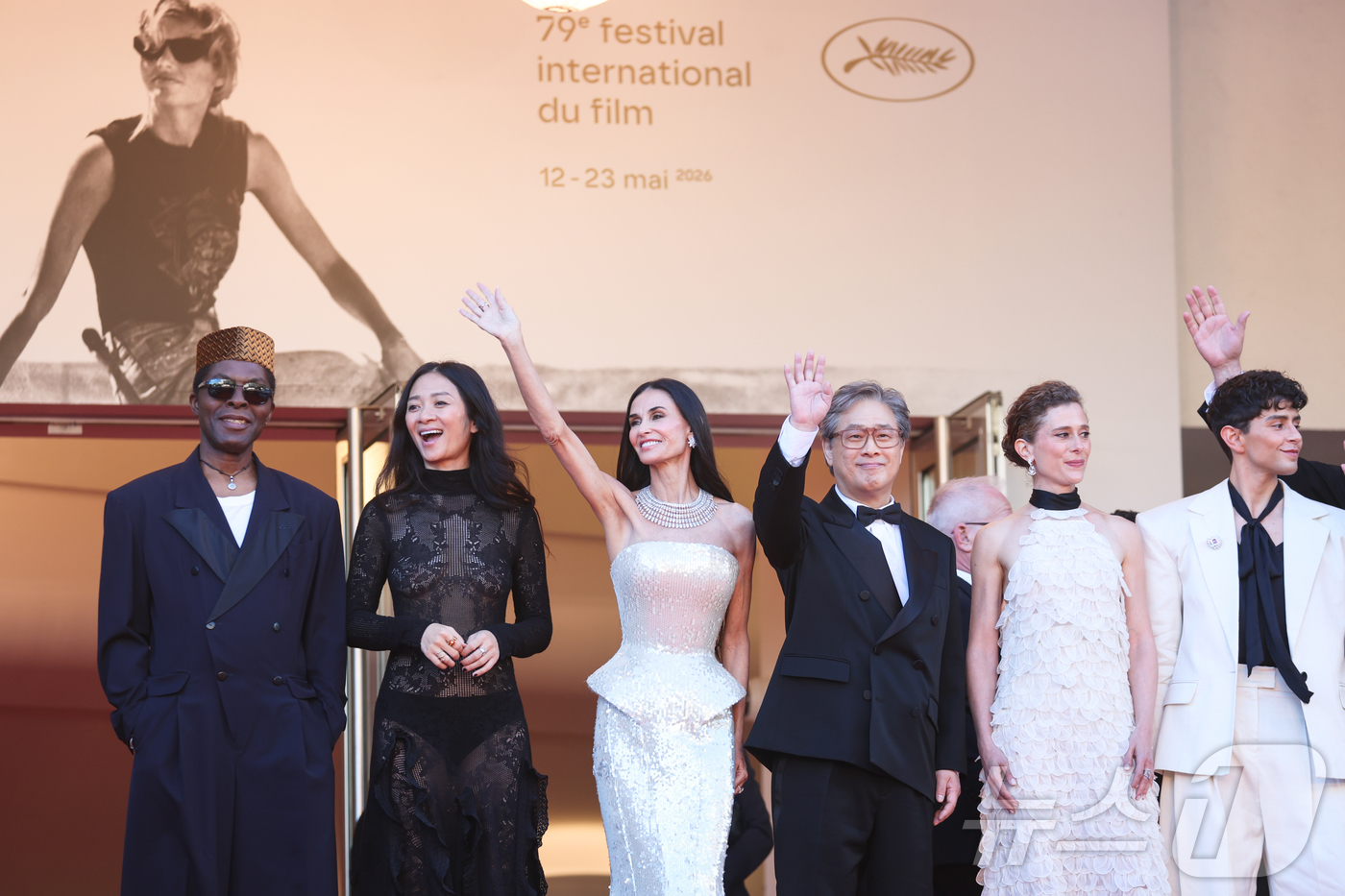
The 79th Cannes Film Festival officially opened on the 12th (local time) at the Palais des Festivals in Cannes, France. Director Park Chan-wook, serving as the Jury President for the competition section, kicked off his first official schedule by sharing his thoughts on the relationship between politics and art, as well as the meaning of judging.
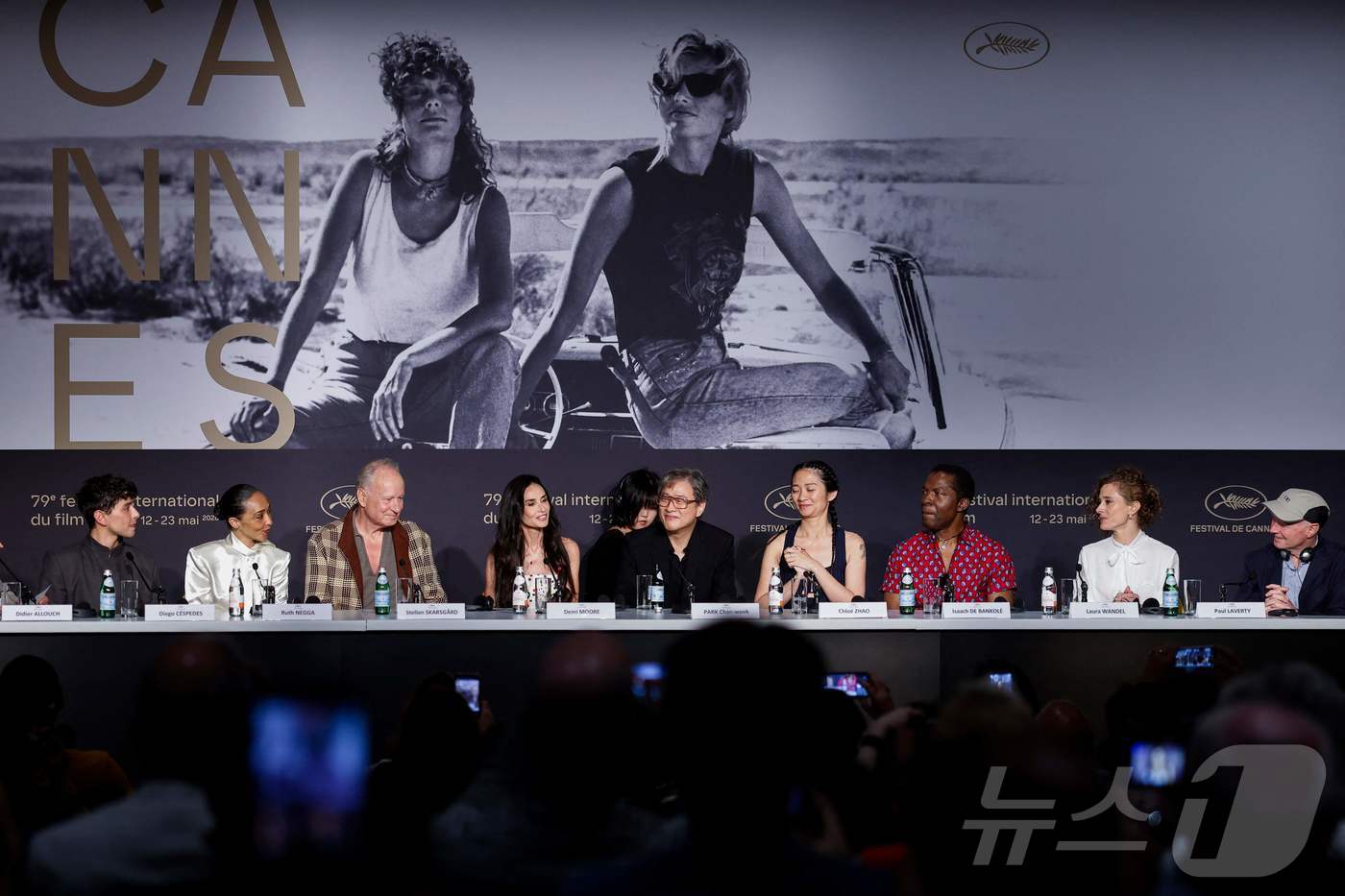
During a press conference held that morning, Park explained why he accepted the role: “Since I’ve served as a juror once before, I knew it was a stressful position.” He added, “I thought about it for about five minutes, but since I’ve been invited to the competition section and won awards several times at Cannes, I felt it was time to give back.”
He also mentioned his trust in General Delegate Thierry Frémaux, saying, “I had faith that the General Delegate would bring in great people. I accepted the role with the expectation that it would be a time for wonderful conversations with my fellow jurors.”
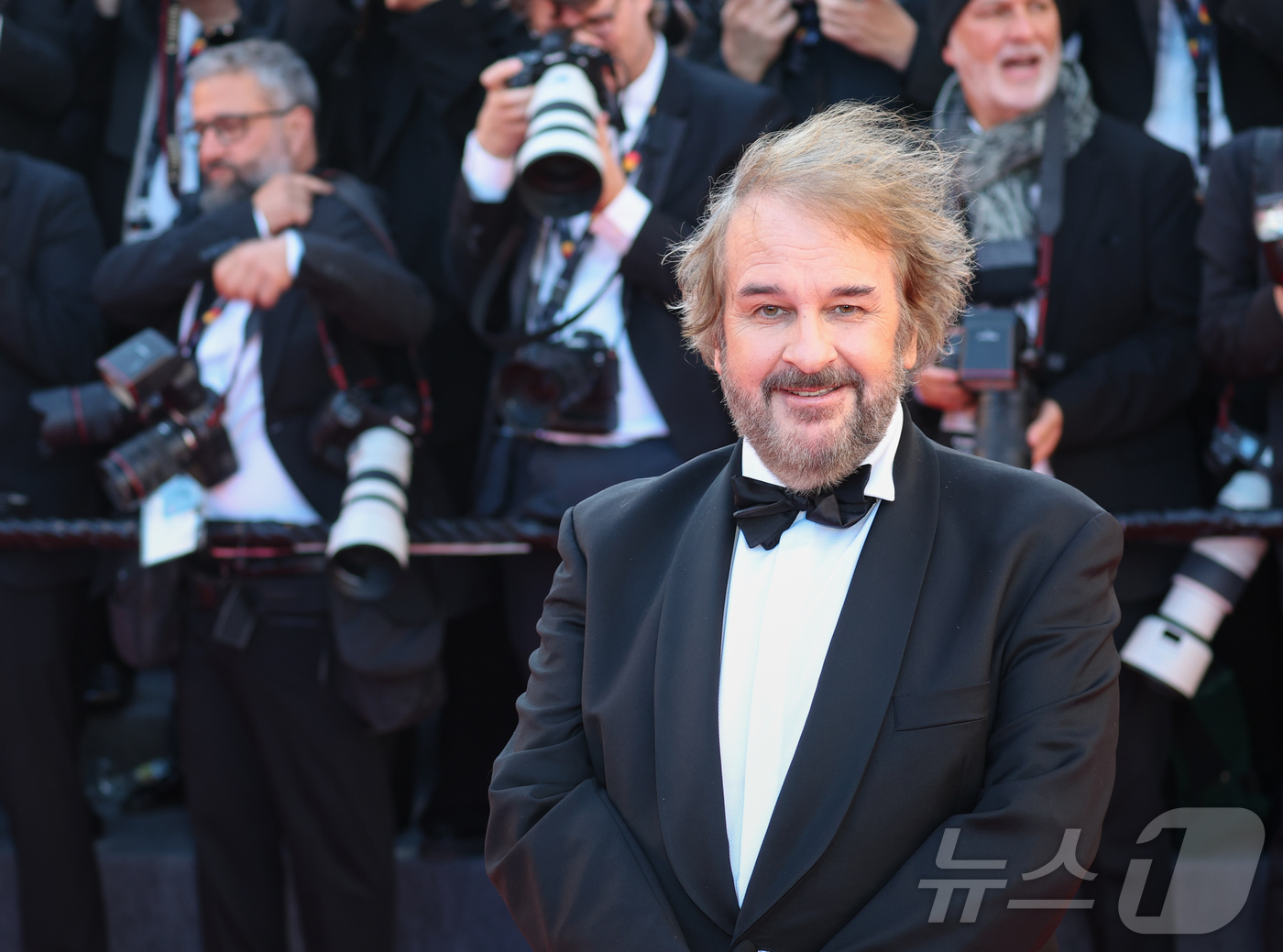
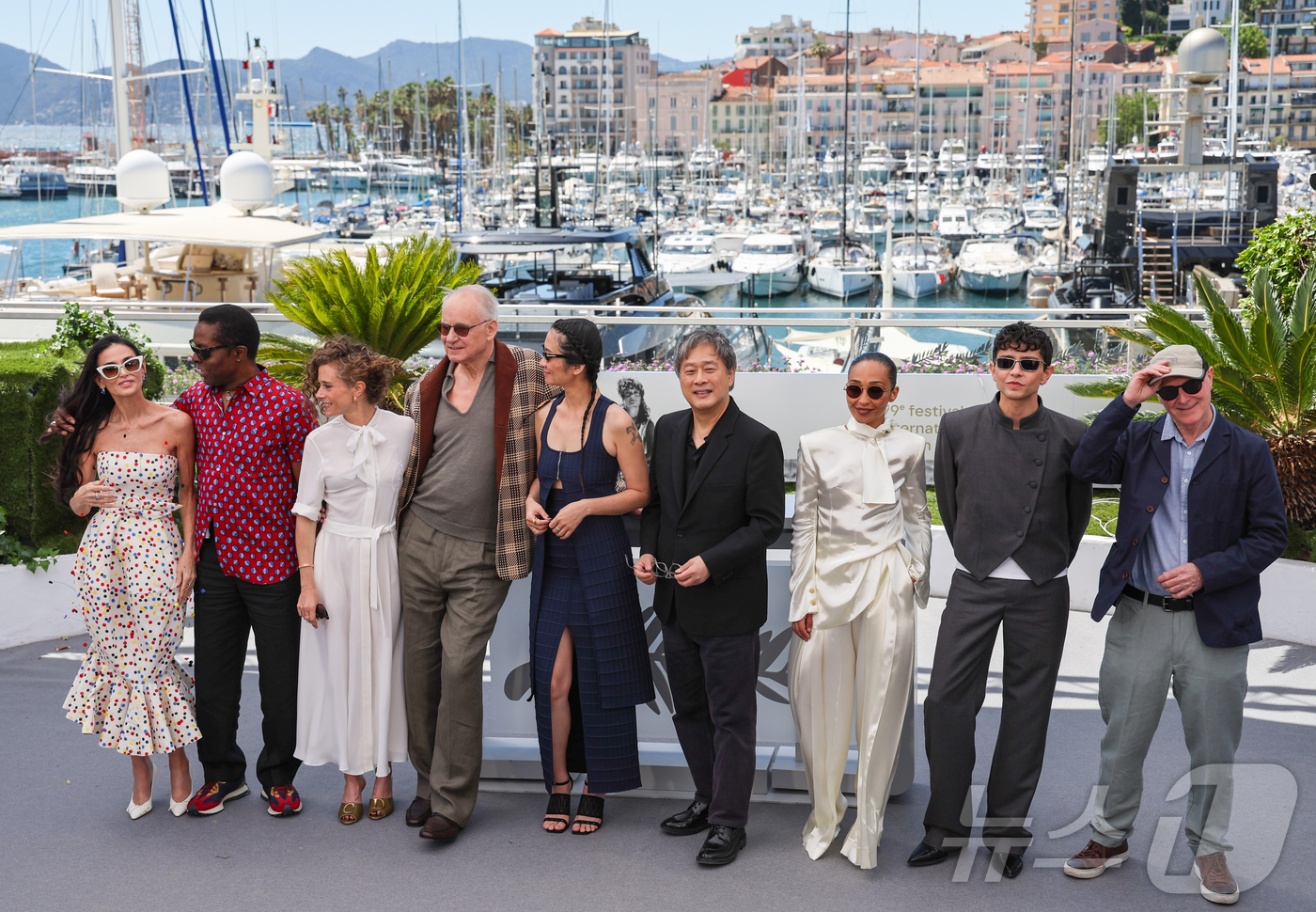
This year’s jury consists of nine members, including Director Park, actress Demi Moore, Ruth Negga, directors Chloe Zhao and Laura Wandel, Diego Cespedes, Isaac de Bankolé, Stellan Skarsgård, and screenwriter Paul Laverty.
When asked about the relationship between politics and art, Park stated, “I don’t think politics and art should be separated. It’s strange to view them as opposing concepts.”
He continued, “Just because a work contains political claims doesn’t mean it should be perceived as an enemy of art. Conversely, a work shouldn’t be excluded just because it lacks politically noteworthy content.”
He emphasized, “No matter how much someone wants to convey a political message, if it isn’t artistically excellent, it’s ultimately nothing more than propaganda. Art and politics are not opposing concepts, and if expressed well, they are absolutely worth listening to.”
Regarding the judging process, he noted, “While distinguishing first and second place might feel meaningless, it can serve as a catalyst to bring more attention to a specific film.”
On the status of Korean cinema, Park remarked, “Korea is no longer on the periphery of cinema.” However, he added, “I wouldn’t want to say we’ve entered the center. The significance lies in the fact that we’ve expanded genres and come to embrace a diverse range of films.”
He then joked, “That doesn’t mean I’ll give extra points to Korean films,” which drew laughter from the crowd.
At the opening ceremony, French actress Aïda Tara hosted and introduced the jury. Describing Director Park, she said, “Revenge for hatred and violence, a poetic sense, and the world’s obsession with Korean cinema. He has geniusly depicted the pain of the human soul, and we owe him several sleepless nights.”
She added, “I pay my respects to all the film directors. Over the next 11 days, they will unveil works born from their deepest places.”
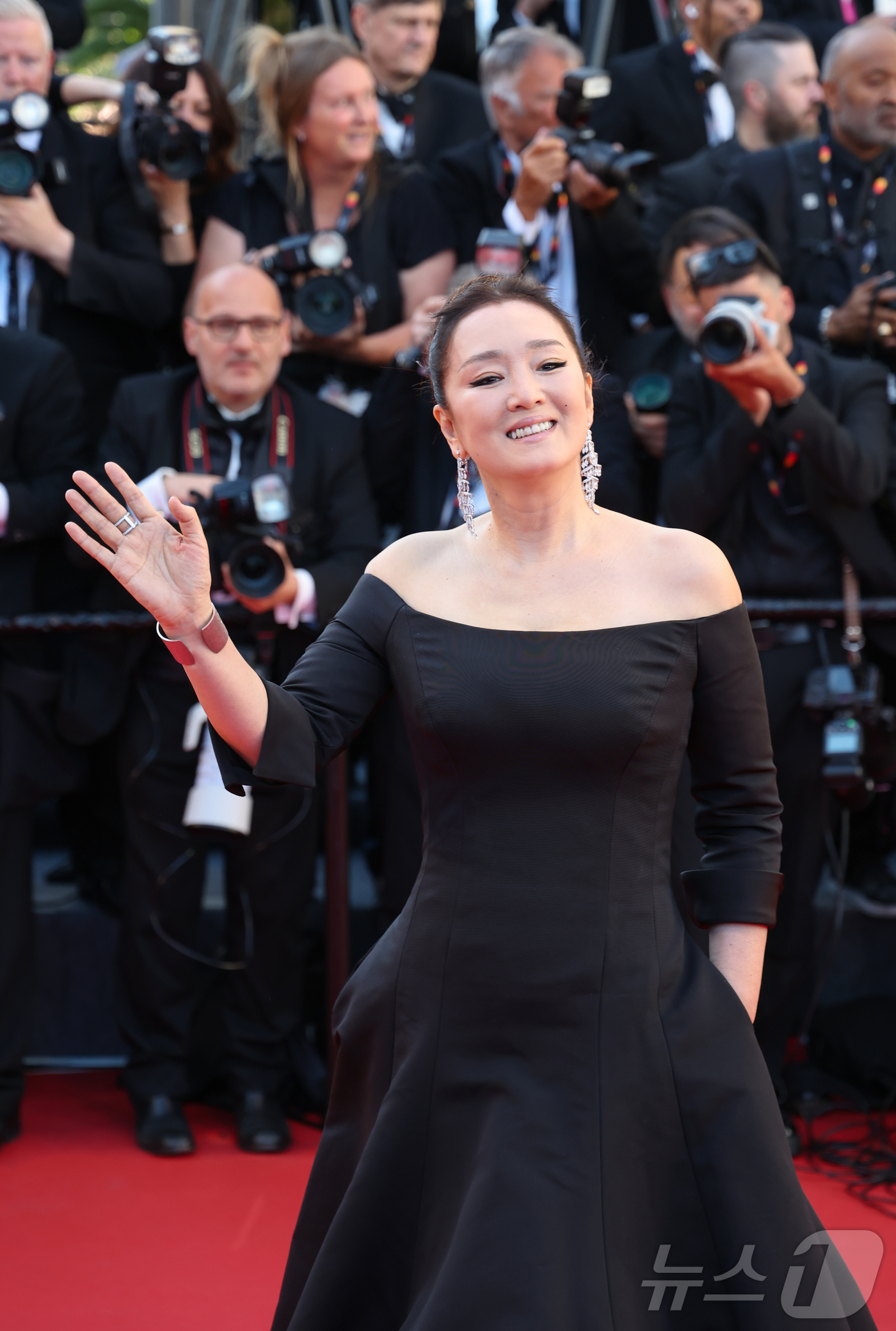
The official opening declaration was made by actress Gong Li and Jane Fonda. They declared the start of the 79th Cannes Film Festival, stating, “The power of cinema is what brings us together tonight.”
Following the ceremony, the festival’s official schedule began with the screening of the opening film, ‘The Electric Kiss’ by French director Pierre Salvadori.
This year’s festival has expanded to over 950 cinemas across France through cooperation with the Fédération Nationale des Cinémas Français and major cinema chains. Some theaters will broadcast major programs, including the opening ceremony, and hold events linked to the films. General Delegate Thierry Frémaux previously stated, “The role of the festival is to introduce works that provoke controversy and discussion.”
The festival will run until the 23rd, with a total of 22 films invited to the competition section. The event will also showcase global cinema through various sections, including non-competition, Midnight Screenings, Un Certain Regard, Short Films, and La Cinef. Director Park Chan-wook is the first Korean filmmaker to serve as the Jury President for the competition section at the Cannes Film Festival.