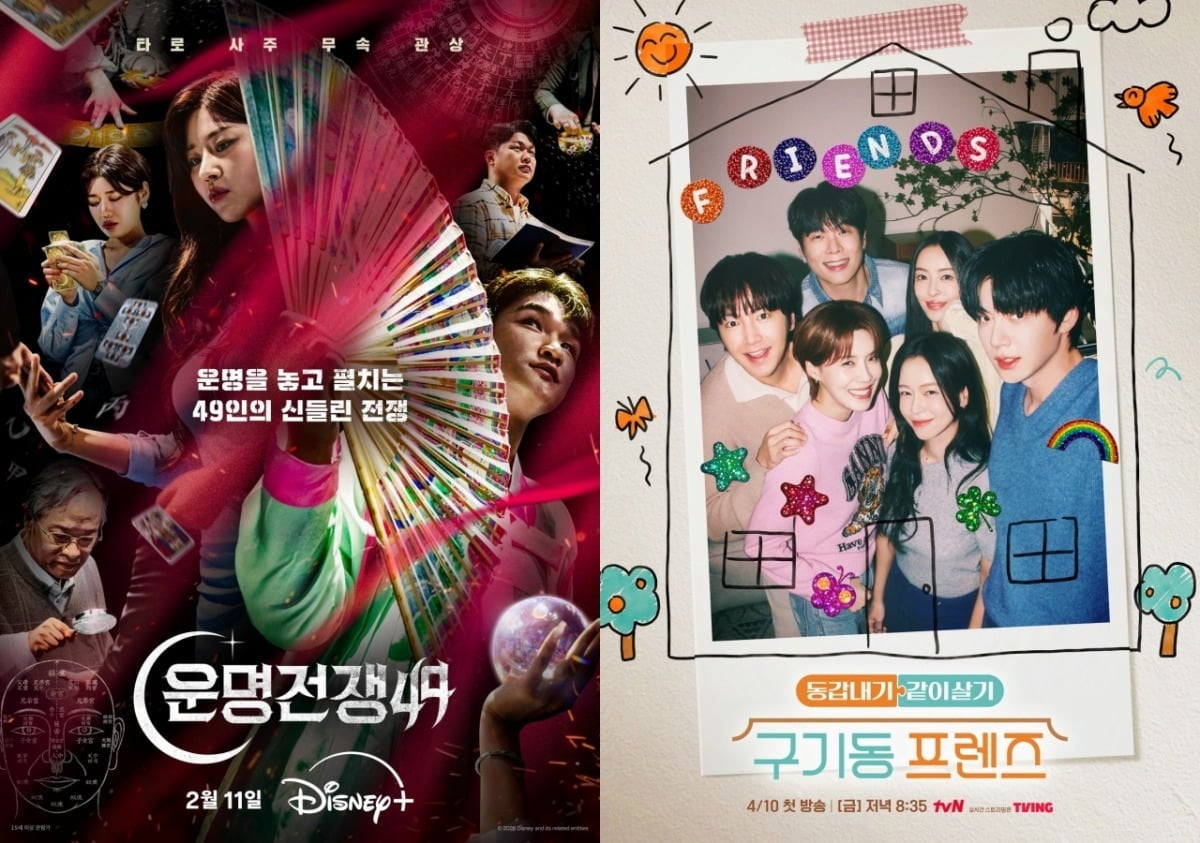
The broadcasting industry is treating fortune-telling and shamanism as a guaranteed formula for success, consuming them excessively. Beyond just using divination as a variety show device, the repetitive use of provocative personal stories and intense reactions is leaving viewers exhausted. Some are calling this “lazy planning” by producers.
From programs featuring shamans at the forefront, like Disney+’s ‘Fate War 49’ and SBS’s ‘Shin-ppal Talk Show’, to various other variety shows, fortune-telling and divination have become familiar tropes. With scenes of reading fortunes for counseling or luck checks appearing constantly, shamanism is now seen as a standard variety show grammar.
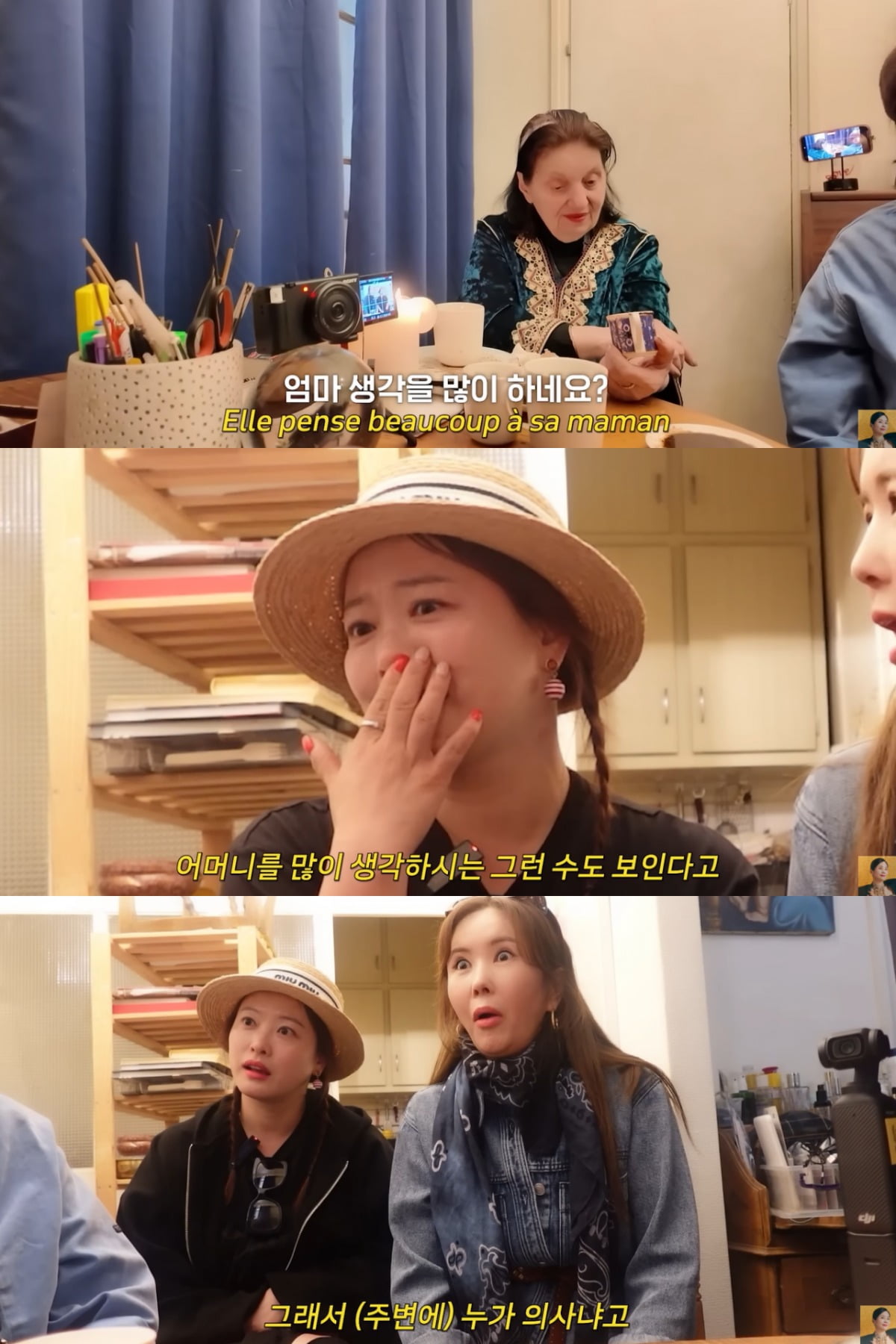
For production teams, shamanism is an efficient tool to boost entertainment. A single session with a shaman can naturally draw out a cast member’s personal history and emotional shifts, securing unexpected reactions, tears, and tension. Additionally, the growing interest in shamanism among viewers in their 20s and 30s makes it a highly preferred subject for creating buzz.
However, as similar formats continue to pop up, viewer fatigue is growing. Shamanism-related content is spreading rapidly across all media. The web variety show ‘MMTG’, which has 2.02 million subscribers, held a live broadcast with shamans Noh Seul-bi and Lee So-bin in March, and invited Lee So-bin again a month later. Both contents attracted attention with provocative captions like “Ghost appears during live.”
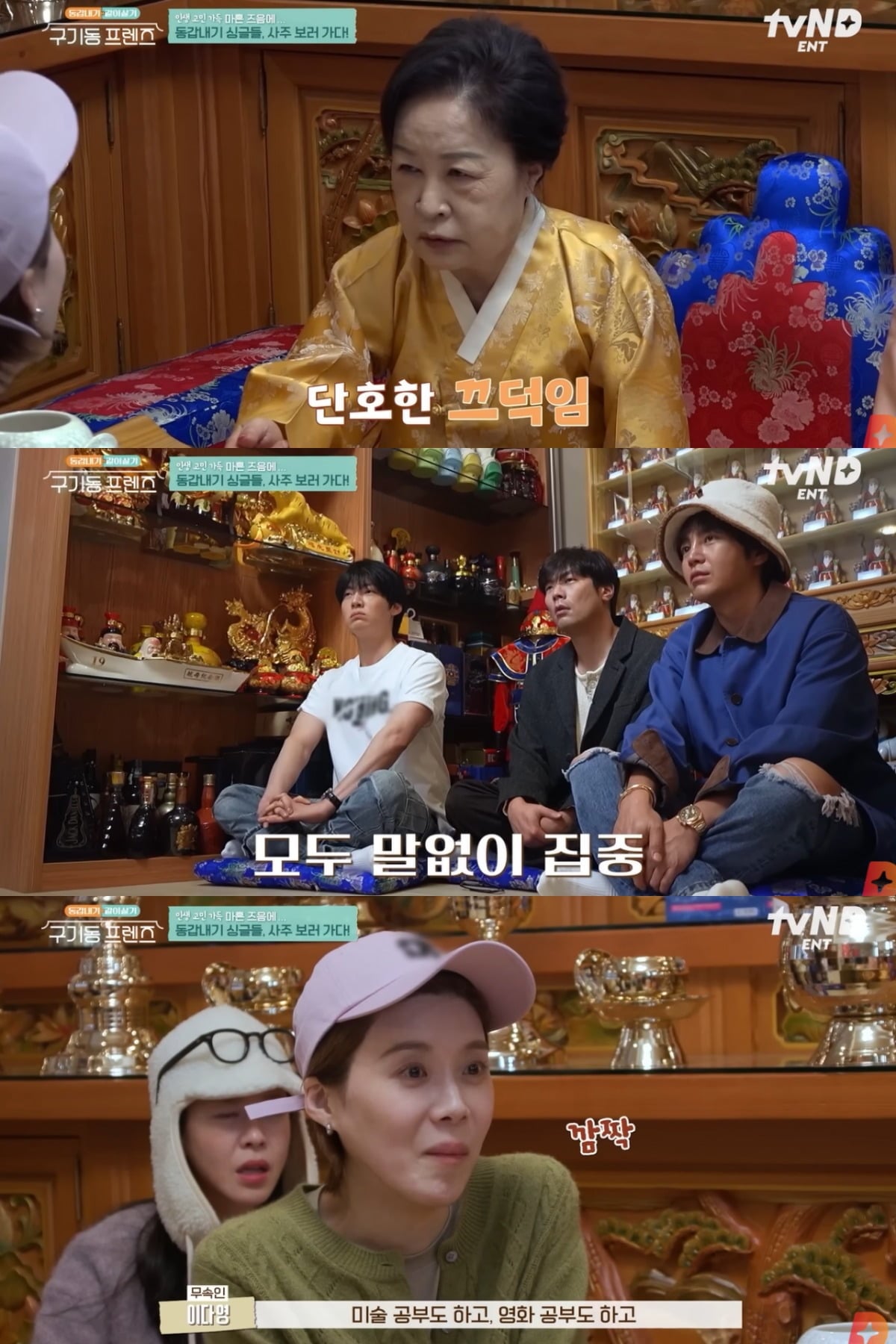
Shamanism has also become a staple in observation variety shows. tvN’s ‘Gugidong Friends’ chose a fortune-telling session as the first activity for its cast. In particular, the scene where actor Ahn Jae-hyun shed tears after his reading became a hot topic. This structure allows the personal stories and pain of celebrities, which are usually hard to discuss, to be naturally exposed and consumed through the device of shamanism.
The YouTube channel ‘A-Class Jang Young-ran’, with 750,000 subscribers, has released three shamanism-related videos this year. While some videos included captions stating “there is no intention to encourage superstition,” it’s hard to assume all viewers see this as mere entertainment. Especially on platforms like YouTube, where fans actively consume content from their favorite stars, the cast’s reactions—agreeing or empathizing with the readings—might be accepted more naturally by the audience.
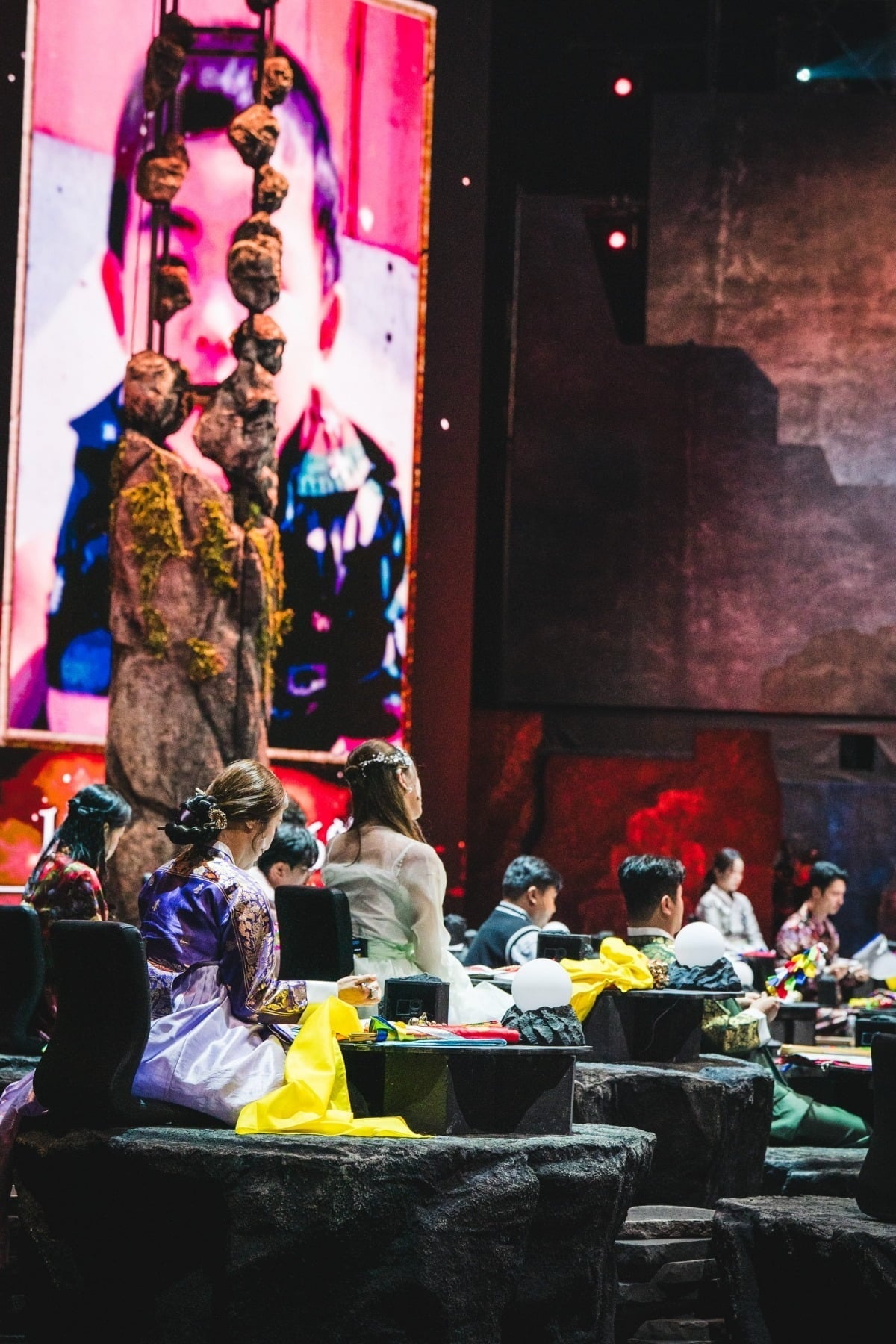
Some shamanism content has been criticized for crossing the line. Disney+’s ‘Fate War 49’ came under fire for using deceased police officers and firefighters as mission material for shamans. Critics point out that the pursuit of buzz is leading to provocative settings and directing that go too far.
Article 41 of the broadcasting review regulations states, “Broadcasting shall not encourage superstition or unscientific lifestyles.” It further specifies that when dealing with fortune-telling, divination, or physiognomy, it should not be perceived as a universal method for predicting life. Even if producers use shamanism for simple fun, critics argue that the content itself can influence viewers. This is why there are calls to stop the current trend of repeatedly consuming shamanism by triggering anxiety and exploiting provocative personal stories.
There are also concerns that if unverified areas are excessively consumed as core entertainment elements, it could affect some viewers’ judgment of reality. The current trend of the broadcasting industry repeatedly using shamanism can only be read as “lazy planning” that relies on easy ways to secure buzz.
![[Exclusive] ‘Backstabbing Villain’ Ok-soon of I am Solo Season 31 Won’t Be Edited Out Next Week; Final Choice Set for May 27!](https://t1.daumcdn.net/news/202605/14/starnews/20260514170906816cxlq.jpg "[Exclusive] 'Backstabbing Villain' Ok-soon of I am Solo Season 31 Won't Be Edited Out Next Week; Final Choice Set for May 27! 5")