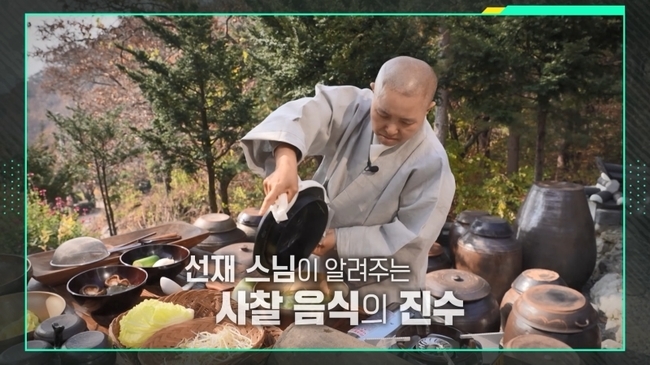
“Issue PICK Teacher and Together” is preparing a special episode for Buddha’s Birthday!
The 281st episode of KBS 1TV’s “Issue PICK Teacher and Together,” airing on May 24, will feature a segment titled “3,000 Years of Wisdom to Save Body and Mind, Temple Food.”
Nowadays, our tables are increasingly filled with foods that chase stimulation and speed. The recent trend toward health foods, veganism, and slow-aging diets stems from the desire to “eat well and live well.” However, while we worry about what to eat, we rarely ask why we eat. Temple food is more than just a vegetarian diet; it is a culinary culture embodying the philosophy of respect for life, moderation, and letting go.
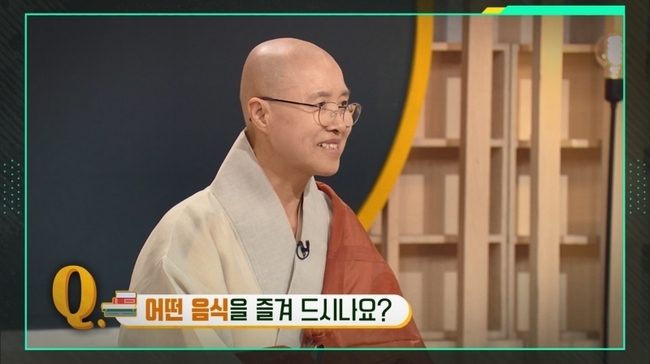
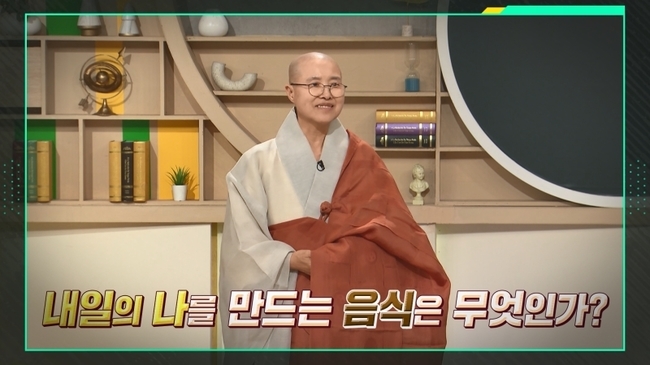
It is time to reflect on the “act of eating” not just as consumption, but as a practice to save ourselves and care for our bodies and minds. To celebrate Buddha’s Birthday, the show has invited Ven. Seonjae, Korea’s first Temple Food Master, as a speaker to help us re-examine our dining habits through the attitude and philosophy of temple food.
“Temple food is the life of the entire universe”
Ven. Seonjae does not describe temple food as simply a vegetarian or health diet. Even a single plate of seasoned vegetables contains the connection of rain, wind, sunlight, earth, and countless lives. Therefore, eating temple food is a process of accepting the sacrifice of other lives and the mercy of the universe into one’s body, and then returning that energy as mercy to the world.
The monk also explained the difference between the currently popular vegan diets and temple food. While temple food is similar to vegetarianism in that it avoids meat, it differs from general veganism by excluding “Osinchae” (the five pungent herbs) and preserving the natural properties of the ingredients. Ven. Seonjae emphasized the importance of the heart and attitude behind the food, stating, “Just mimicking the appearance does not make it temple food.”
“Food is the best preventive medicine”
Ven. Seonjae spoke about how food can become medicine for the body and mind. He warned modern diners, saying, “It is more important to avoid eating bad foods than to eat many good foods.” He suggested a need for “selective pickiness,” where we first reduce foods that harm the body rather than just searching for “healthy” ones. He also explained that the word for seasoning, “Yangnyeom,” originates from “Yaknyeom” (medicine), showing that fermented pastes like soy sauce, soybean paste, and red pepper paste were wisdoms to help the body, not just ingredients for flavor. The value of seasonal foods and a bio-rhythm eating method, focusing on when and what to eat, will also be introduced.
The lecture also extends to children’s eating habits. Ven. Seonjae noted that the food children eat affects not only their bodies but also their emotions, character, and even their future. For children accustomed to processed and stimulating foods, what they need is not forced discipline, but “table education” that teaches them where food comes from and what life it contains.
The lecture will also re-examine “Samdeok” (the sincerity of the person making the food), “Yukmi” (the harmony of six tastes), and the value of Kimchi as a representative temple food and world-renowned fermented food. Ven. Seonjae describes Kimchi as a blend of natural ingredients, human sincerity, and the time of fermentation, introducing the deep and mysterious world of temple Kimchi.
Finally, Ven. Seonjae suggests the “3-Soshik” method as a food practice anyone can follow: Soshik (少食) meaning eating less, Soshik (素食) meaning eating plainly, and Soshik (笑食) meaning eating with a smile and gratitude. He says that when we sit at the table with the mindset that we are consuming life rather than just grabbing a meal, the future of our bodies, minds, families, and children can change.