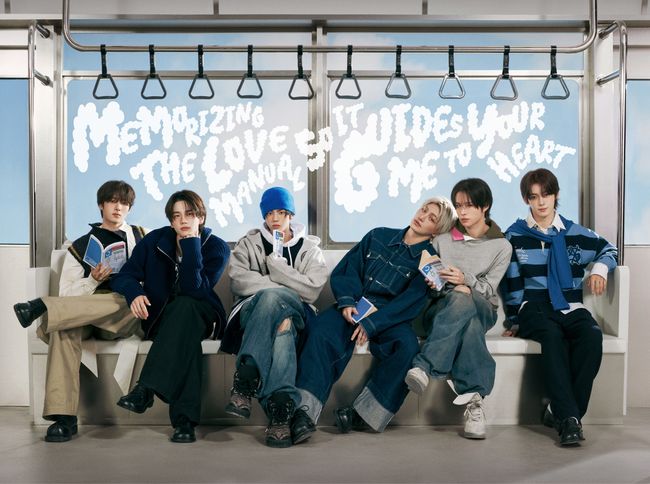
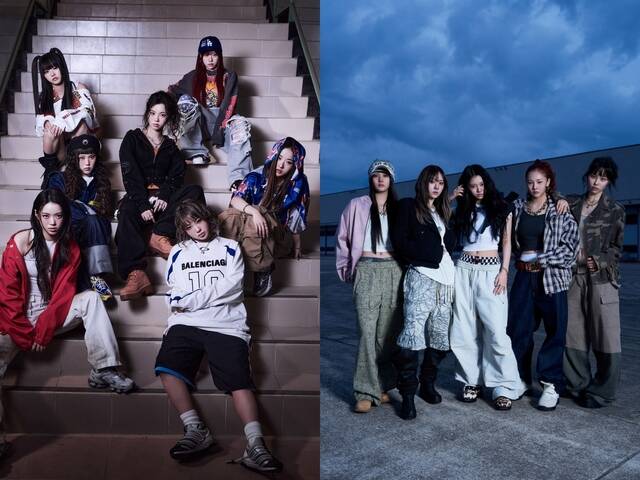
Hip hop has become an essential genre for K-pop boy groups, and hip hop musicians are expanding their horizons by teaming up with these groups.
The combination of K-pop boy groups and hip hop is a long-standing tradition, starting with first-generation icons like H.O.T. and Sechs Kies. Since then, through groups like 1TYM, BIGBANG, and BTS, the line between hip hop and K-pop has blurred even further.
For example, K-pop boy group alumni like G-Dragon, Zico, and Jay Park are active as hip hop producers. Current K-pop boy groups utilize a wide range of styles, from old-school Boom Bap to modern genres like Rage and DigiCore.
There are several reasons for this love of hip hop. First, the genre was born from DJs and frequently uses sampling, making it easy to blend with other styles. For boy groups, it creates great synergy with powerful performances, and the standard inclusion of a rapper position in group lineups also plays a role.
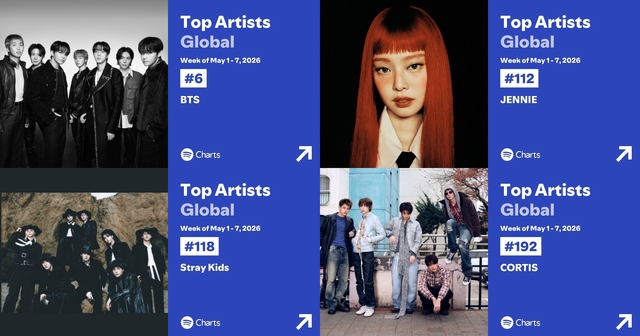
Above all, hip hop is one of the most popular genres worldwide. On Spotify’s ‘Weekly Top Artists Global’ chart from May 7, hip hop-based artists like Bad Bunny, Drake, Kanye West, and Peso Pluma dominate the top ranks.
Among the K-pop artists on that same chart—BTS, JENNIE, Stray Kids, and CORTIS—all except Jennie have their musical roots in hip hop. Given its global popularity and successful precedents like BTS and Stray Kids, the ability to master hip hop has become a necessity rather than a choice for K-pop boy groups.
This raises a question about the popularity of hip hop as a standalone genre. Despite its high preference within K-pop, hip hop as a genre isn’t performing as strongly on the charts.
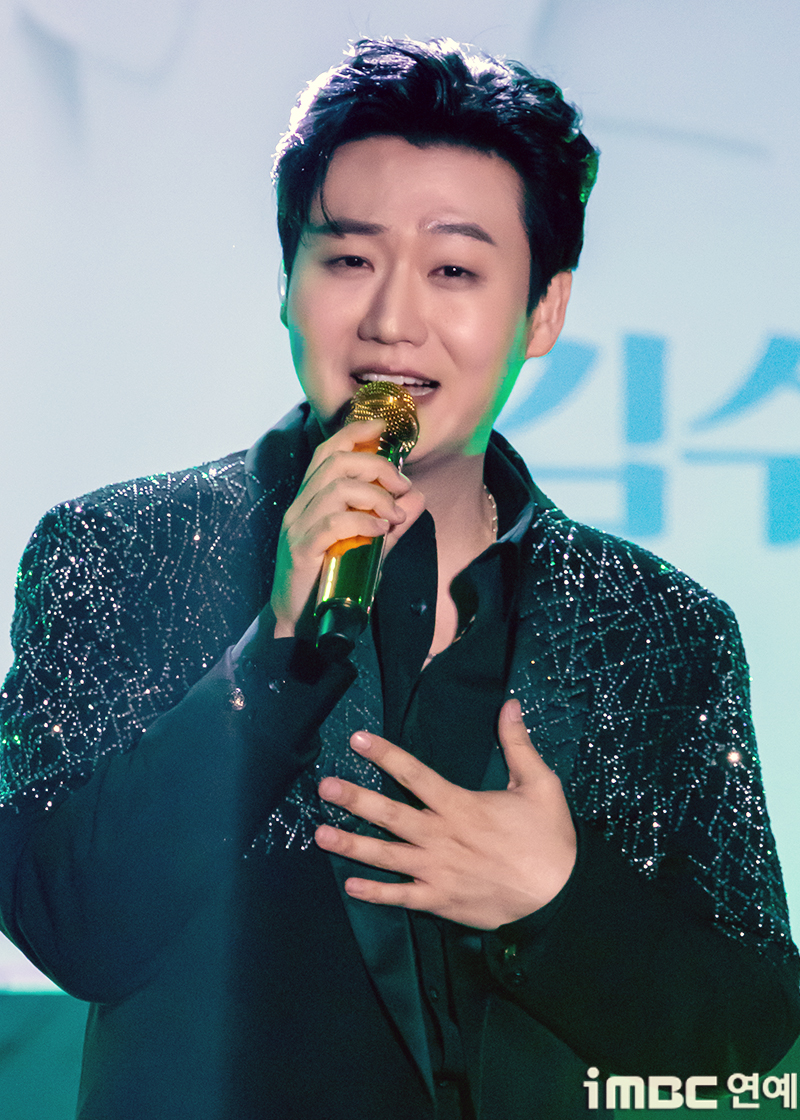
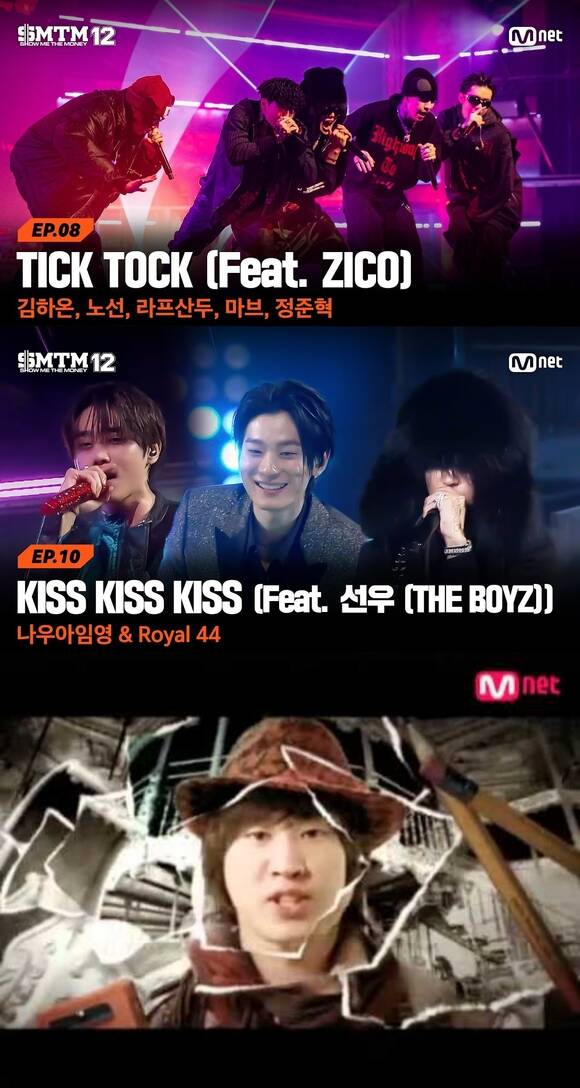
On the Melon daily chart from the 14th, the only songs classified as hip hop (rather than K-pop) are ‘TICK TOCK’ by Kim Haon, Nosun, Rafsandu, Mav, and Jung Jun-hyuk; ‘KISS KISS KISS’ by NowIAmYoung; and ‘Love Love Love’ by Epik High. Even then, ‘TICK TOCK’ and ‘KISS KISS KISS’ are mission songs from Mnet’s ‘Show Me The Money 12,’ and ‘Love Love Love’ was released back in January 2007.
This subtle imbalance between hip hop in K-pop and hip hop as a standalone genre is even more puzzling when compared to the recent rise of band music.
In the band scene, the massive success of acts like DAY6 and QWER is seen as creating a synergy that boosts the popularity of band music as a whole. For instance, festivals centered on band music have seen growth in both attendance and revenue over the past few years.
In contrast, it’s hard to say that the popularity of BIGBANG, BTS, or Stray Kids has translated into a general surge in popularity for the entire hip hop scene.
Regarding this, an executive from a hip hop label, referred to as ‘A,’ told THEFACT, “You can’t simply compare two genres with different consumer bases and situations. Also, events like the ‘Hiphopplaya Festival’ and ‘Rapbeat Festival’ are held consistently and are growing in scale.”
Executive A emphasized that the influence of hip hop musicians on the Korean music industry is actually increasing. They explained, “For example, Penomeco and Lil Moshpit participated as writers for BOYNEXTDOOR’s new album, and Synth and Utan were involved in writing lyrics for NMIXX’s ‘Heavy Serenade.’ Many hip hop musicians, including IOAH, Jay Park, and Gaeko, are handling the producing for K-pop groups.”

Additionally, Executive A noted, “I believe every genre has a music cycle. Hip hop has hit its peak, and I think it’s now in a period of expanding its base and fusing with other genres. It’s true that some negative perceptions have arisen due to various issues during this process. However, there are many hip hop musicians who silently focus on their music and consistently deliver great results. I hope more attention is paid to that.”