In the first half of this year, ‘Mumeong Jeonseol’ is on the rise, while ‘Hyeon-ga 3’ and ‘Miss Trot 4’ are seeing a dip. The shadow of a system relying on recognition rather than hit songs is starting to show.

Of course, Trot auditions left a positive legacy. Most notably, they expanded the reach of Trot, which was once seen as ‘music for the middle-aged.’ By combining a youthful sensibility with compelling narratives, these shows attracted a wide audience from their teens to their 60s.
Another win was the democratization of the star system. While the music industry was previously a closed structure centered around agencies, Trot auditions opened a path for unknown singers and amateurs to become national stars. Lim Young-woong, Lee Chan-won, Young Tak, and Kim Ho-joong are prime examples of this success.
We can’t forget how they reshaped fandom culture. As the idol-centric fandom structure expanded to Trot, ‘Active Seniors’ emerged as a new powerhouse of consumption. This led to explosive growth in the concert market. National tours following the broadcasts consistently sold out, creating a new revenue model that offset production costs. It’s impressive how they built an industrial ecosystem linking ‘broadcasts, concerts, and merchandise.’
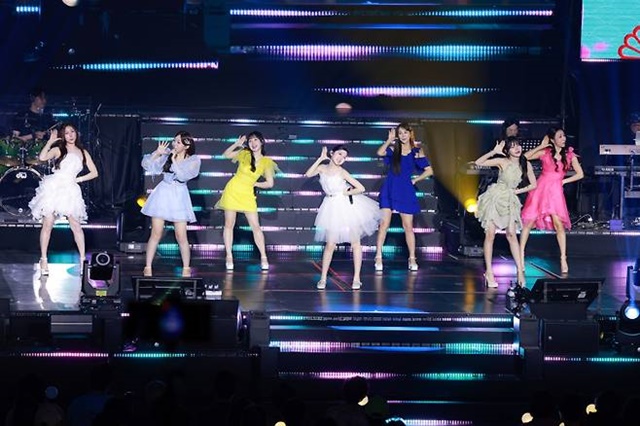
However, where there is bright light, there are deep shadows. The first issue is format fatigue. With similar audition structures repeated for six years, viewers no longer find them fresh. In particular, ‘recycled casting’—where contestants who failed or were overlooked in previous seasons reappear—has significantly lowered the tension. The essence of an audition is ‘discovery,’ but now ‘reappearance’ has become the norm.
This also stems from the ‘depletion of available resources.’ Most of the talented unknown singers and amateurs across the country have already been exhausted through multiple seasons. This naturally leads to a drop in the quality of participants and the overall polish of the programs. This is why some critics say it’s ‘more of the same.’ Without new faces and fresh stories, auditions struggle to remain convincing.

Another reason is the ‘paradox of the star system.’ A structure where singers gain instant fame through auditions and receive ‘star treatment’ without sufficient musical growth risks lowering the quality of content in the long run. Standing on stage based on recognition alone, without hit songs, creates a ‘consumptive cycle’ dependent on fandom, leading to overall market fatigue. These flash-in-the-pan stars are quickly overshadowed or forgotten when new faces appear in subsequent programs.
These problems are most evident in the ‘flow of money.’ National tour concerts, once guaranteed hits, have noticeably lost their momentum. The poor attendance at the ‘Miss Trot 4’ Seoul performance and the shrinking of regional shows are symbolic examples. A concert market that once saw rights traded for billions of won is now worrying about breaking even. ‘Hyeon-ga 3’ has also faced inevitable reductions or cancellations in regional tours, except for the Seoul show. The virtuous cycle between broadcasting and performing has cracked.

Interestingly, some cases show a completely different trend despite being Trot auditions. ‘Mumeong Jeonseol’ has proven strong ticket power from the start, achieving results that contrast with existing programs. The high sales immediately upon ticket opening can be interpreted as a thirst for a ‘new format’ rather than just fandom power. The battle between famous and unknown singers, the narrative tension, and a structure closer to ‘true discovery’ have increased viewer immersion.
‘Mumeong Jeonseol’ shows this clearly. Viewers still love Trot, but they are no longer enthusiastic about stories repeated within a familiar frame. There is a need for new narrative structures, differentiated competition methods, and systems that can enhance musical quality. At the same time, we must consider sustainable growth models for artists after the audition. The next step is creating ‘content-driven singers’ who can lead the music market long-term, rather than just creating one-hit wonders.
Six years ago, Trot auditions were the relief pitchers that breathed life into a stagnant music variety scene. Now, that very success formula is becoming a shackle. Formats that do not evolve eventually fade away. The changing atmosphere in the concert industry this half-year is already sending signals. The rise of ‘Mumeong Jeonseol’ compared to the decline of ‘Hyeon-ga 3’ and ‘Miss Trot 4’ is more than just a matter of popularity. Audiences are cold, and their choices always accurately point the direction of the market.