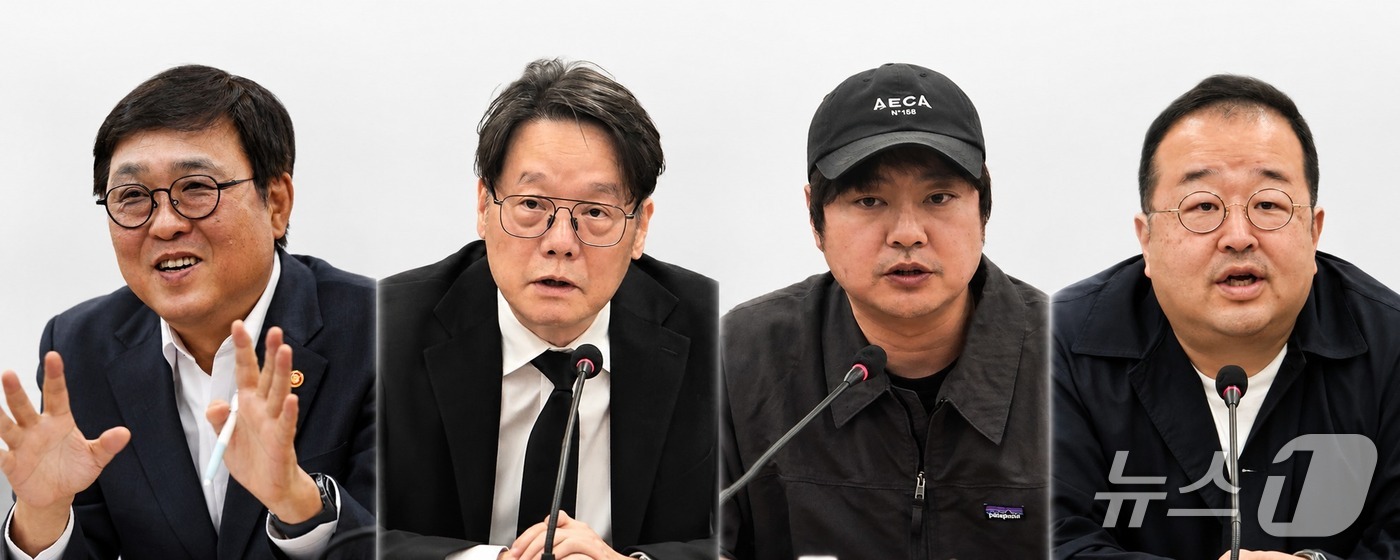
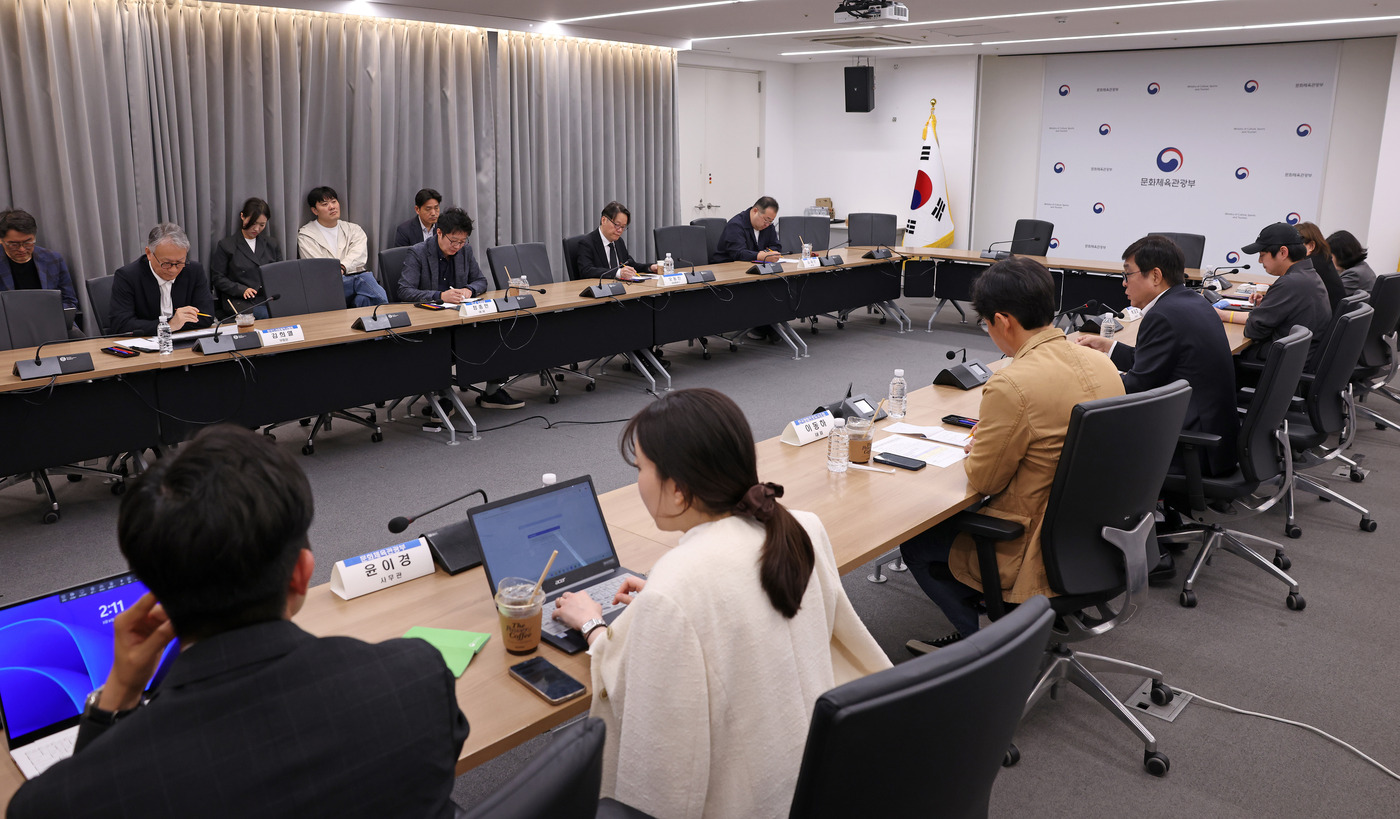
The Ministry of Culture, Sports and Tourism (MCST) held the 3rd meeting of the Movie and Video Division of the Cultural Arts Policy Advisory Committee at the National Museum of Modern and Contemporary Art in Seoul on the 6th. The group discussed the formation of a “Hold-back” consultative body, international co-productions, support for dramas and IP, and ways to get more people back into theaters. Minister Choi Hwi-young attended the meeting to hear direct feedback from the industry and review the policy direction for 2027.
The “Hold-back” issue has become a hot topic in the film industry. It refers to the grace period between a movie’s theatrical release and its move to other platforms like OTT or VOD. Theaters argue that a mandatory hold-back is essential to prevent audience loss and maintain a healthy industry cycle. On the other hand, small-to-medium producers and distributors strongly oppose this, citing the need for quick profit recovery and the right of viewers to choose.
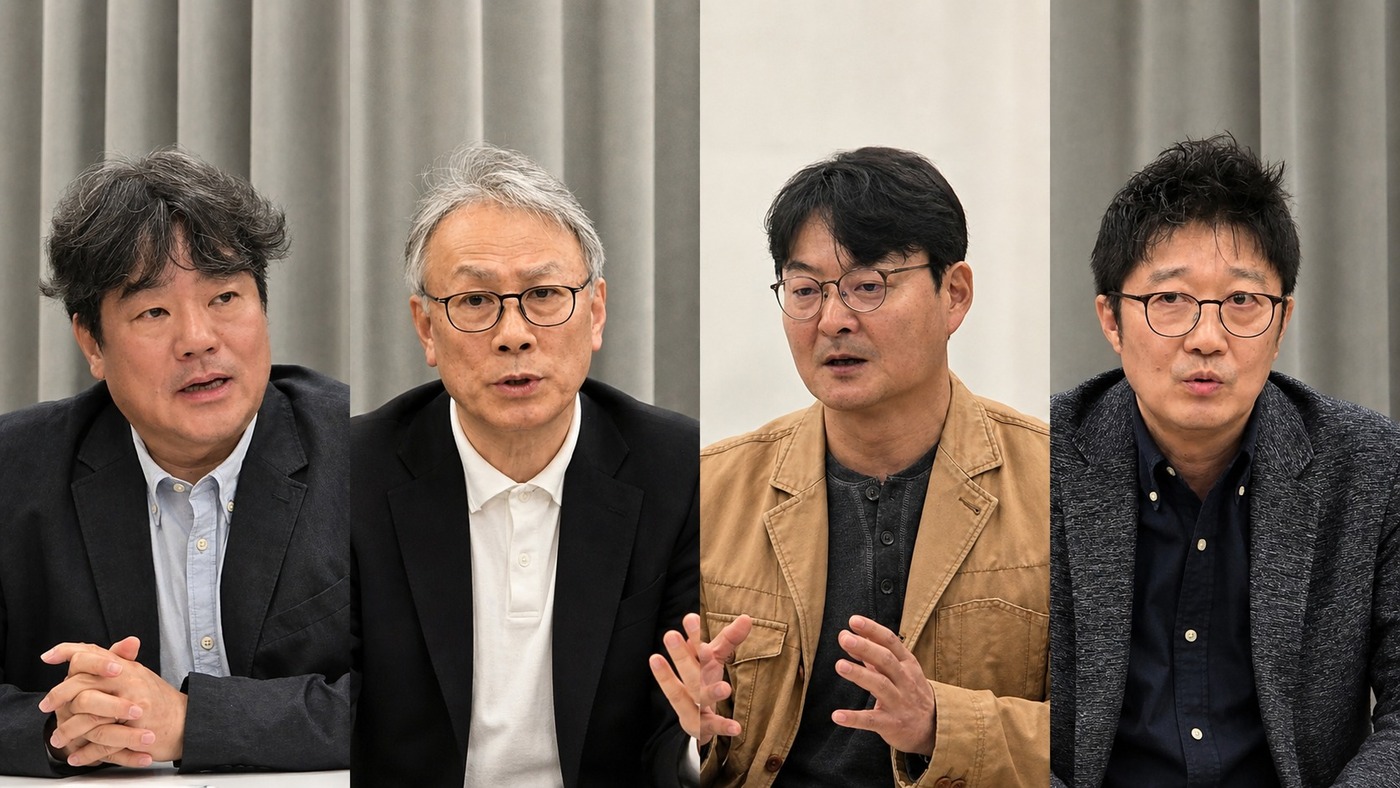
Minister Choi Hwi-young announced that a public-private consultative body regarding hold-backs will be formed this month. He mentioned that related issues, such as screen quota limits, will also be discussed, and emphasized that the Ministry will not simply gather people who agree with a pre-determined direction.
Film critic Oh Dong-jin noted, “Since the hold-back issue is so polarizing, the nature of the consultative body will change depending on who participates.” He suggested that the committee should consist of people actively working on productions to ensure a balanced discussion.
Minister Choi emphasized that the body should not become a formal organization that just wastes time. The meeting concluded that hold-backs should not be treated as an isolated issue but viewed within the overall institutional structure of the film industry.
Baek Jae-ho, Chairman of the Korean Independent Film Association, stated that multi-year budget execution must be structurally possible for international co-productions. Kim Hee-yeol, Vice Chairman of the Korea Drama Producers Association, added that the current single-year project structure, which requires funds to be spent and results delivered by late October, does not align with actual production cycles.
Opinions were shared regarding support for mid-budget films. Kim Jae-min, CEO of NEW, said, “Receiving a subsidy doesn’t necessarily lead to market investment,” and suggested that the scale and distribution method of support need more scrutiny.
Chairman Baek added that funds should not be pushed into large commercial films under the guise of “mid-budget” just to avoid unused budgets. Meanwhile, Minister Choi explained, “While production demand is widespread, with over 300 scenarios submitted for contests, the more urgent problem was the lack of cash flow in the market.”
The Ministry announced that 3 billion KRW has been reflected in this year’s main budget for international co-productions, allowing support for six projects at 500 million KRW each. Minister Choi shared that Italy, under Prime Minister Meloni, and India, under Prime Minister Modi, had previously proposed activating joint film productions.
France has proposed co-hosting a film and video summit in Paris this September. Minister Choi stated that such a proposal from a country like France is highly symbolic and could serve as a catalyst for the Korean film and video industry to leap to the next level.
Chairman Baek suggested a structure where various independent and art films are screened more frequently in multiplexes, encouraging audiences to visit theaters more often. He also proposed long-term programs, such as regional residencies and producer matching, focusing on exchange between directors and creators rather than short-term results.
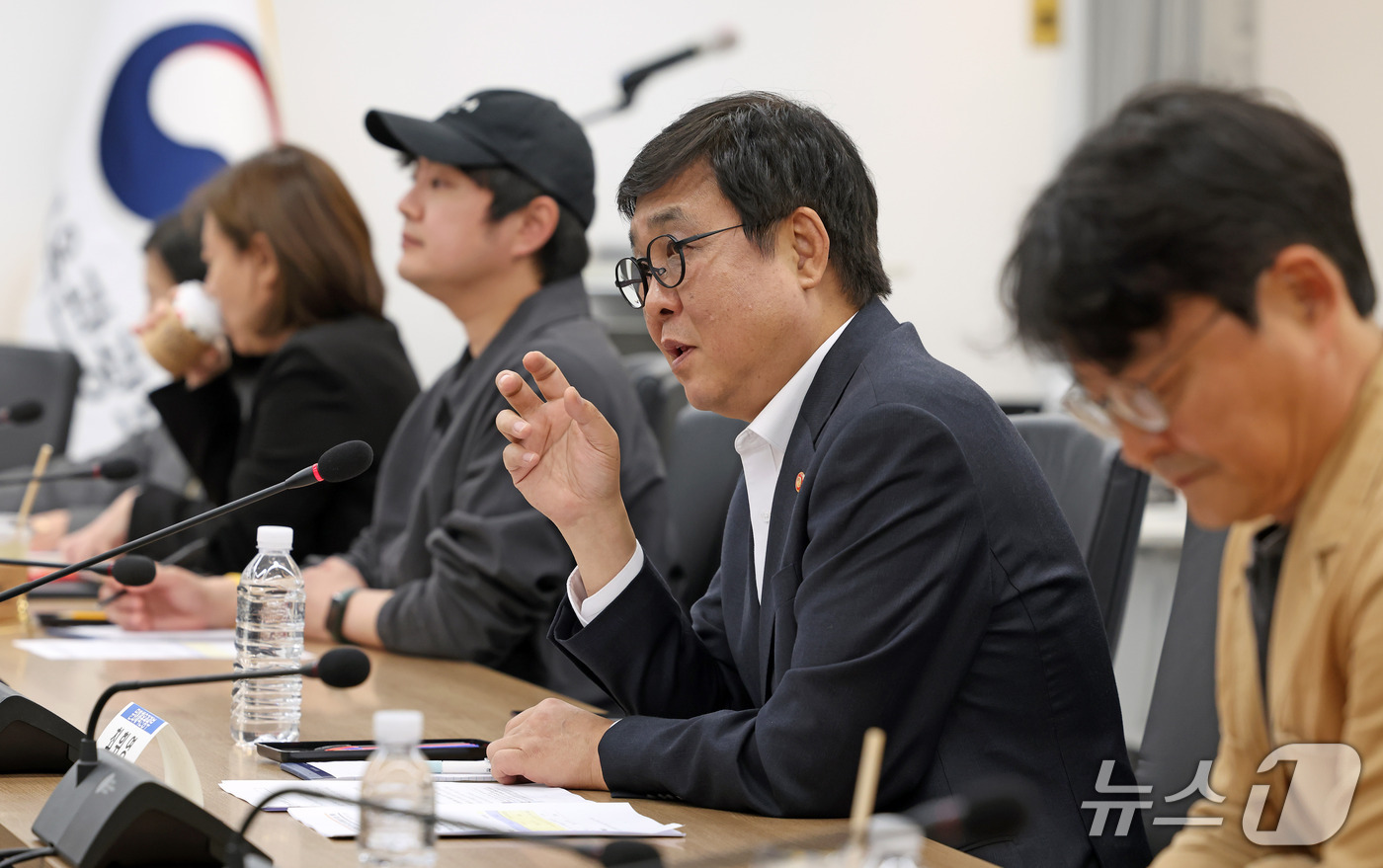
Minister Choi acknowledged that there is still room for improvement in the video sector, especially dramas, and revealed that the Ministry is preparing to increase the subsidy cap per project. This plan will be reflected in next year’s budget.
Baek Heon-seok, CEO of EL TV, said, “While dramas may currently be seen as a second or third priority industrially, they are a genre with great potential in terms of sustainability and global IP expansion.” He added that recent works have sparked interest from overseas viewers who want to visit Korea after seeing its seas, food, and locations.
CEO Baek argued that support for securing IP is not enough and that follow-up support is needed to connect secured IP to tourism or other industries for secondary and tertiary expansion. Minister Choi agreed, stating, “Movies and videos capture the lives of Korean people, and the next stage of the value chain eventually leads to tourism.”
Choi Seong-hee, Director at the Ministry, stated that next year’s projects will strengthen the structure for IP expansion beyond simple production for each genre. The meeting also suggested grouping drama support and tourism linkage strategies as a separate task.
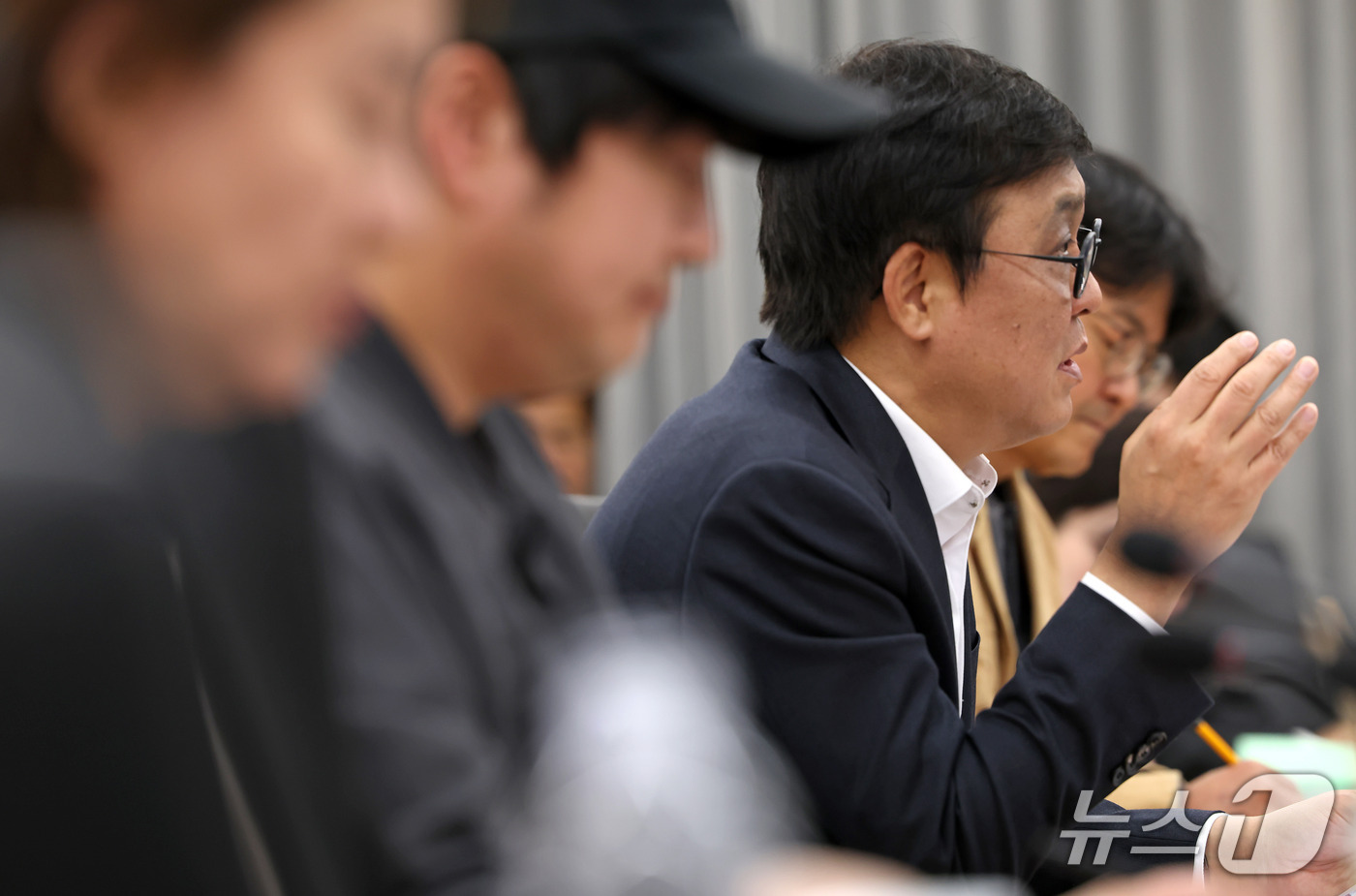
The Ministry plans to execute the budget for movie ticket discounts starting from “Culture Day” next week. Using 27.1 billion KRW secured through a supplementary budget, they will distribute over 4.5 million tickets with a discount of 6,000 KRW per person. They also discussed expanding the “You and Spring” project linked to school education.
Funding methods were also on the agenda. Minister Choi explained that the budget for the film and video sector has increased by 23.1% compared to last year, including the supplementary budget. He also noted that the loan account of the Korea Creative Content Agency now has a clear legal basis following the amendment of the Culture Industry Promotion Act in March.
The Ministry announced the formation of the “K-Content Media Strategic Fund” worth 259 billion KRW to invest heavily in the film and video sector. To reduce the burden of loss for private investors, the priority loss coverage rate of the Mother Fund will be increased from 15% to 20%.
Managers for this year’s 84.4 billion KRW Mother Fund film account have already been selected. Minister Choi stated, “I deeply feel the hardships and anxiety of the industry hidden behind the success of our film and video sector,” and promised to prepare policies that provide practical help.
Meanwhile, the advisory committee is a group of nine divisions launched on November 10, 2025, under the Minister of Culture, Sports and Tourism. The Movie and Video Division includes nine expert members from production, distribution, investment, and exhibition. This 3rd meeting reviewed follow-up actions from previous meetings and the budget direction for 2027.
![[Official] Yeom Hye-ran’s Powerhouse Performance Wins Big! ‘My Name Is’ Takes Home Audience Award at Udine Far East Film Festival](https://t1.daumcdn.net/news/202605/03/SpoChosun/20260503180351275hfju.jpg "[Official] Yeom Hye-ran's Powerhouse Performance Wins Big! 'My Name Is' Takes Home Audience Award at Udine Far East Film Festival 6")