While historical dramas, or sageuks, are built on imagination, they rely heavily on history, making basic research and historical awareness essential. Despite this, some works have faced fierce criticism for distorting history, sometimes leading to the actors themselves issuing public apologies.
From tvN’s ‘Mr. Queen’ in December 2020 to SBS’s ‘Joseon Exorcist’ in 2021, and most recently MBC’s ‘The 21st Century Grand Prince’s Wife,’ historical distortion has been a recurring and chronic issue for the genre.
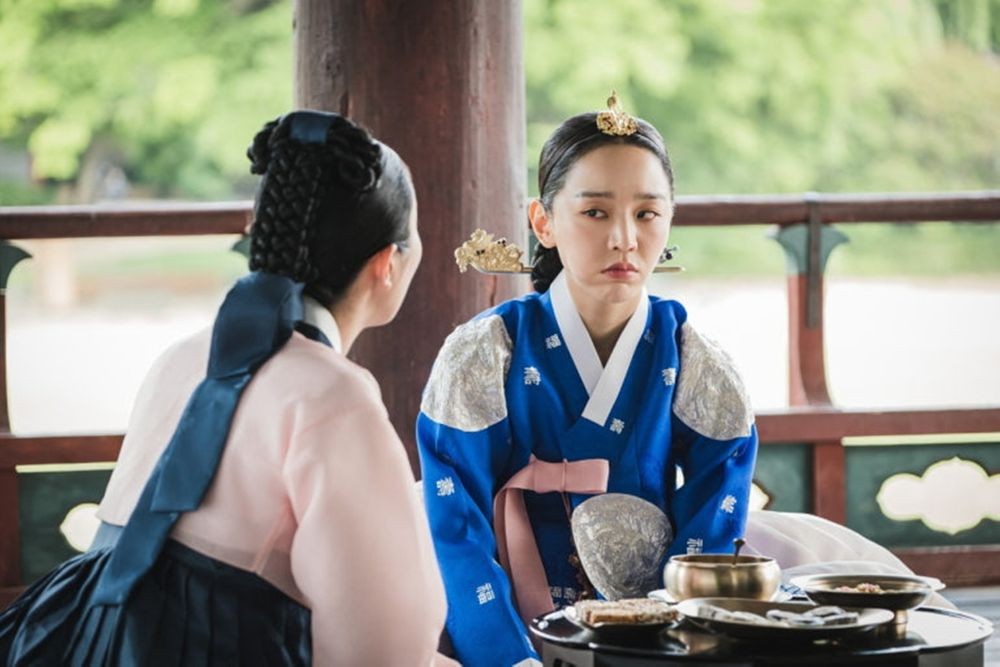
The ‘Annals of the Joseon Dynasty’ Blunder: The Painful Mistake of ‘Mr. Queen’
Airing from December 2020 to February 2021, tvN’s ‘Mr. Queen’ was embroiled in controversy from the start. A line claiming that “the Annals of the Joseon Dynasty are mere gossip” sparked outrage for belittling the value of the annals, which are a UNESCO World Memory of the World. Combined with the settings of the original Chinese web novel, critics pointed out that the show caricatured Joseon’s history and real-life figures. In particular, the comedic reinterpretations of King Cheoljong and Queen Sunwon led many to feel that the show had crossed the line between satire and distortion.
As the controversy grew, the production team deleted the problematic line and issued an official apology, stating they had no intention of distorting history. While the show was a commercial success, recording a finale rating in the 17% range, it left behind a significant debate over how much imagination is permissible in content based on historical events.
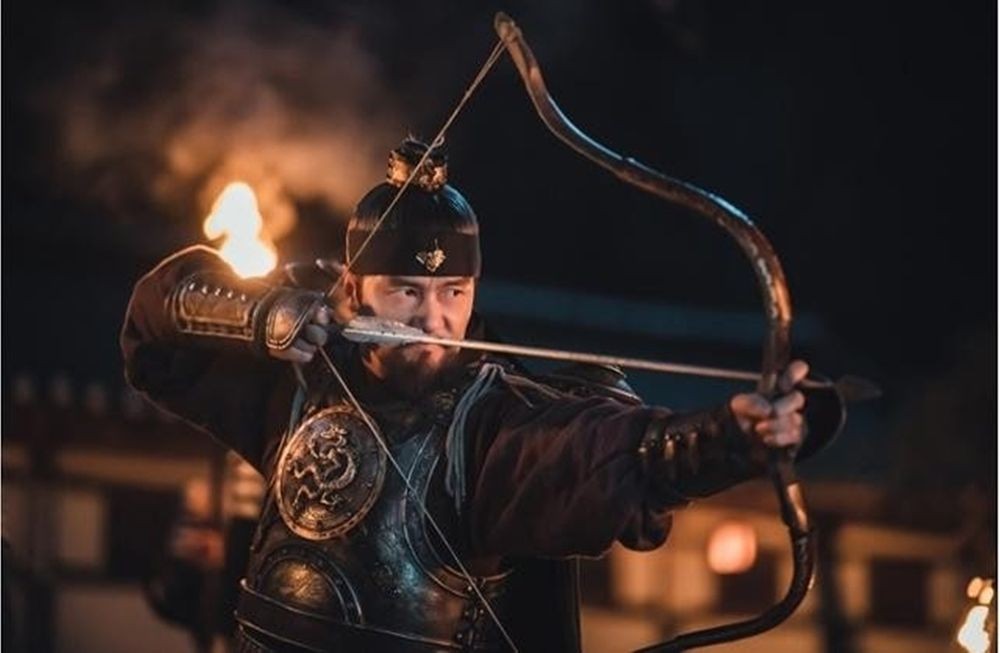
Chinese Props and Twisted History: ‘Joseon Exorcist’ Gone in Two Episodes
SBS’s ‘Joseon Exorcist,’ which aired in March 2021, remains one of the most extreme cases of historical distortion. Despite featuring real figures like King Taejong and Grand Prince Chungnyeong, the show featured Chinese-style food and props and portrayed King Taejong as a tyrant, sparking intense backlash. Consequently, advertisers withdrew their support, and SBS made the unprecedented decision to cancel the entire broadcast after only two episodes.
As the scandal escalated, the cast members also posted apologies. Jang Dong-yoon bowed his head, stating, “I did not fully realize that this work would be so problematic” and “I was foolish and complacent.” Park Sung-hoon also apologized, saying he failed to correctly judge the boundary between creation and distortion, while Lee Yu-bi expressed reflection over her ignorance regarding the historical distortions. Gam Woo-sung also apologized to the public as both an actor and a member of the production team.
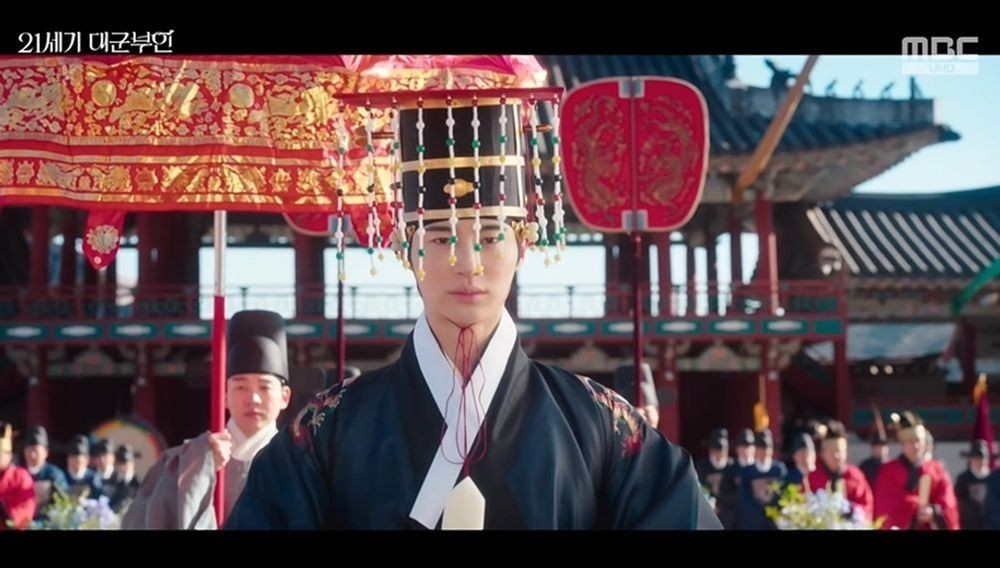
Admitting to Being a Vassal State? The Unforgettable Stain of ‘The 21st Century Grand Prince’s Wife’
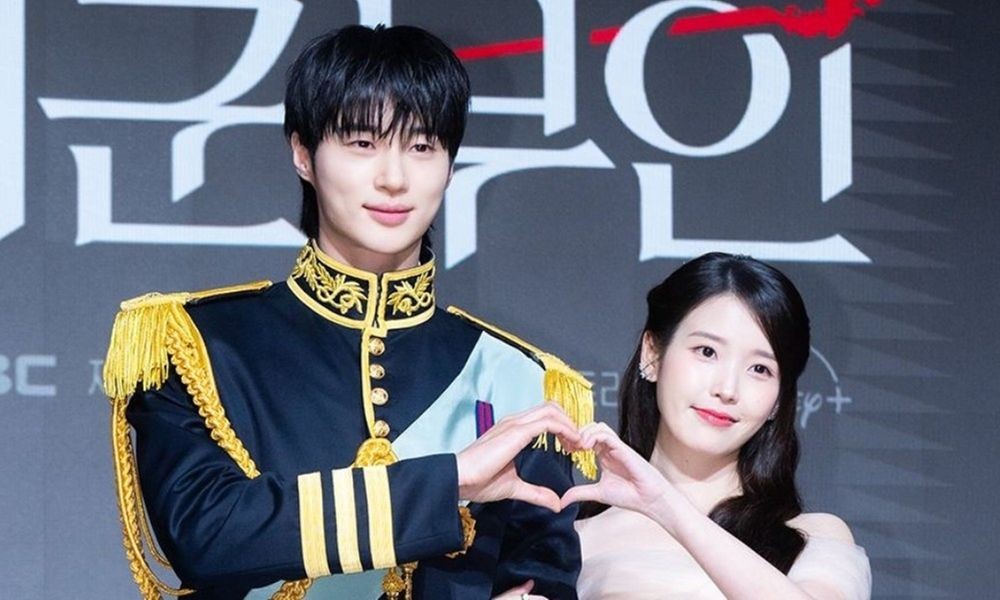
MBC’s ‘The 21st Century Grand Prince’s Wife,’ which ended this past May, was a hit with a peak rating of 13.8%, but it could not avoid controversy over historical accuracy. During Prince Ian’s coronation, the term “Cheonse” was used instead of “Manse,” and a nine-ringed crown, which symbolizes a monarch of a vassal state, appeared, leading to criticism that Korea was being depicted as a vassal of China. Scenes featuring Chinese-style tea ceremonies and other settings also drew fire, escalating into a controversy over the Northeast Project. These scenes were heavily covered by media in China, Taiwan, and Hong Kong, with some reports interpreting it as “Korean dramas admitting that they were a vassal state of China,” fueling concerns among domestic fans.
In response, the production team announced they would edit the related scenes. Lead actors IU and Byeon Woo-seok also apologized. IU stated, “I reflect on the fact that I did not think more deeply about the issue of historical accuracy” and added that she should have studied more carefully as an actor. Byeon Woo-seok also confessed, “I did not sufficiently consider the historical context and meaning of the work,” realizing that he must responsibly examine the message of a project as well as the acting.
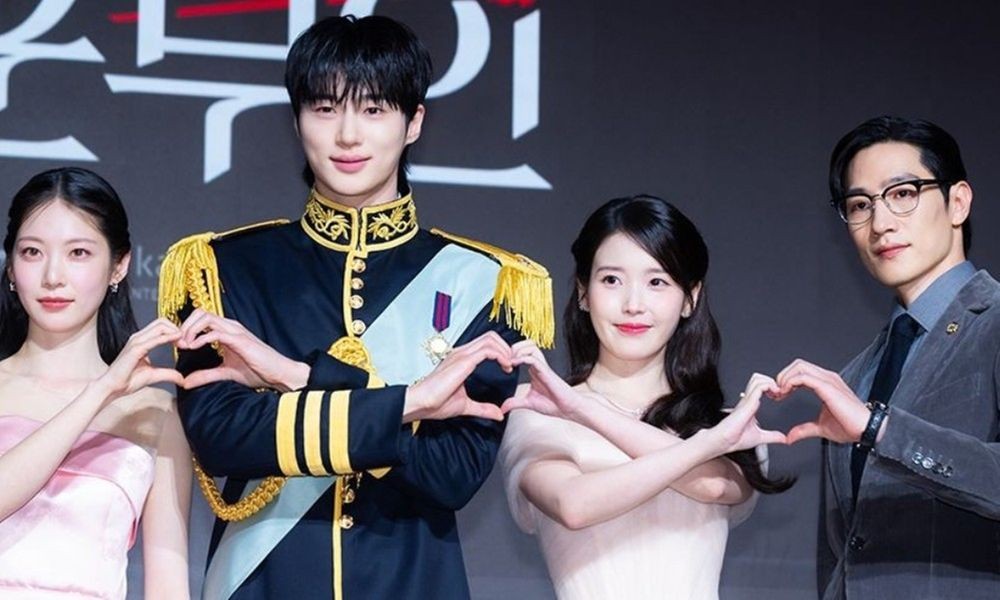
Korean historical dramas have become representative content that connects with global audiences based on a long accumulation of history and culture. Because of this, the responsibility toward history is as heavy as the freedom of creation. A single prop or a single line can be perceived as distortion by domestic viewers and convey a wrong perception of history to international audiences. While imagination is the power of content, it cannot be a free pass to lightly consume historical facts and identity. The fact that the same controversies are repeating suggests that the industry has not sufficiently reflected on past lessons. Now that the status of Hallyu has risen, the most basic principle that must come before success is respect for our history and culture.