The rules of the entertainment industry are changing. A new atmosphere is spreading where “being invisible is better” as fatigue over the consumption of private lives grows, leading to a reduction in live streams, variety show appearances, and SNS activity.
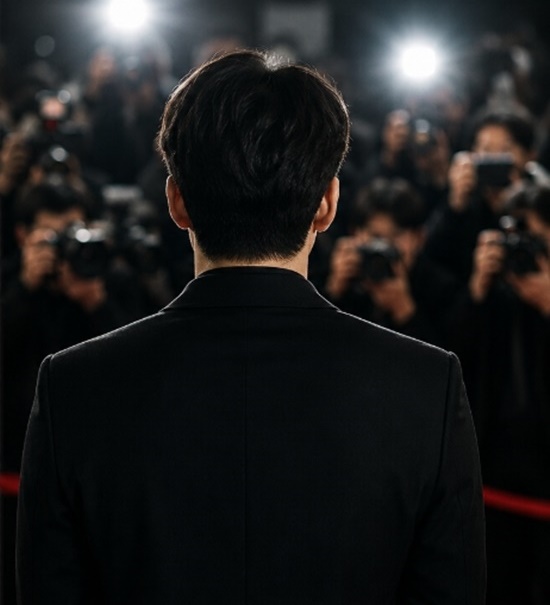
The current mood has shifted noticeably. These days, the trend is that celebrities who are cautious with their words and minimize the exposure of their private lives can maintain a more stable image than those who reveal too much. In fact, many top-tier actors and idols have significantly reduced the frequency of their SNS posts, and live broadcasts are increasingly being operated limitedly under agency management.
Appearances on variety shows are also changing. Rather than unconditionally emphasizing friendliness as they did before, stars are now selectively choosing programs that carry “low image risk.” Within and outside the industry, this is being called the “Quiet Star Strategy.” While survival once depended on maximizing exposure to establish a presence, ironically, we have entered an era where survival means not revealing too much.
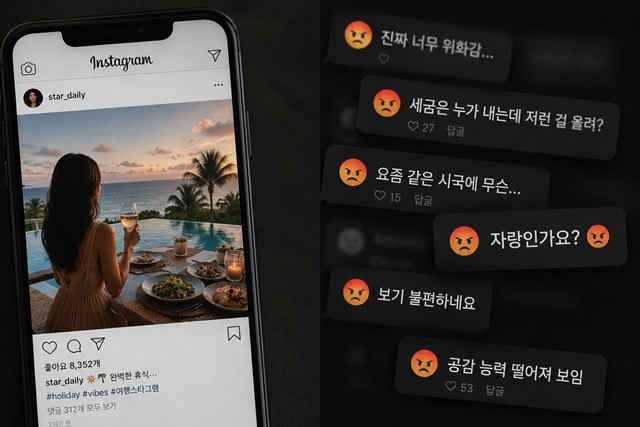
Why is this change happening? The biggest reason is that the SNS environment itself has evolved. While SNS used to be a direct channel for connection between fans and stars, it is now more like a massive public stage where real-time verification, surveillance, and the spreading of captures happen simultaneously. A single photo, a short comment, or even a slight facial expression can be over-interpreted. Not infrequently, these are consumed as material for controversy, regardless of the original intent.
Especially with the spread of short-form platforms, context is gradually disappearing. 10-second videos, a few lines of subtitles, or cropped images of specific scenes spread in an instant. This naturally leaves only the most provocative parts rather than the original intent. Consequently, stars cannot help but feel that “the more they show, the more dangerous it becomes.” Instead of creating a sense of mystery, it simply provides ammunition for gossip.
In fact, many recent celebrity controversies have stemmed from SNS and live broadcasts rather than major crimes or social incidents. Slips of the tongue, attitude controversies, exposure of private relationships, careless expressions, mentions of specific brands, political misunderstandings, and even the background of a photo become points of contention. Things that would have been simple mishaps in the past are now amplified and reproduced through online communities and YouTube.
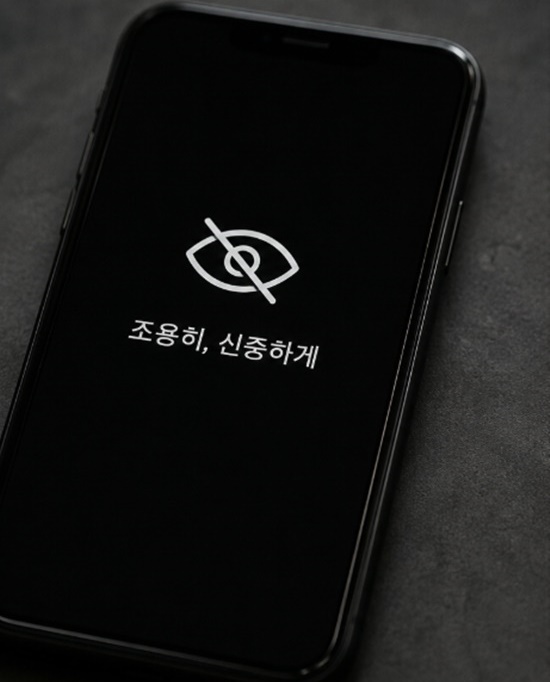
The influence of so-called “Wrecker content” is also significant. This structure, where private lives become content, has far more negative than positive aspects. The problem is that this consumption pattern causes extreme fatigue for stars. Ultimately, the chosen method is “distancing”—a strategy of moving as quietly as possible outside of official works or activities. Recently, there have been more cases of stars virtually halting SNS activity until their projects are released.
Interestingly, this change is not just a simple avoidance strategy. Combined with changes in public perception, there is a returning preference for “mysterious stars.” Idols are also shifting their direction from free personal live streams to pre-screened content. Fans are showing higher trust in stars who prove themselves through their professional work rather than those who disclose too much information.
In the past, the focus was on being funny with witty answers on variety shows, communicating frequently on SNS, and emphasizing active expression. Now, the priority has shifted heavily toward risk reduction and avoiding “expressions that could be misunderstood.” The trend is moving toward a structure where safety is prioritized over individuality. Entertainment agency officials say, “Interview training for rookies has changed a lot these days.”
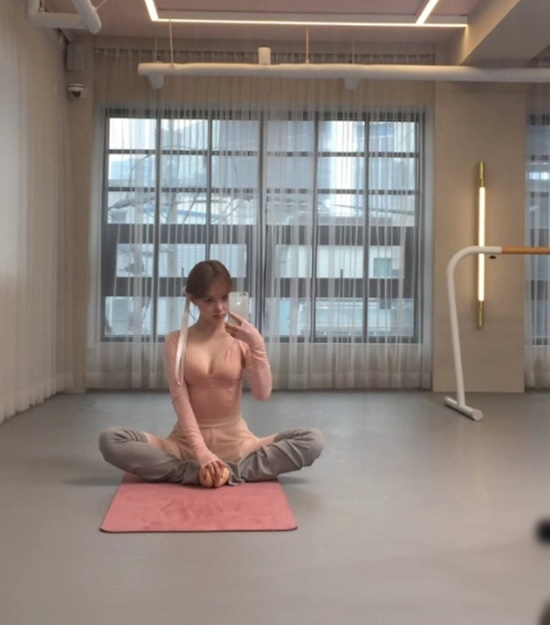
Of course, this trend is not entirely positive. There are concerns that the distance between stars and the public may grow too wide. Overly managed images, interviews that repeat only safe answers, and content lacking individuality could reduce the enjoyment of popular culture. Some point out that celebrities are becoming excessively defensive out of fear of making mistakes.
Nevertheless, this trend seems difficult to reverse. This is because a single controversy can instantly shake an entire image. Many in the public also express fatigue. There are voices showing discomfort with the atmosphere where a celebrity’s private life is over-consumed and minor actions turn into scandals. Some reflect on whether the culture has shifted from loving someone to monitoring them, and from enjoying to censoring.
Pop culture always reflects the mood of the times, and the “Quiet Star Strategy” currently spreading through the entertainment industry is no different. While stars of the past competed with friendliness, today’s stars protect their presence with caution and a disciplined distance. The SNS silence strategy is not just a “technique of speaking less.” After an era where showing more meant being loved more, it has now become far more important to decide what not to show.