A new film shedding light on the life of musician Vivaldi has finally met its audience.
Just as Busker Busker’s “Cherry Blossom Ending” is known as the song that signals the arrival of spring, Vivaldi’s “Spring” from “The Four Seasons” awakens our senses with its cheerful melody. To celebrate the 300th anniversary of this masterpiece, a special film has been released.
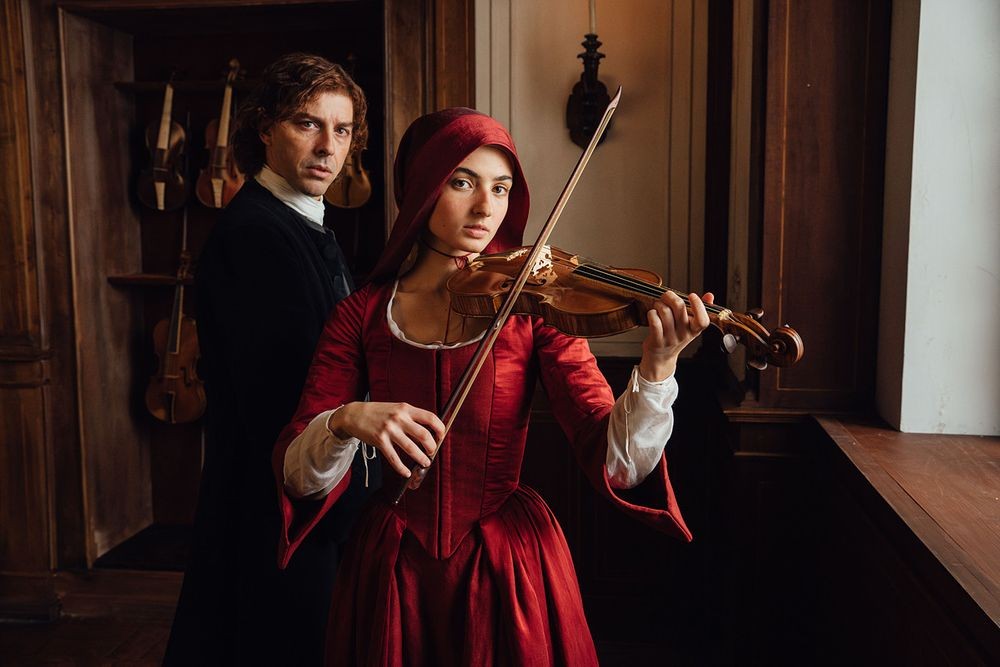
“Vivaldi and I” tells the story of Cecilia (played by Tecla Insolia), a girl raised in an orphanage. Cecilia is a talented member of the orphanage’s orchestra, but she is on the verge of giving up music due to an upcoming marriage to a nobleman. However, everything changes when Vivaldi arrives as a music teacher. Recognizing her gift, Vivaldi provides her with new opportunities, leading Cecilia to embrace a new dream and transform her life.
While the film covers Vivaldi’s life, he isn’t the sole focus. Instead, the camera follows a woman living in the same era. Cecilia endures the misfortune of being an orphan and the absurd constraints imposed by the nobility. While the Pietà Orphanage is praised for its high musical standards, the women inside are oppressed. The orphanage controls the girls with strict rules and accumulates wealth by arranging marriages with nobles.
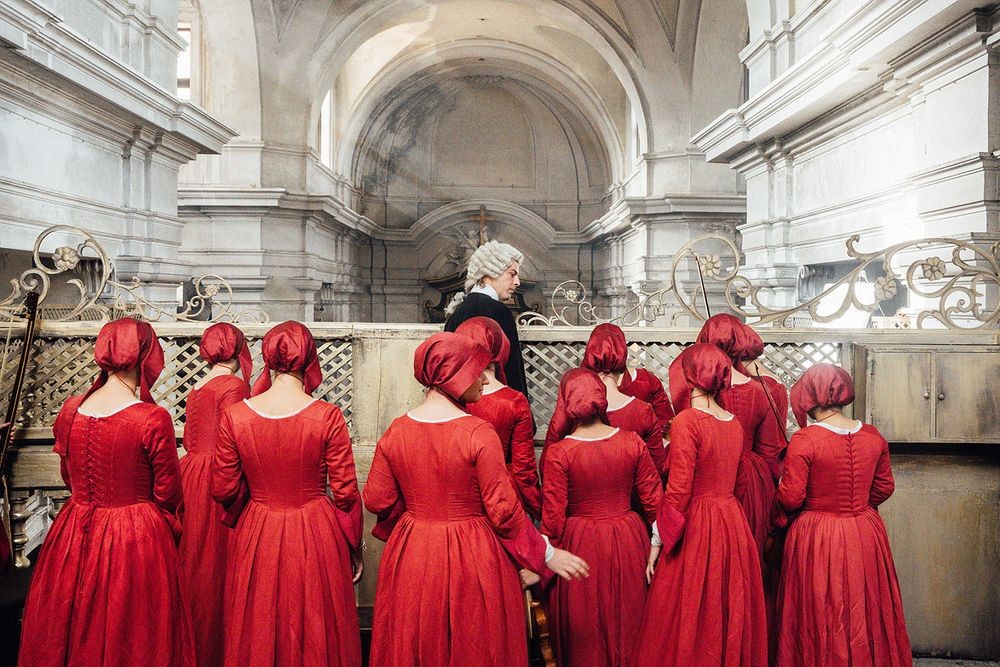
Unable to fight the system, Cecilia initially conforms. Despite her passion and talent for the violin, she tries to detach herself from music, believing it’s impossible once she marries. But Vivaldi enters her life, respecting her as a true musician and awakening her talent, which creates a crack in her predetermined fate. Struggling with her identity and the loss of her mother, Cecilia realizes that music is her true calling and begins to resist the orphanage’s system.
“Vivaldi and I” is a story of a discarded girl reclaiming her life through the power of music. It delivers a touching message about a woman who rejects the life forced upon her by society to chase her dreams. The film blends this story of an independent woman with the tragic life of a misunderstood artist. Though world-famous now, Vivaldi ended his life in poverty and loneliness. The movie portrays him as someone consumed like a mere cog in the orphanage’s machine.
In the film, Vivaldi and Cecilia share the common bond of being powerless artists. Despite their different positions, both suffer under oppressive environments and systems. Together, they overcome obstacles and nurture their dreams. Vivaldi acts as a shield for Cecilia’s freedom, while Cecilia stimulates Vivaldi’s musical inspiration, allowing them to grow together. Their solidarity eventually leads to Cecilia’s liberation. The film beautifully concludes by playing “The Four Seasons,” allowing the audience to reflect on Vivaldi’s musical achievements.
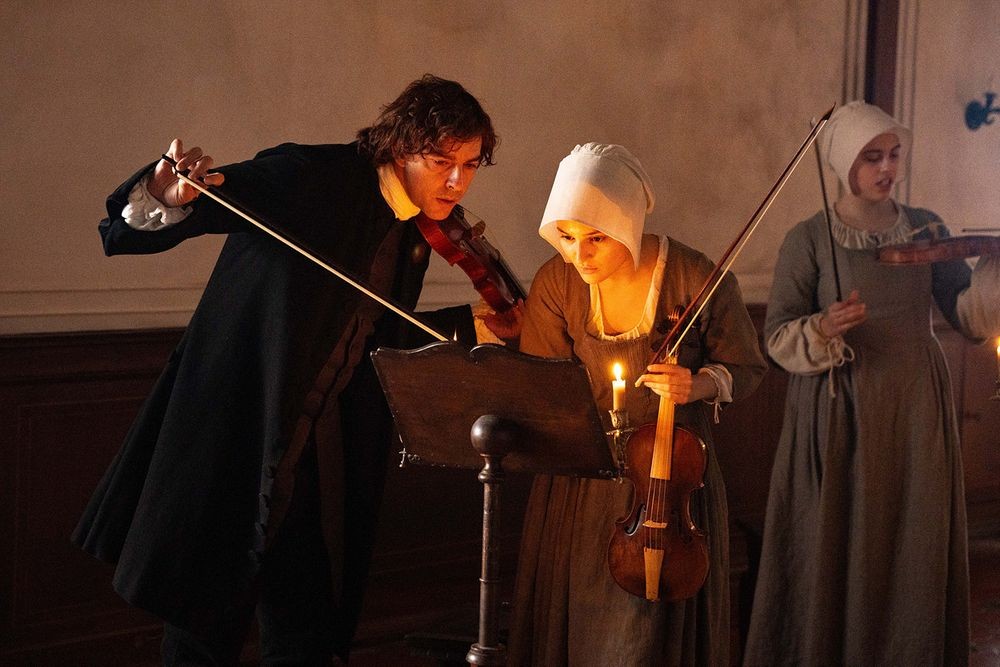
“Vivaldi and I” highlights the contrast between a violent class-based society and the freedom of music. It showcases how music allows people to dream regardless of their social standing. The film is particularly moving as it resonates with Vivaldi’s actual life teaching children at an orphanage. This is a must-watch for anyone interested in stories of independent women or classical music.