
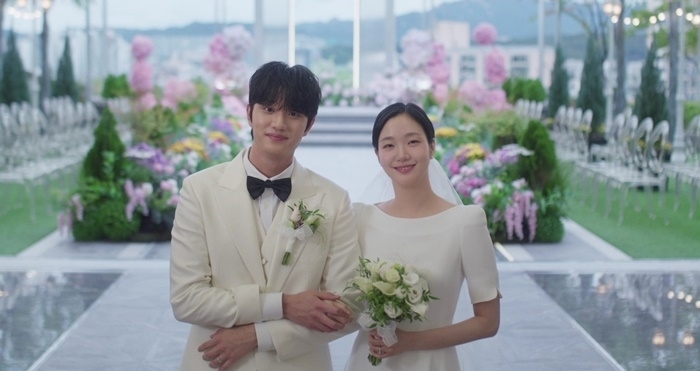
“Can live-action and animation actually mix?” Overcoming the skeptics, ‘Yumi’s Cells’ became a true K-drama innovation.
tvN’s drama ‘Yumi’s Cells’ has wrapped up beautifully, maintaining a stable narrative until the very end. The synergy between the actors’ solid performances and a high-quality script supported the series across all three seasons.
A Perfect Blend of Webtoon World-Building and Stellar Acting
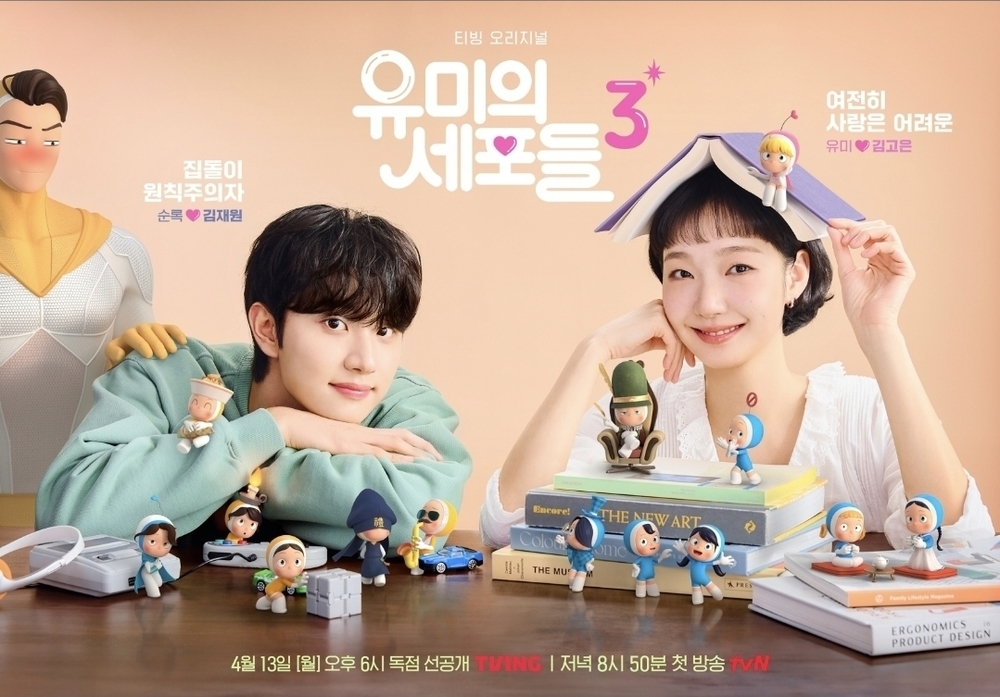
Based on the webtoon of the same name, ‘Yumi’s Cells’ has remained a hot topic since Season 1 premiered in 2021, successfully concluding with Season 3. The most unique aspect of the show is the personification of human emotions as ‘cells.’ Through the words and actions of these cells, viewers could more clearly understand the characters’ inner thoughts, naturally building a deep emotional connection. By showcasing the cells of not only the protagonist Yumi (played by Kim Go-eun) but also various other characters, the series offered a multi-dimensional way to enjoy the story.
In particular, ‘Yumi’s Cells’ maintained a smooth progression through the final season by blending the solid webtoon worldview with original drama narratives, such as the character Kim Ju-ho (played by Choi Daniel) and the ‘Soon-rok Straight-Arrow Cell.’ The production team’s ability to carefully balance these two worlds allowed them to satisfy original fans while attracting new viewers.
Breaking Boundaries Between Live-Action and Animation
The biggest innovation achieved by ‘Yumi’s Cells’ is that it is the first Korean work to combine live-action with 3D animation. During the production of Season 1, it was featured on the Epic Games global technical blog as an innovative case for being the first Korean animation TV series to apply Unreal Engine (a 3D game engine and graphics creation tool) to its entire production process. When the Season 1 teaser was first released, many reacted by saying it felt awkward to have animation and real people on the same screen. However, the mood shifted completely after the broadcast. The natural acting blended strangely well with the 3D animation, delivering a fresh and shocking impact.
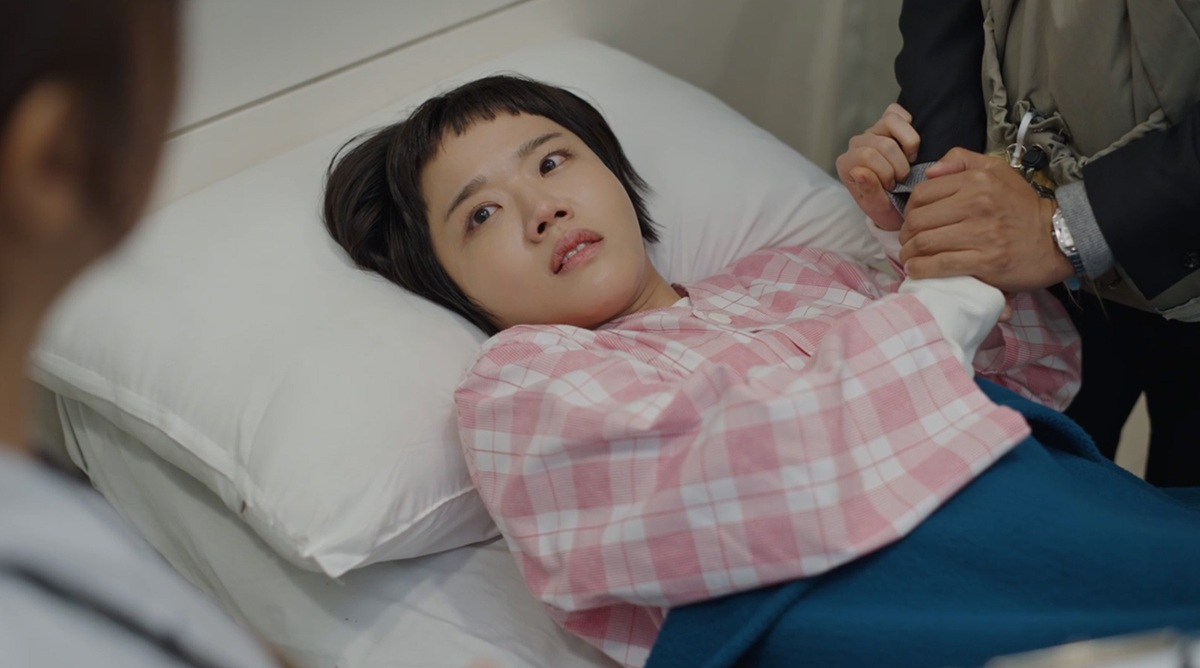
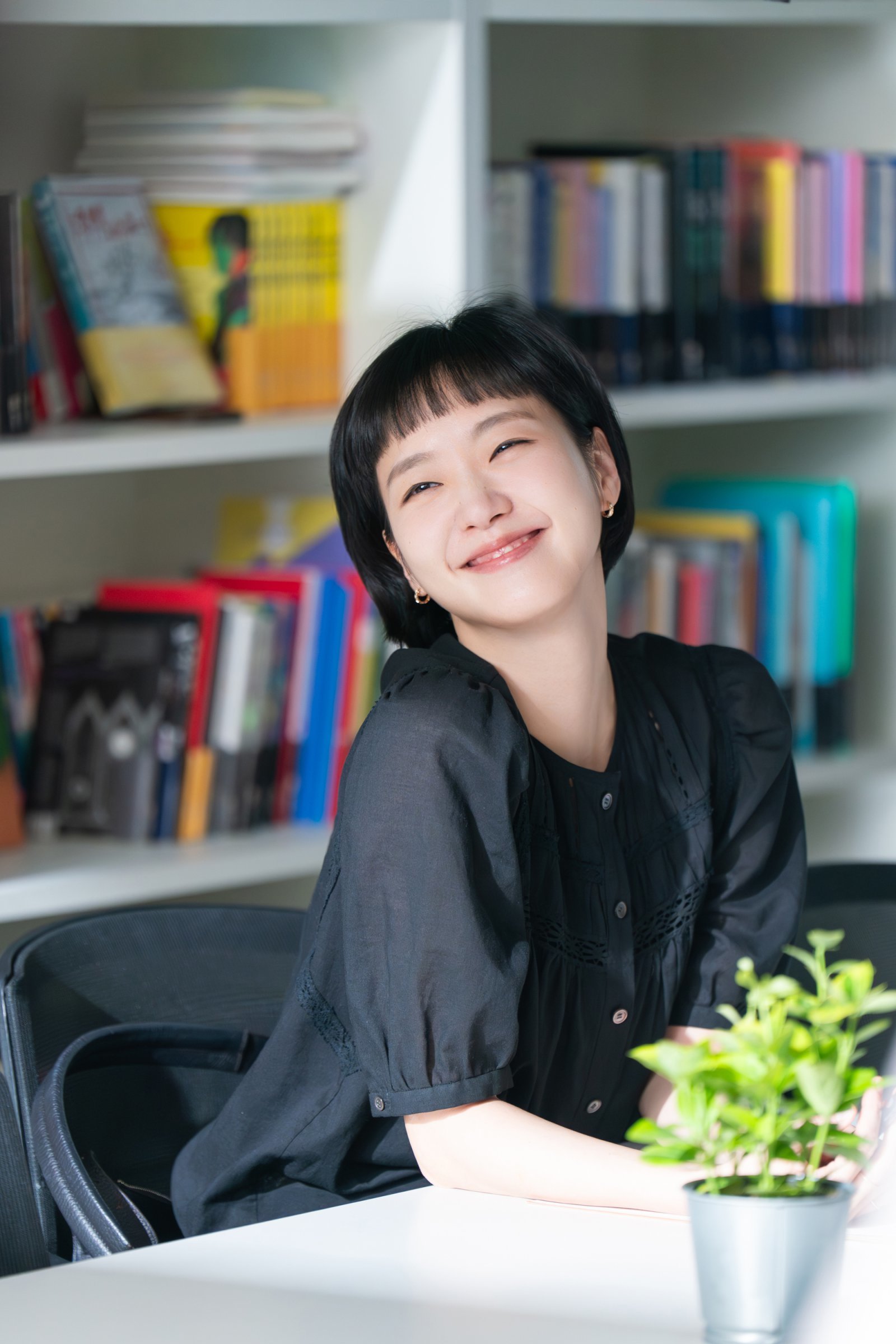
Many believe that actress Kim Go-eun, who played Yumi, played a huge role in making this harmony possible. Kim Go-eun perfectly portrayed Yumi in her 30s, choosing to live with her feet firmly planted in reality rather than in a grand fantasy. Her restrained facial expressions, clear diction, and natural chemistry with the new male leads each season earned praise throughout the series. Furthermore, by shaping Yumi as a character who remains calm and centered while the cells are noisily chatting, Kim Go-eun provided a convincing axis that allowed the two worlds of live-action and animation to coexist.
“There is no separate male lead”—The Power of a Yumi-Centric Story
In terms of content, the series also attempted various experiments that overturned traditional drama formulas.
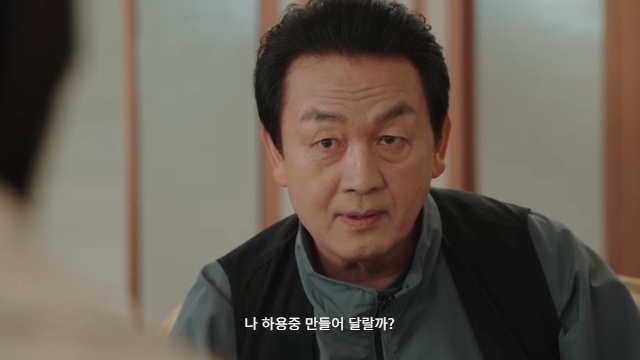
First, it proved that a seasonal drama could succeed without provocative elements by excluding ‘villain characters’ and ‘makjang’ (extreme) narratives. In the world of ‘Yumi’s Cells,’ there are no absolute villains. Neither Kim Ju-ho, who expressed interest in Yumi with confusing behavior, nor Seo Sae-yi (played by Park Ji-hyun), who hurt Yumi through subtle emotional lines with Gu Woong (played by Ahn Bo-hyun), were portrayed only by their flaws. In fact, some noted that from a different perspective, Seo Sae-yi even possessed the qualities of a female protagonist, as there are countless romance dramas about a female lead who falls for a man with a girlfriend. The protagonist Yumi also revealed her weak and anxious sides without filter as she navigated the chaos of youth. By depicting all characters as living with a mix of strengths and weaknesses, the drama secured a strong sense of realism. This allowed it to evoke broad empathy from viewers despite the disparate elements of ’emotion cells’ and ‘3D animation.’
Above all, the most powerful resonance of ‘Yumi’s Cells’ lies in its narrative approach that focuses entirely on Yumi as an individual. In a typical romance drama, the female lead’s final partner is fixed, and other male characters are consumed as supporting roles leading toward that conclusion. However, ‘Yumi’s Cells’ introduced a different male lead each season. Gu Woong (Ahn Bo-hyun), Yoo Ba-bi (Park Jin-young), and Shin Soon-rok (Kim Jae-won) appeared as the main male characters for Seasons 1, 2, and 3, respectively, illuminating Yumi’s growth through various relationships in a three-dimensional way. They were not tools to complete Yumi’s story, but mirrors that allowed Yumi to discover different versions of herself.
The scene that most clearly reveals this theme is when Yumi stands before the village bulletin board in Season 1. As Yumi writes ‘A happy ending with Woong’ as her wish, the bulletin board cell calmly reminds her: “I’m sorry, but Woong is not the male lead. There is no separate male lead. There is only one protagonist here.”
While it is an obvious premise that you are the only protagonist of your own life, the scene highlights how many people live forgetting this while focusing on others. With this single short line, the work compressed the message that pierced through the entire drama, leaving a lasting impression on many viewers.
Bittersweet Results and Shining Achievements
There were some disappointments. Because Season 3 was scheduled for only 8 episodes, the narrative plausibility noticeably decreased. The setting where only about a month passed from the start of Yumi and Soon-rok’s relationship to the proposal raised quite a few questions. Even considering Soon-rok’s character as a ‘straight-forward younger man,’ the general reaction was that the development felt somewhat rushed and awkward. This is particularly regrettable considering Soon-rok was the final male lead of the series. As the character who closes the series, the emotional weight would have been different if the process of Yumi and Soon-rok’s relationship building and ripening had been depicted more meticulously.
In terms of TV ratings, the results were also disappointing. The final episode of Season 3 on tvN recorded a nationwide rating of 2.5%. Analysis suggests that despite high buzz, it failed to capture the general home television audience. This is not unrelated to the overall decline in terrestrial and cable channel ratings as OTT-centered viewing habits spread.
Nevertheless, it enjoyed overwhelming popularity on the TVING platform. Immediately after the release of Season 3, it ranked 1st in both the overall and drama categories, and for three consecutive weeks, it ranked 1st in the number of paid subscribers contributing to TVING’s growth. The success of the new season also led to a reverse climb for previous seasons, creating a rare sight where the entire series appeared on the charts simultaneously. The international response was also hot. It ranked 1st for two consecutive weeks in North America, Europe, and the Middle East via Rakuten Viki, and ranked high on Disney Plus Japan, proving once again that the unique sensibility of K-dramas transcends borders. Starting on the 12th, a pop-up store will open, and from June, it will be reborn as a musical at the CJ Towel Theater of the Seoul Arts Center, achieving full IP expansion.
The Show May Be Over, but Our ‘Cell Yunimus’ Continues
After the final episode, it remains unknown what will happen in Yumi’s life. No one knows if Yumi and Soon-rok’s married life will continue or where the true destination of Yumi’s life will be. However, one thing is certain: the cells existing within Yumi will always stay by her side, wherever and whenever.
This story applies equally to us, the viewers beyond the screen. No matter how many hard and exhausting days continue, the cells within us will always prioritize us and silently cheer us on. Perhaps this is the very message that ‘Yumi’s Cells’ wanted to throw our way.