The “curse of 7 years,” which once served as a benchmark for an idol group’s lifespan, is becoming a thing of the past.
A clear polarization has emerged: large agencies with strong capital are producing long-running groups through multiple contract renewals, while idols from small and medium-sized agencies are facing a harsher reality, with some disbanding early before even completing their initial contracts.
Breaking the 7-Year Wall: Big Agencies Prioritize Team Stability
In the past, many idol groups disbanded or saw members leave around the 7-year mark, which is the standard exclusive contract period. This led to terms like the “curse of 7 years” or the “7th-year jinx.”
Recently, however, the lifespan of idols is extending, particularly within the “Big 4” agencies (HYBE, SM, JYP, and YG).
These agencies are building a foundation for long-term activities by combining group-wide renewals with individual member contracts.
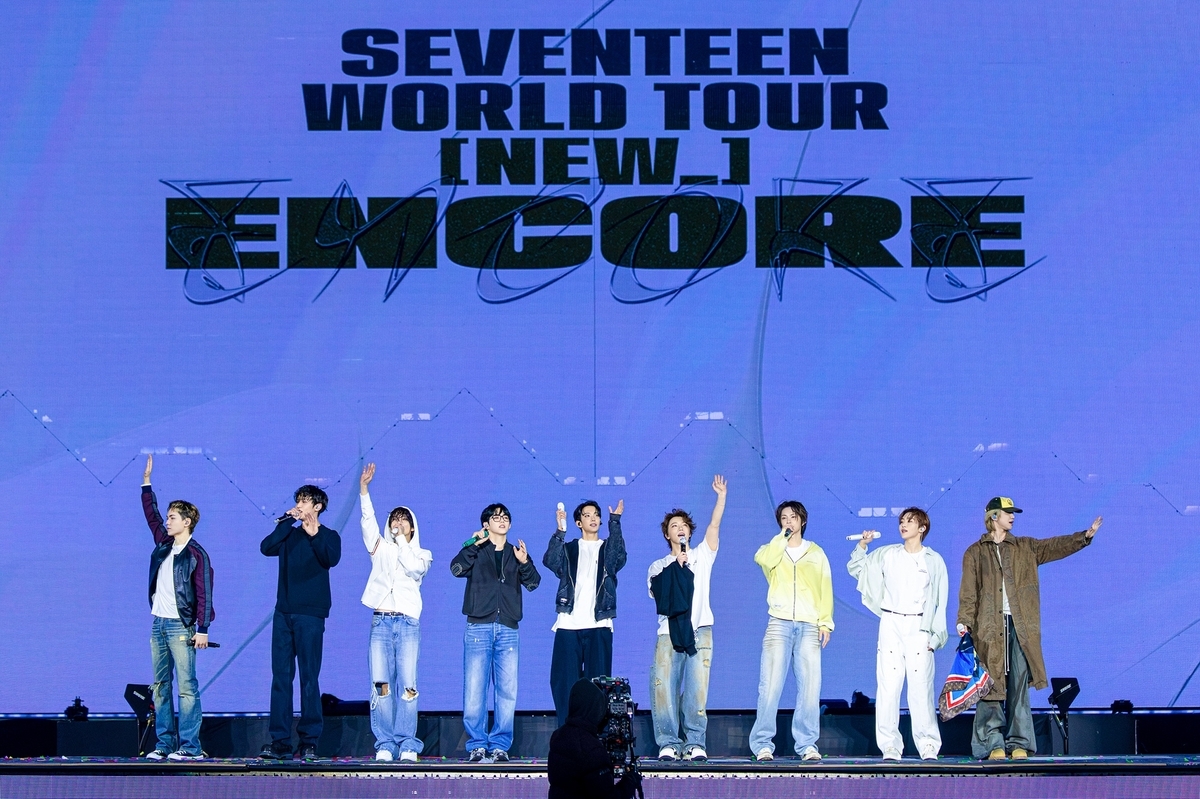
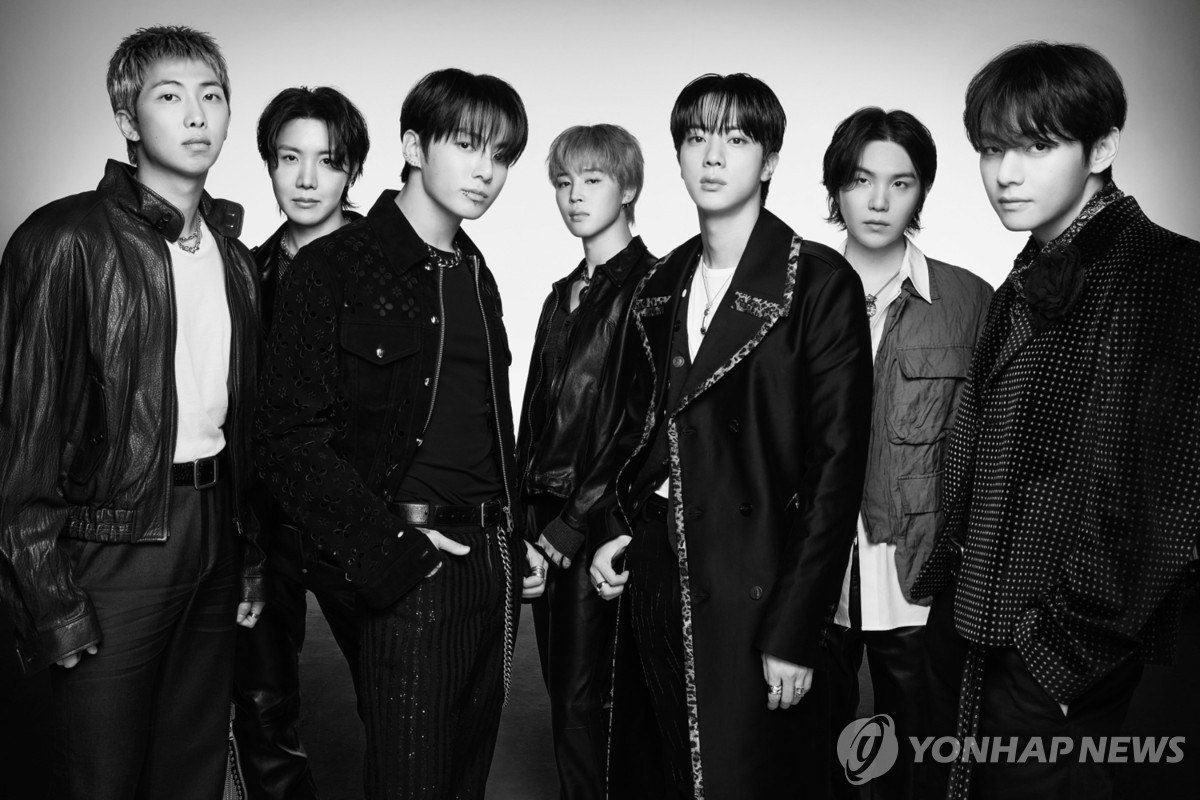
For example, BTS of Big Hit Music and SEVENTEEN of Pledis Entertainment, both under HYBE, have ensured continuity by having all members sign second renewals. Meanwhile, TWICE and Stray Kids of JYP Entertainment are maximizing profitability through massive global tours following full-group renewals.
The “separate but together” strategy has also become common, as seen with BLACKPINK, who handle group activities with YG Entertainment while managing solo activities through their own respective agencies. Similarly, Super Junior members Eunhyuk, Donghae, and Kyuhyun renewed with SM Entertainment specifically for group activities.
Over the past year, TVXQ, Tomorrow X Together, and ITZY also successfully renewed their contracts, while TREASURE signed an early renewal.
In this way, large agencies are successfully maintaining their core IP (Intellectual Property).
An industry insider stated, “Groups that have secured a global fandom have already established themselves as brands. It is more advantageous to maintain the group long-term, especially considering the revenue from world tours.”
During a recent Q1 earnings call, HYBE CEO Lee Jae-sang commented on artist renewals, saying, “This demonstrates the relationship of trust between the company and the artists. We are growing together over a much longer period than in the past.” He added, “I believe this is a fundamental structural change that has expanded the idol activity cycle, which used to be only 4 to 7 years, thanks to HYBE’s capabilities and infrastructure.”
“Hard to Even Reach 7 Years”: The Survival Crisis for Small Agency Idols
On the other hand, the situation for small and medium-sized agencies, which lack the capital and infrastructure of the giants, is far from easy.
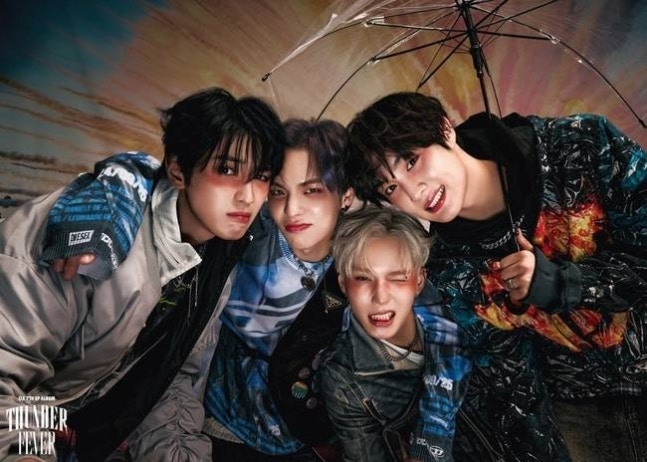
While there are “miracles of small agencies” like ATEEZ, who successfully renewed, there is an increasing number of cases where teams are restructured or disband early before their contracts end.
On the 30th of last month, CIX announced their disbandment. Despite expressing a strong desire to stay together as CIX during a comeback interview last year, the members have ultimately decided to go their separate ways. C9 Entertainment stated, “Everyone agreed that it was inevitable to stop the operation of the team.” Member Seunghoon announced his retirement from the entertainment industry, and Yonghee is set to enlist on the 11th.
MIMIROSE, a girl group produced by singer Lim Chang-jung, also disbanded early after four years. Despite efforts to save the team, including moving to a new agency in 2024 and restructuring into a 7-member group, they eventually chose to disband.
Additionally, Cherry Bullet, Nature, Wiki Miki, and Signature all disbanded in 2024. While it was a year where girl groups were highly prominent, to the point where the term “New-re” (NewJeans, IVE, LE SSERAFIM) was coined, disbandments continued on the other side.
A source from a small agency explained, “For small agencies, if results aren’t achieved within 1 to 2 years after debut, it’s a structure where further investment or continued activity is difficult. For them, the survival turning point is actually 2 to 3 years, not 7.”
The Decisive Gap in Capital and Infrastructure: “Even Personal Assets are Used”
The gap between agencies is widening as fixed costs and production expenses to maintain a group increase, including pre-debut training, housing, meals, original content production, marketing, and overseas activities.
An industry insider lamented, “Content production and marketing costs have jumped several times compared to the past. In the case of small agencies, there are instances where the CEO uses their personal assets to keep the team going. When even that reaches its limit, they have no choice but to terminate the contract.”
The source pointed out, “In reality, it takes about three years for an idol group to establish itself, but not many companies can endure that. Long-term investment and planning are required to lead to overseas tours and fandom building. Only a handful of agencies can stably design a mid-to-long-term blueprint.”
Another cause of this polarization is the failure to diversify revenue streams.
In large agencies, even if a group’s performance doesn’t meet expectations, the structure allows them to compensate through the activities of other artists or additional revenue businesses.
However, since small agencies often focus all their resources on a single idol group, the entire company can collapse if that one team falters. Furthermore, if results don’t appear after several years, a decision must be made to clear the way for debuting new idol groups.
Experts predict that the gap will widen further as the K-pop market grows.
Pop music critic Lim Hee-yoon analyzed, “The ‘rich get richer and poor get poorer’ phenomenon seems to be becoming more prominent in the idol market. Large agencies have solid platforms, marketing capabilities, and capital. With the globalization of K-pop, they’ve built networks not only in the US but in other countries. Conversely, it has become increasingly difficult for small agencies to make a presence known from the moment an idol group debuts.”