At the 79th Cannes Film Festival, the presence of Korean cinema means so much more than just being “invited.” Beyond the buzz and star power, K-movies are now playing pivotal roles on the international stage of Cannes in various ways.
As the festival closes on the 23rd, Korean cinema has shown its strength in three distinct directions. Director Yeon Sang-ho represents the expansion of popular genres, Director Na Hong-jin embodies auteur experimentation and madness, and Director Park Chan-wook symbolizes trust and authority within the global film community.
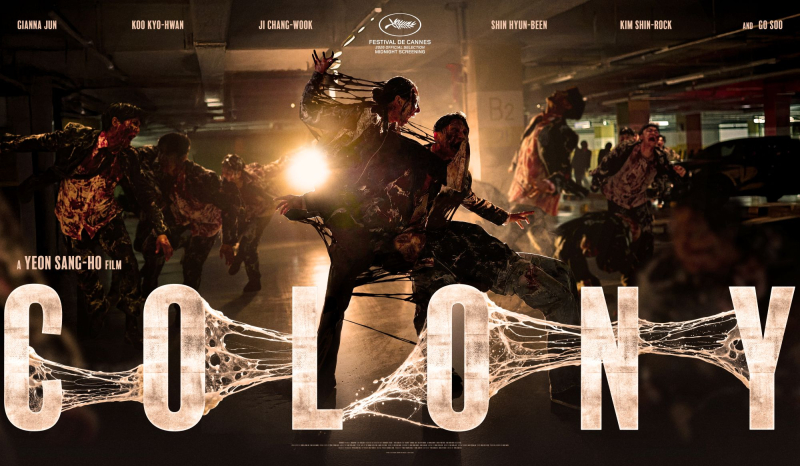
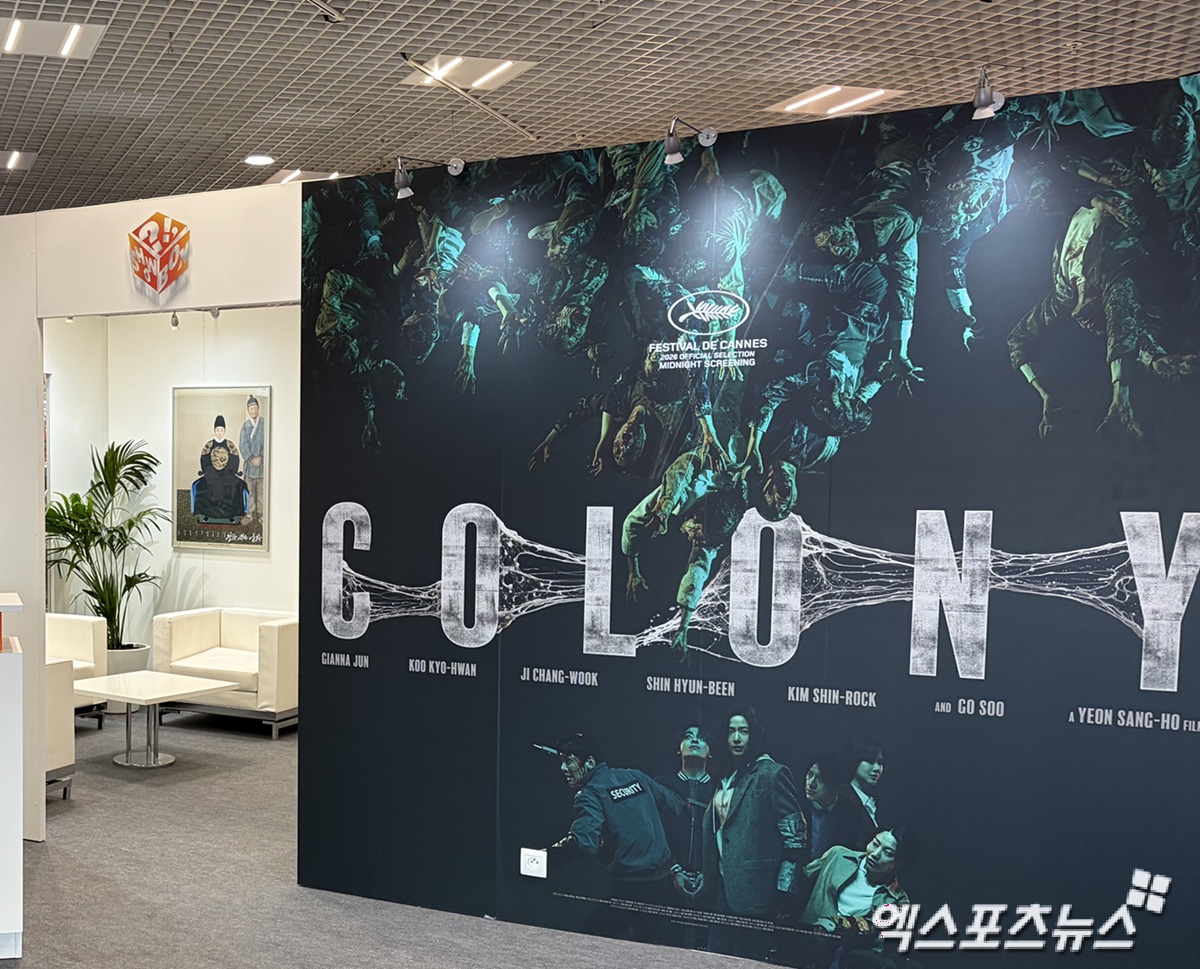
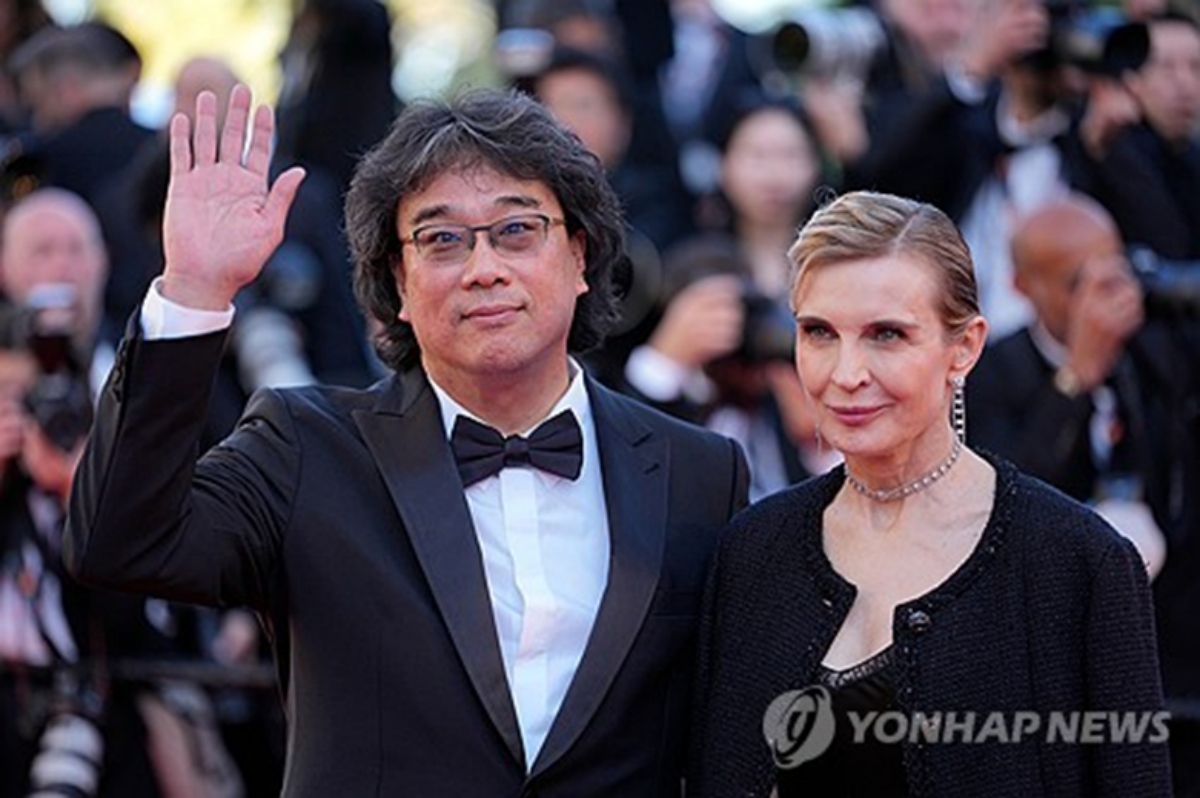
First up is Director Yeon Sang-ho’s new film, “Colony.” Officially invited to the Midnight Screening section, “Colony” garnered significant local attention as Yeon’s return to the zombie genre since “Train to Busan.” The standing ovation that lasted over seven minutes immediately after the screening proves the high expectations global audiences have for Korean genre films, rather than just being a fan service response.
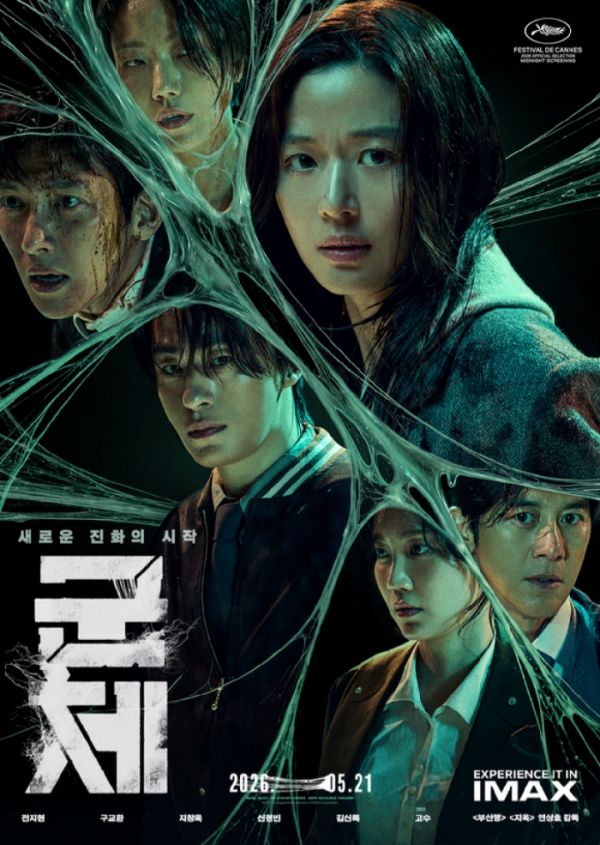
“Colony” is praised for densely weaving Director Yeon’s signature themes of collectivism and human instinct into the familiar grammar of zombie films. The cast, including Jun Ji-hyun, Koo Kyo-hwan, Ji Chang-wook, Shin Hyun-bin, and Kim Shin-rok, also drew huge attention on the red carpet, adding to the excitement.
Director Na Hong-jin’s “Hope,” entering the competition section for the first time in four years, is considered one of the most unpredictable films at Cannes this year. Foreign media have described it as a film that will “extremely polarize opinions,” yet this has only piqued curiosity and anticipation.
Na Hong-jin has always built worlds consumed by anxiety, fear, and the grotesque rather than explainable ones. Much like “The Wailing,” “Hope” is likely to obsessively gaze into primal human fear and foreboding rather than following simple genre rules. The setting, a village near the Demilitarized Zone (DMZ), further blurs the line between reality and unreality.
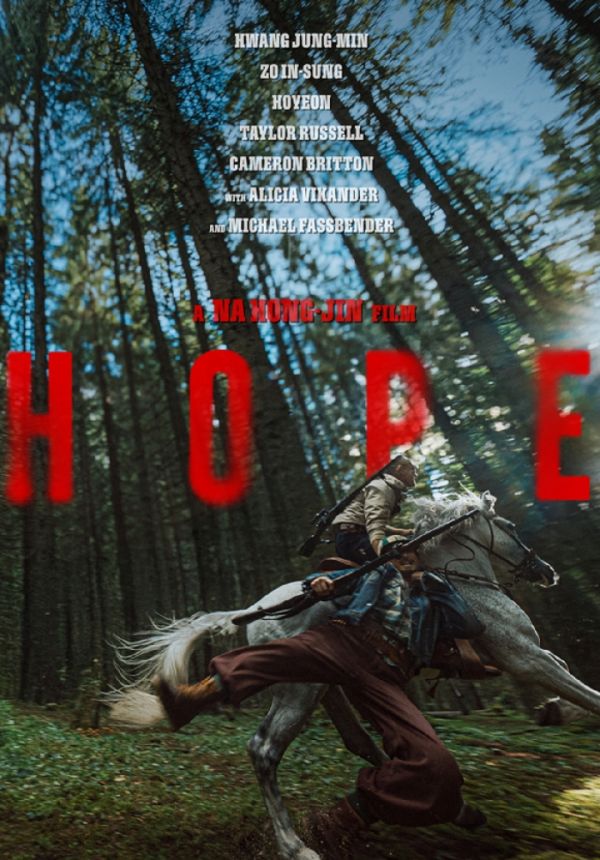
In particular, the multinational cast featuring Hwang Jung-min, Jo In-sung, Jung Ho-yeon, Taylor Russell, Alicia Vikander, and Michael Fassbender shows that Korean cinema is evolving into global projects in terms of production scale and casting.
Interest is peaking over whether “Hope” will take home a trophy. At the closing ceremony on the evening of the 23rd at the Grand Théâtre Lumière, winners for the Competition section, including the Palme d’Or, Jury Prize, Best Director, Best Screenplay, Best Actor, and Best Actress, will be decided. Previously, the British film publication Screen Daily recognized its artistic quality by placing “Hope” high in the rankings of the competing films.
At the heart of it all is Director Park Chan-wook, who serves as this year’s Jury President. Being the first Korean to hold this position is more than just a record. It is proof that Korean cinema has risen to a position where it discusses the trends and standards of world cinema.
During the official press conference, Director Park stated, “I will watch the movies with the eyes of an audience without prejudice,” while expressing his intention to evaluate based on a professional perspective. This reveals his attitude as a filmmaker who possesses both a creative and a critical eye.
In the past, Korean cinema was consumed as a “new discovery” at the Cannes Film Festival, but the atmosphere has changed. From genre films and auteur cinema to leadership within the judging system, Korean filmmakers are now taking charge. The scene at Cannes this year is less of a temporary trend and more of a demonstration that the industry and creative capabilities accumulated over a long time have stably settled within the global film market.