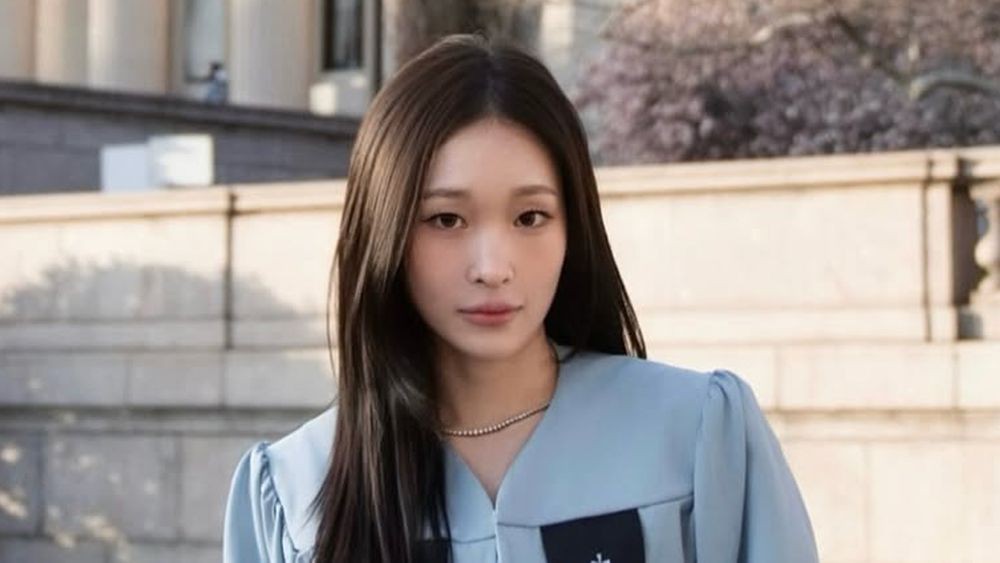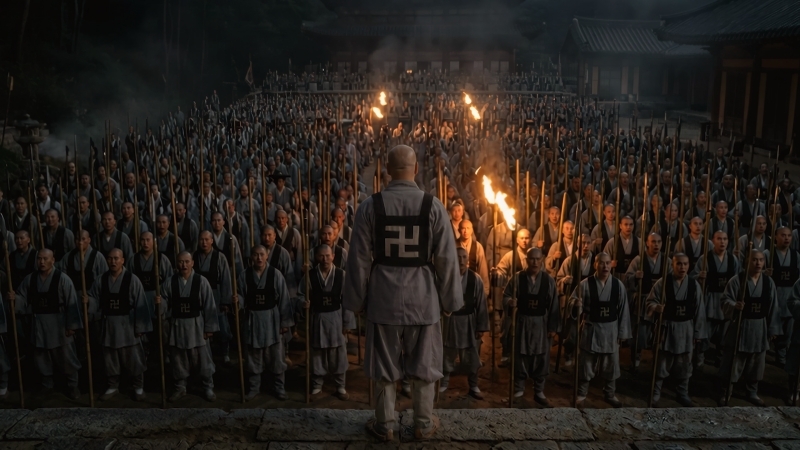
To celebrate Buddha’s Birthday, actor Ji Seung-hyun tracks the epic journey of the ‘Warrior Monk’ Master Samyeong.
KBS1’s ‘History Special – Time Traveler’ Episode 23, titled ‘Buddha’s Birthday Special: Master Samyeong, Taking Up the Sword for the People,’ will air on the 24th at 9:30 PM.
Back in 1592, 160,000 Japanese troops invaded Joseon, advancing with unstoppable force. In a moment where the fate of the nation hung by a thread, some rose up with weapons to save the people. These were the monks who had been meditating in mountain temples, led by the great Master Samyeong (Yujeong). Why did monks who had left the secular world take up arms? To mark the 2,570th Buddha’s Birthday, ‘History Special – Time Traveler’ follows in the footsteps of Master Samyeong.
■ Searching for the Traces of Master Samyeong: The Monument That Weeps in Times of Crisis
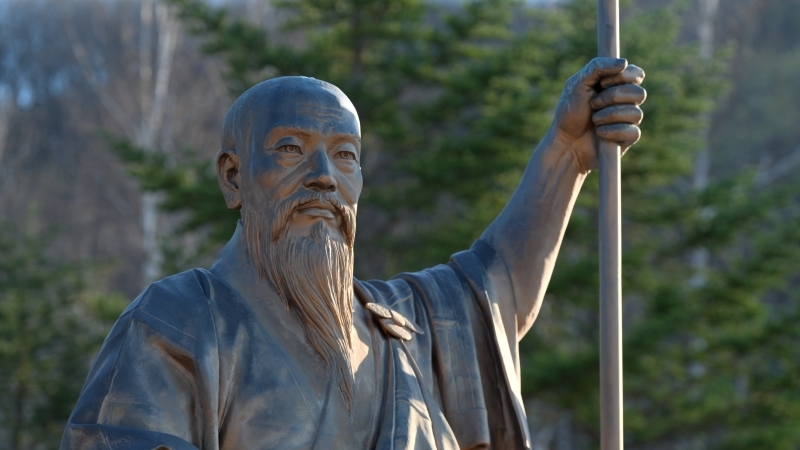
Pyochungsa Temple in Miryang, Gyeongsangnam-do, is a unique space serving both Confucian and Buddhist roles, combining a royal academy and a temple to honor Master Samyeong. Through his monastic robes preserved here, we can vividly feel his imposing presence and spirit as a general, standing at a remarkable 180cm.
At Hongjesa Temple, also in Miryang, stands the Pyochungbi monument recording his deeds. There is a mysterious legend that this monument ‘sweats’ whenever the nation faces a disaster. This legend is seen as a sign of Master Samyeong’s spiritual power and his concern for the people, drawing many visitors to this day. Who exactly was this man remembered by the state and the people for so long?
■ The Warrior Monk: Saving Sentient Beings with a Sword
When the Imjin War broke out, Master Samyeong gathered monks at Geonbongsa Temple in Goseong, Gangwon-do, to raise an army. It is estimated that about 800 warrior monks gathered under his command.
Non-killing (Ahimsa)
All living beings fear violence and dread death.
Comparing this to yourself, do not kill or cause others to be killed. – Dhammapada
In Buddhism, killing is strictly forbidden by the precepts. Furthermore, since its founding, Joseon was a society that revered Confucianism and suppressed Buddhism. Despite this, thousands of warrior monks were organized across the country. This was because the monks decided that saving the people from misery was also a way of saving all sentient beings.
During the Battle of Pyongyang in 1592, about 2,000 warrior monks led by Master Samyeong played a pivotal role in recapturing the fortress. Afterward, the warrior monks served alongside Admiral Yi Sun-sin’s navy and in the Battle of Haengju under Kwon Yul, playing decisive roles in turning the tide of the war.
■ Demanding the Enemy General’s Head in the Heart of the Enemy Camp
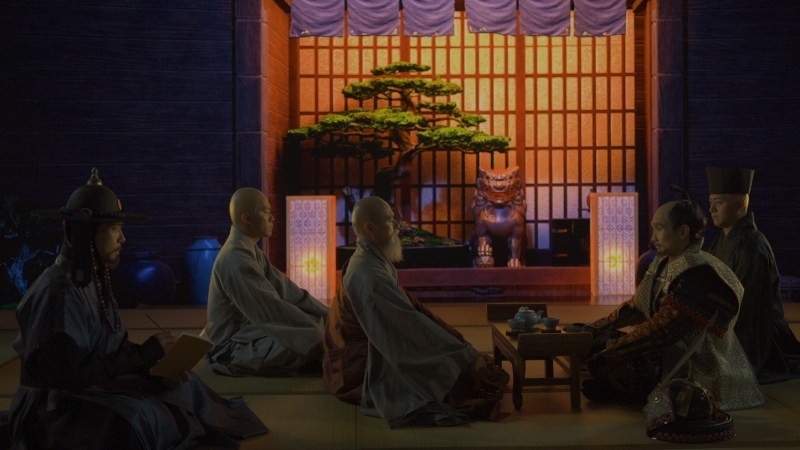
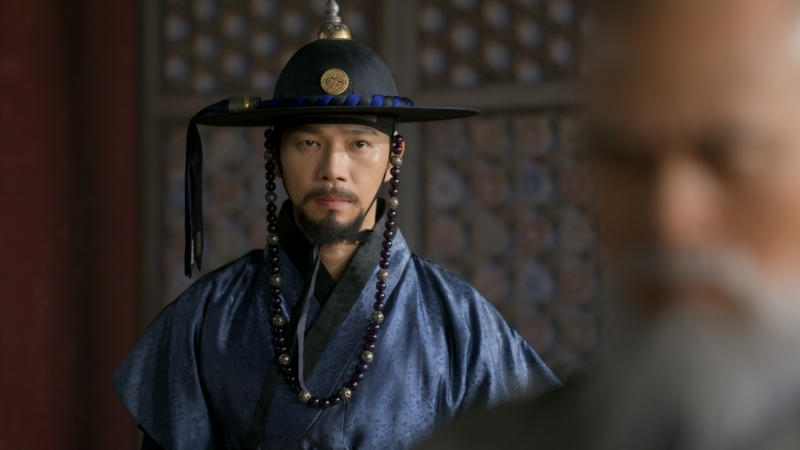
In 1593, the Ming Dynasty and Japan began peace talks, excluding Joseon. When the talks stalled due to Japan’s unreasonable demands, Joseon sought its own diplomatic breakthrough. Master Samyeong headed to the Seosaengpo Japanese Castle in Ulsan, where the second army commander, Kato Kiyomasa, was located. His goal was to sow discord among the Japanese forces by utilizing Kato, who was in conflict with the first army commander leading the talks with Ming, and to gather intelligence in the process.
A famous anecdote from that time tells us that when Kato asked, “Joseon’s treasure is what?” Master Samyeong replied, “The greatest treasure of Joseon is your head.” This chilling response earned him fame in Japan as ‘Seolbo Hwasang’ (The Monk who spoke of the treasure).
■ Rescue the Korean Prisoners Taken to Japan!
After the war ended in 1604, Master Samyeong traveled to Japan as a diplomatic envoy. Japan was in a period of upheaval after the death of Toyotomi Hideyoshi and the rise of Tokugawa Ieyasu as the new Shogun. Tokugawa requested peace with Joseon, claiming he was not responsible for the invasion. The Joseon court dispatched Master Samyeong to discern Tokugawa’s true intentions.
Master Samyeong visited numerous temples and met many monks across Japan to exchange Buddhist teachings. His knowledge and wisdom became a hot topic, and Japanese intellectuals rushed to meet him. His handwritten calligraphy still remains at places like Kosei-ji Temple in Kyoto. However, Master Samyeong’s heart was heavy with other concerns.
The plum blossoms fall one by one
Yet I cannot return
The spring breeze of a foreign land
Only breaks my heart in vain
– Master Samyeong, writing his feelings upon hearing a temple bell at Bonbeopsa
Master Samyeong witnessed countless Korean prisoners who had been dragged to Japan during the national crisis, longing for their homeland. Unable to ignore them, he strongly demanded their repatriation during talks with Tokugawa and finally returned home safely with thousands of prisoners. His journey later paved the way for the Joseon Tongsinsa (diplomatic missions).
Master Samyeong, who saved the nation and its people, is remembered as a monk who practiced true salvation and a hero who protected the community. To mark Buddha’s Birthday, ‘History Special – Time Traveler’ explores the message Master Samyeong leaves for future generations in the episode ‘Buddha’s Birthday Special: Master Samyeong, Taking Up the Sword for the People,’ airing on the 24th at 9:30 PM on KBS1.