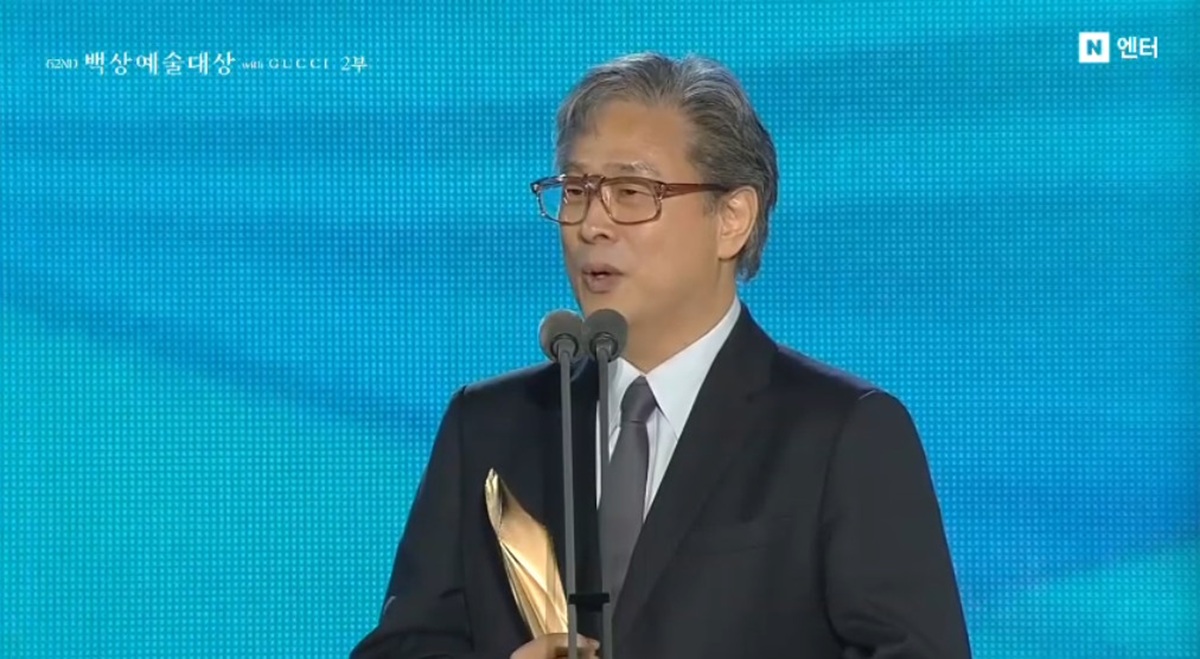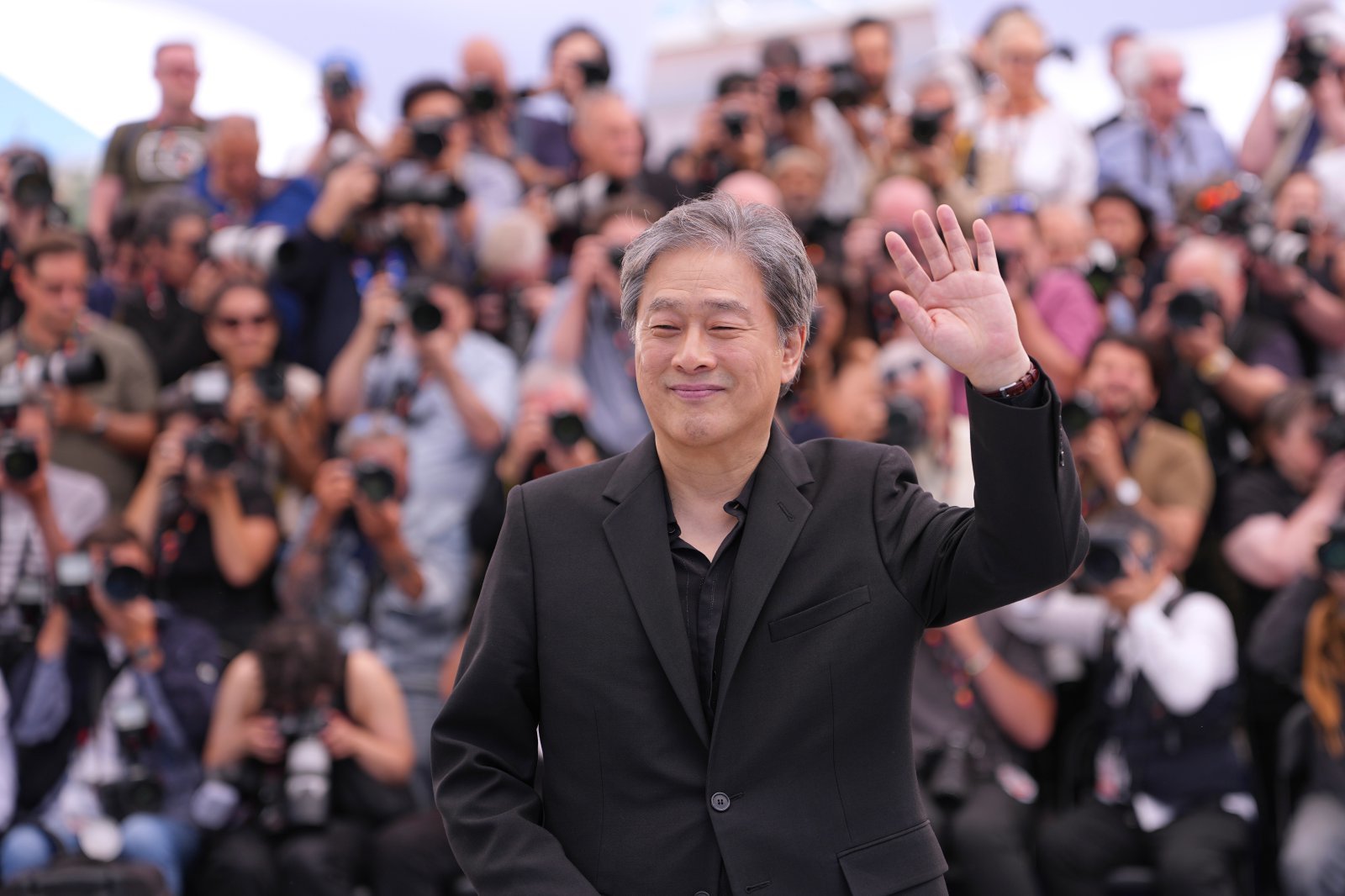
With the opening of the 79th Cannes Film Festival on the 13th (KST), a press conference was held for the competition jury who will decide the fate of the prestigious Palme d’Or. During the conference, Jury President Park Chan-wook caught everyone’s attention by sharing his firm belief that “politics and art should not be separated” when asked about political themes in cinematic art. He added, “Just because a work of art contains a political statement doesn’t mean it should be viewed as an enemy of art. Conversely, the absence of a political message doesn’t diminish the value of a work.”
Director Park also cautioned that “even a great political message will end up as mere ‘propaganda’ if it is not sufficiently realized artistically.” He pointed out that the essence of art lies in how deeply and creatively a message is implemented, regardless of whether a political message exists. This is being interpreted as a statement prioritizing the “completion and method of expression of the work itself” amidst a recent trend in the film industry leaning toward message-centered discourse.
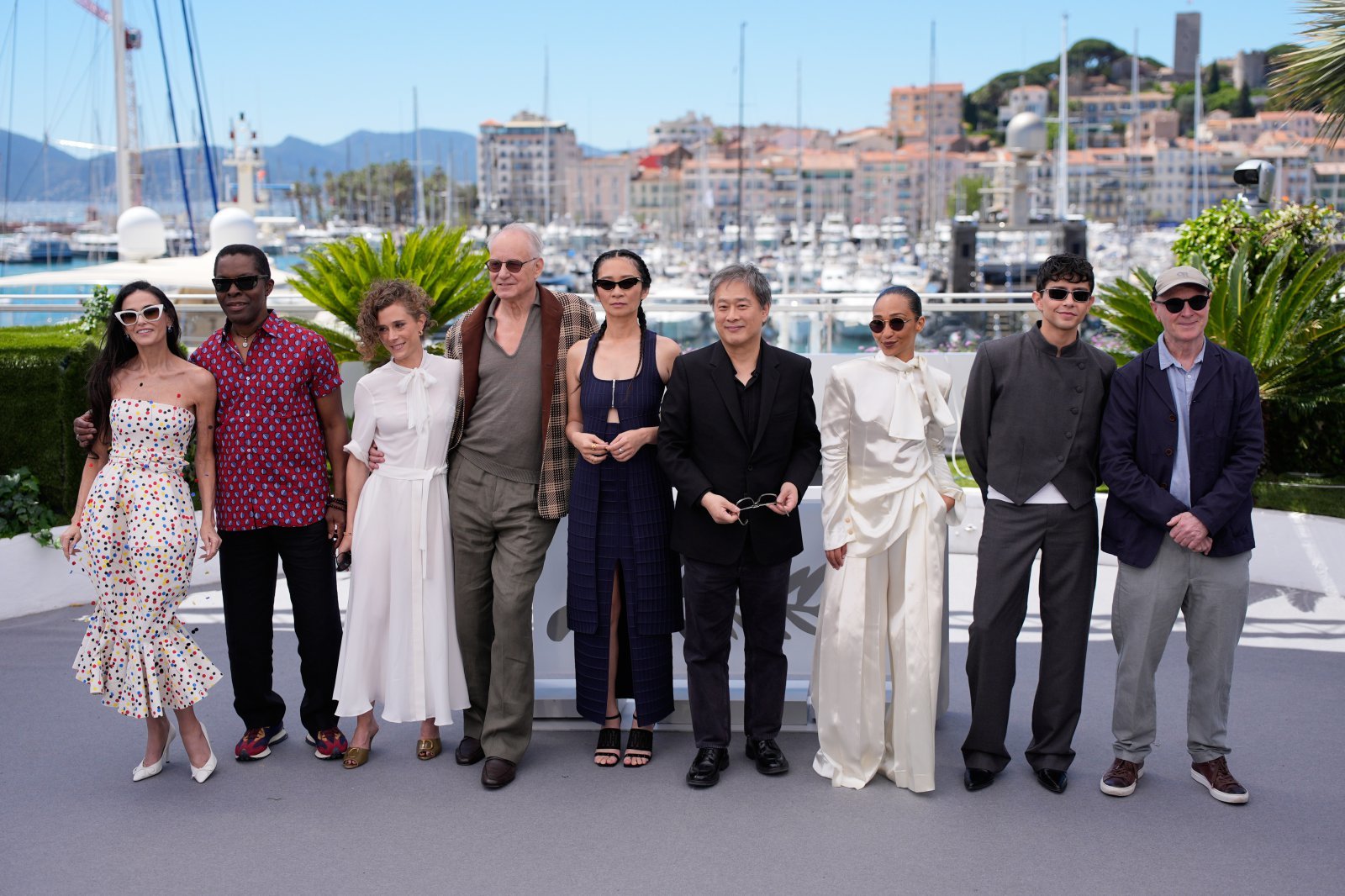
In contrast, Director Park Chan-wook presented a more multi-dimensional perspective on the relationship between art and politics. He is being praised for suggesting a balance between artistry and social commentary by neither unconditionally rejecting political messages nor judging a work’s value based on the message alone.
This year’s competition jury consists of nine filmmakers, including Jury President Park Chan-wook, Demi Moore, Ruth Negga, Chloe Zhao, and Stellan Skarsgård. Representing Korean cinema, Director Na Hong-jin’s ambitious work “Hope” has entered the competition. The winner of the highest prize, the Palme d’Or, will be revealed at the closing ceremony on the 23rd.