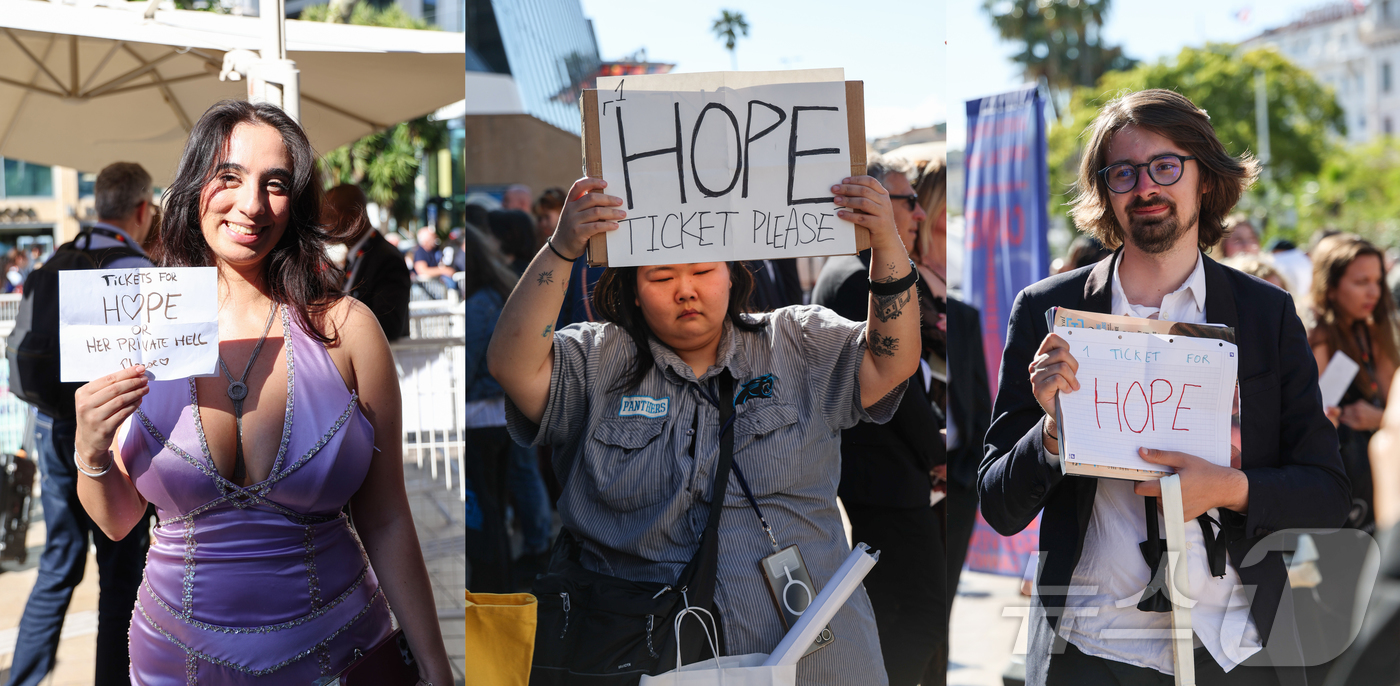
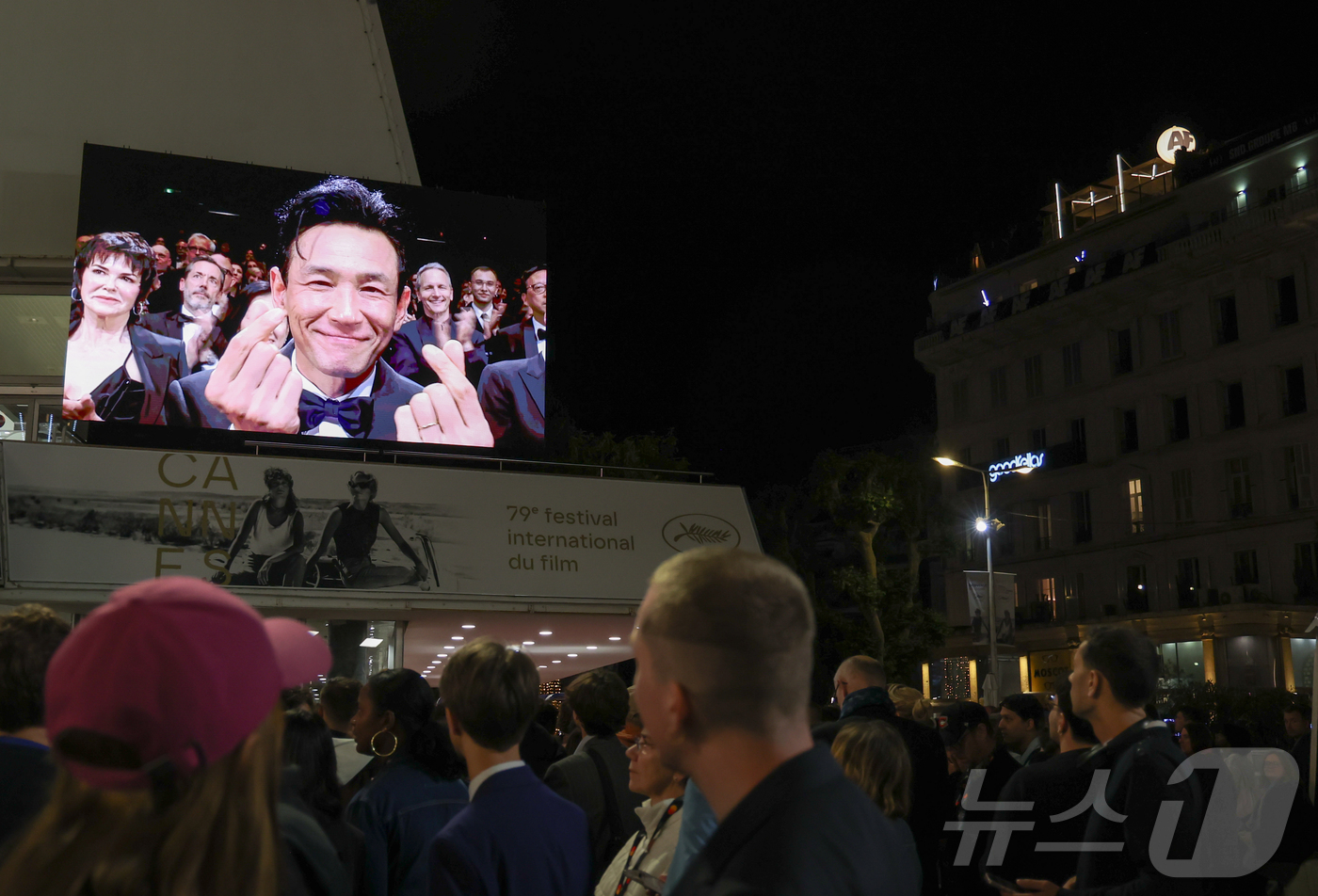
The 79th Cannes Film Festival has finally reached its closing day! The closing ceremony and awards will take place on May 23rd at 8:15 PM (May 24th, 3:15 AM KST) at the Palais des Festivals’ Lumiere Grand Theatre, where the prestigious Palme d’Or and other major awards will be revealed.
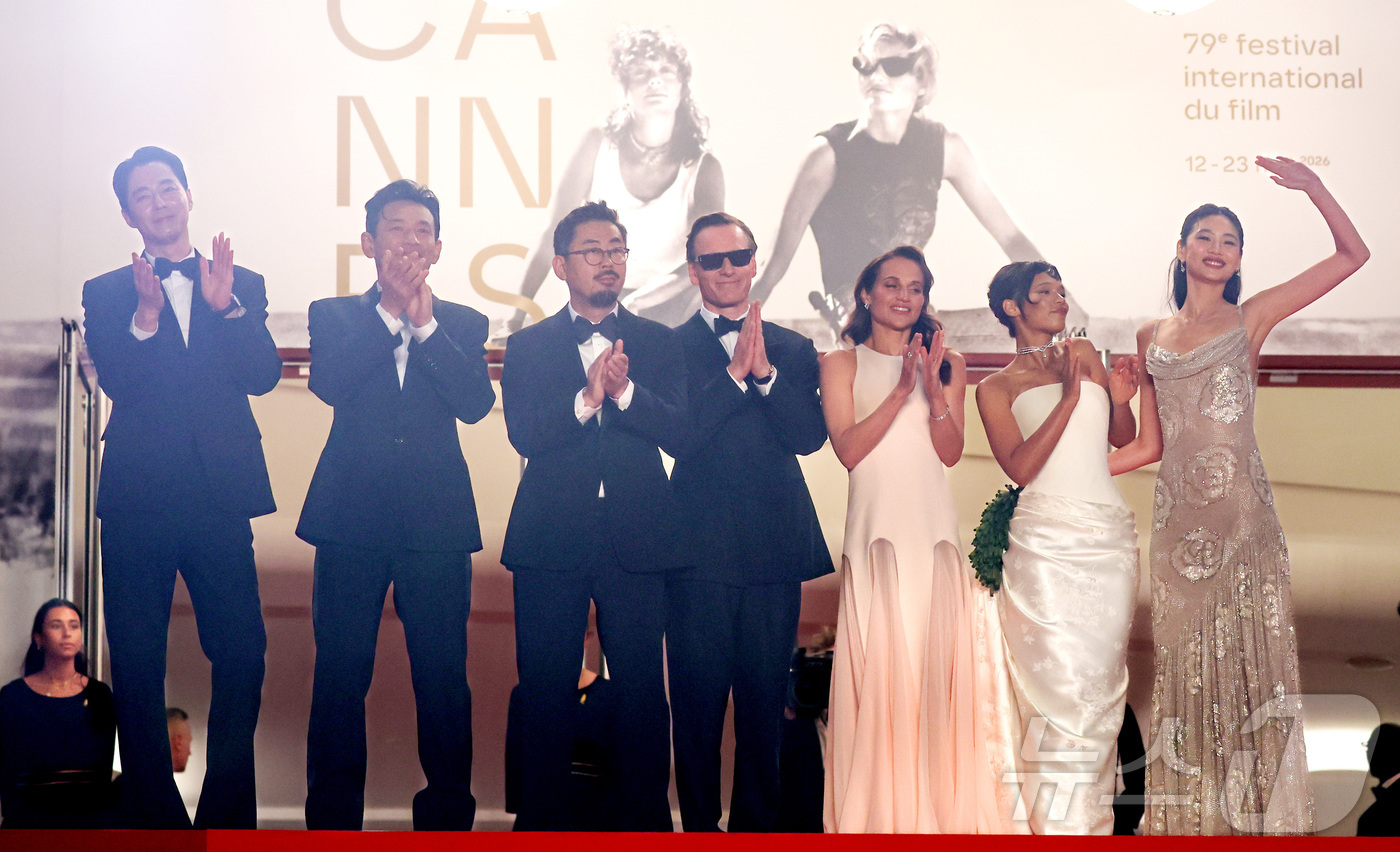
This year, five Korean works were invited to Cannes. Director Na Hong-jin’s ‘Hope’ made it into the Competition section, while Director Yeon Sang-ho’s ‘Swarm’ was featured in the Midnight Screening and Director Jung Ju-ri’s ‘Dora’ was invited to Director’s Fortnight. In the student film category, La Cinef, Director Choi Won-jung’s ‘Bird Rhapsody’ and Director Nadine Misong Jin’s ‘Silent Voices’ were listed. Among these, ‘Hope’ is the sole entry in the Competition section.
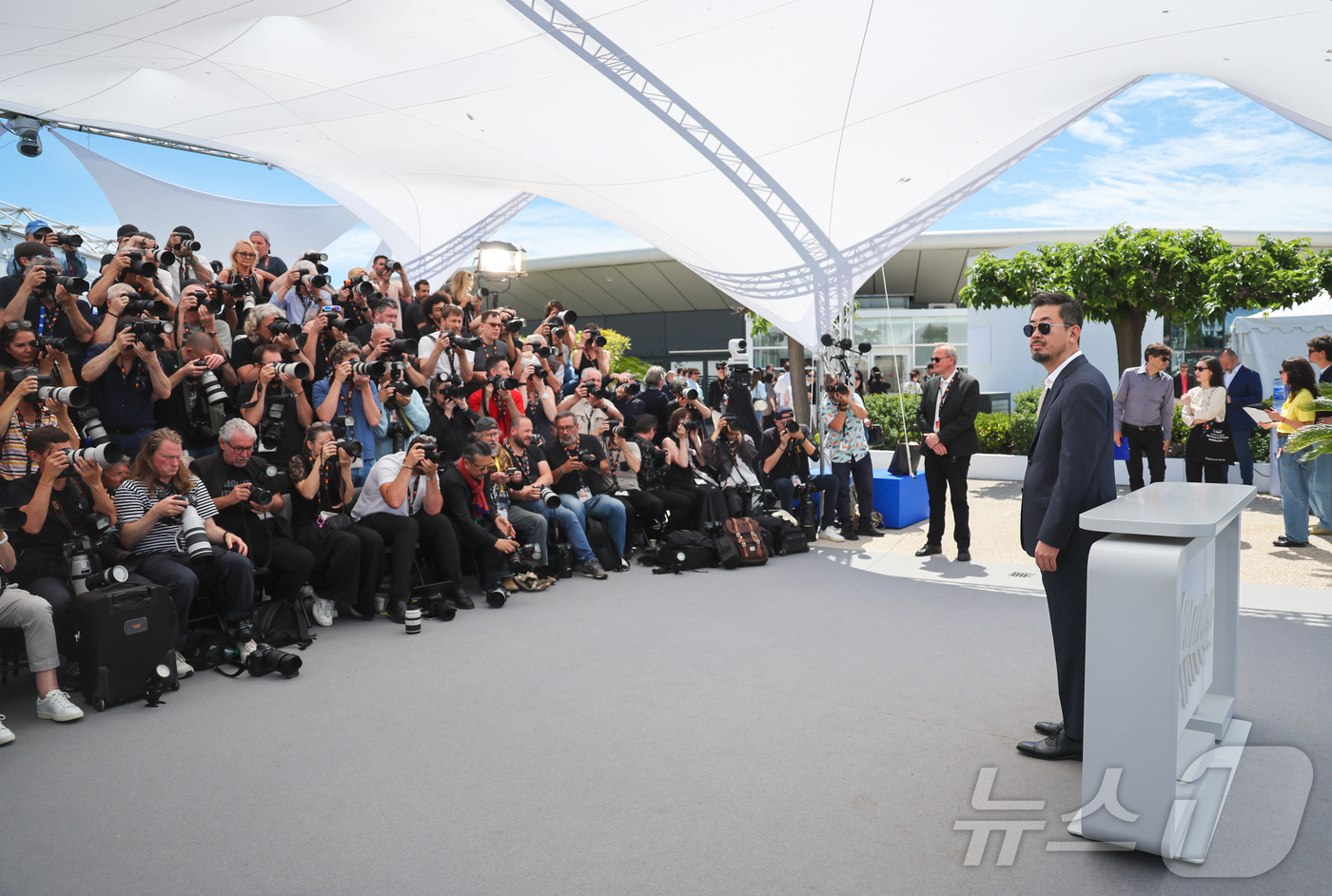
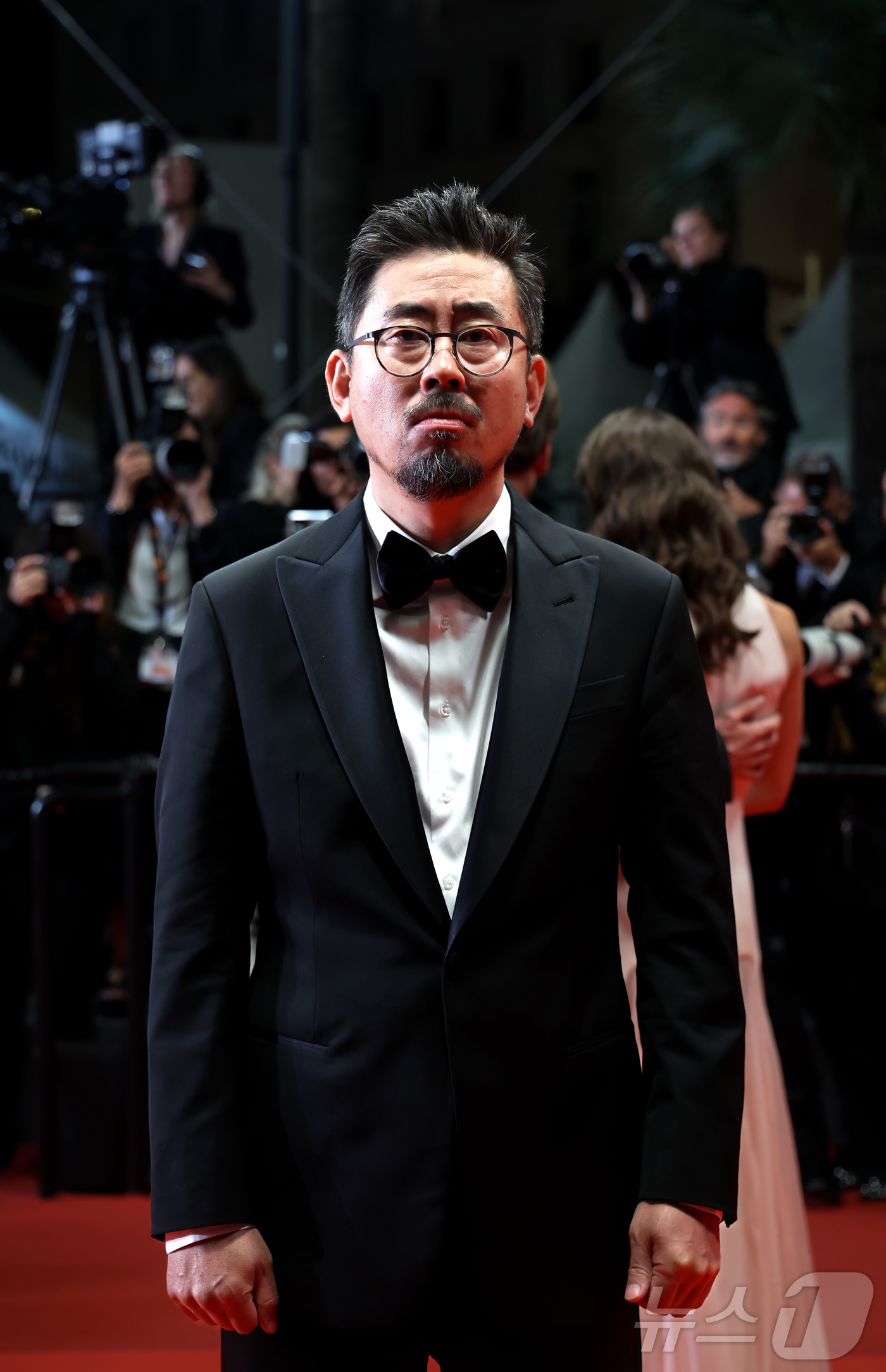
After 12 days of red carpets, flashing lights, applause, and heated debates on the Croisette, everyone is waiting for the finale. ‘Hope’ is one of the films awaiting Cannes’ decision tonight. Regardless of the win, ‘Hope’ remains the most daring question of the year, showing just how far Korean cinema can push its limits.
‘Hope’ is more than just Director Na Hong-jin’s first film in the Competition section. It represents a different side of the long history Korean cinema has built at Cannes. While Im Kwon-taek’s auteurism, Park Chan-wook’s genre aesthetics, Bong Joon-ho’s social allegories, and Lee Chang-dong’s ethical anxieties have been recognized in various ways, Na Hong-jin’s ‘Hope’ poses the most raw and unsettling question of all.
According to official Cannes records, Director Park Chan-wook won the Grand Prix for ‘Oldboy’ in 2004, shared the Jury Prize for ‘Thirst’ in 2009, and received the Best Director award for ‘Decision to Leave’ in 2022. Director Bong Joon-ho’s ‘Parasite’ made history in 2019 as the first Korean film to win the Palme d’Or. The official Cannes website describes ‘Parasite’ as “the work of the first Korean director to receive the Palme d’Or in the history of Cannes.” Through this history, Korean cinema is no longer on the periphery but has become an essential language for explaining the present of world cinema.
‘Hope’ didn’t enter this history elegantly; it’s more like it broke the door down. As described in the official introduction, the film is a story of a disaster born from ignorance that expands from human conflict into a cosmic tragedy. With a setting featuring an isolated village near the border between North and South Korea, a mysterious entity, and a community gripped by fear, it wears the skin of a genre film, but underneath lies the fear of the “other,” collective psychology, and the collapse of community ethics in the face of survival.
In this regard, ‘Hope’ aligns with the questions Cannes has long loved. Cannes often responds to how uncomfortably a film views the world rather than its sheer beauty. A film is a mirror reflecting the world, but a great film’s mirror doesn’t airbrush the face. Instead, it reflects the expressions we want to avoid, the fears a community wants to hide, and the violence that civilization has ignored. This is why ‘Hope’ sparked such controversial reactions at Cannes. Rather than a polished finished product, it’s more like a massive rupture containing the uncontrolled anxiety of the era.
It’s hard to measure the significance of ‘Hope’ solely by whether it wins an award. Whether it takes home the Palme d’Or, settles for Best Director, or leaves empty-handed will be decided tonight. However, looking at current international reactions, ‘Hope’ is already cited as one of the most unforgettable works in this year’s Competition.
The AP described the film as a “breathless Korean SF monster movie,” and on the US Film Comment critic scorecards, ‘Hope’ received relatively positive reviews, though it wasn’t at the very top. This suggests that ‘Hope’ isn’t a film of unanimous praise, but rather one that shook the atmosphere of the festival by dividing opinions.
From a sociological perspective, the monster in ‘Hope’ isn’t just an alien life form. A monster is always the shape of an anxiety that society has failed to name. When a stranger appears, a community tends to exclude them rather than understand them, and fear quickly turns into the language of violence. Here, the monster movie transcends entertainment to become a device that reveals the social unconscious. This is why ‘Hope’ seems so unusual at Cannes this year. While it differs from the traditional auteurist grammar of Cannes, it asks old questions about humans, community, the “other,” and fear in the loudest way possible.
Ultimately, ‘Hope’ is less about the “hope” of Korean cinema and more about how unstable the word “hope” can be. Despite the title, the film shows cracks in survival rather than optimism, conflict rather than reconciliation, and the darkness of a community that has lost its light rather than brightness. Thus, the meaning of this work is paradoxical. While it wears the face of a popular genre, it asks the most uncomfortable questions. It entered the center of Cannes in the least “Cannes-like” way, but because of that strangeness, it is likely to remain in the memories of this year’s festival for a long time.
‘Hope’ is the most dangerous variable in this year’s Competition rather than a frontrunner for the Palme d’Or. While evaluations of its perfection vary, Na Hong-jin’s direction pushing through a 160-minute runtime, the global expansion of Korean genre cinema, and the social allegory surrounding the “other” and fear make this work more than just an award candidate—it’s an event. A win would be another milestone for Korean cinema, but even without one, ‘Hope’ will stand as the rawest evidence of how far Korean cinema can push its boundaries at Cannes this year.






![From Hwang Dong-man to Seo Young-cheol: Koo Kyo-hwan Says He’s Still the Same Despite Rising Fame [Cannes Interview]](https://t1.daumcdn.net/news/202605/17/starnews/20260517144517975mjid.jpg "From Hwang Dong-man to Seo Young-cheol: Koo Kyo-hwan Says He's Still the Same Despite Rising Fame [Cannes Interview] 13")